Why Choose a Hybrid Power Inverter for Your Energy Needs?
As energy demands continue to rise, selecting the right power solution has never been more critical. A recent report from the International Energy Agency (IEA) highlights that renewable energy sources will account for 80% of the global electricity mix by 2050. In this landscape, a Hybrid Power Inverter emerges as a versatile choice for consumers seeking efficiency and reliability. These inverters combine multiple energy sources, including solar and battery storage, optimizing energy use.
The benefits of a Hybrid Power Inverter are compelling. According to a study by Wood Mackenzie, the adoption of hybrid systems could reduce energy costs by up to 30%. Yet, the market remains underutilized. Many hesitate due to misconceptions about complexity and cost. However, with advancements in technology, hybrid inverters now come equipped with user-friendly interfaces and smart features that simplify usage.
Despite these advantages, some users find it challenging to choose the right model. It involves weighing various factors such as energy needs, installation costs, and integration capabilities. Thus, it’s vital to research thoroughly. The landscape is continually evolving, and informed decisions are essential for effective energy management.
Understanding Hybrid Power Inverters and Their Functionality
Hybrid power inverters are becoming increasingly popular for energy management. They combine solar energy and battery storage. This functionality makes them ideal for various environments, from residential to commercial settings. By efficiently converting solar energy, these inverters enhance energy independence.
One notable aspect of hybrid inverters is their adaptability. They can manage multiple energy sources simultaneously. For instance, they can switch seamlessly between solar, battery, and grid power. This ensures a continuous energy supply, even during outages. However, users need to understand that configurations vary significantly depending on the system design. Therefore, careful planning is essential.
Additionally, hybrid inverters often come with advanced monitoring capabilities. Users can track energy consumption and production in real time. This transparency promotes energy efficiency but can be overwhelming for some. Understanding these metrics requires a certain level of technical knowledge. It’s crucial to be informed and ready to adjust settings accordingly, fostering a better energy experience.
The Advantages of Using Hybrid Power Inverters for Energy Efficiency
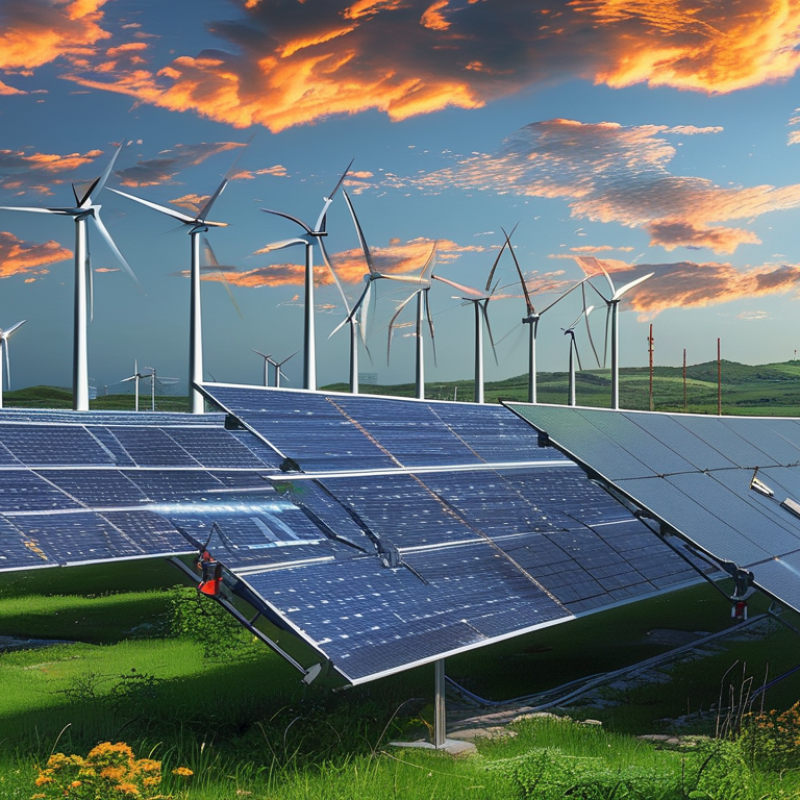
Hybrid power inverters have become a popular choice for energy efficiency. They combine renewable energy sources with traditional power sources. This technology maximizes energy use while minimizing waste. By utilizing solar panels or wind turbines alongside the grid, users can enjoy substantial savings.
The main advantage lies in their ability to store excess energy. When sunlight or wind generates surplus energy, hybrid inverters store it for later use. This feature ensures power availability during peak demand or outages. It’s remarkable how such systems can reduce reliance on fossil fuels, contributing to a greener environment. Such an impact should not be overlooked.
However, users must consider installation costs and ongoing maintenance. While the upfront investment can be high, the long-term benefits often outweigh these concerns. Some may find it challenging to navigate the complex technology. Familiarizing oneself with the system is essential for optimal performance. Striking a balance between renewable sources and traditional energy is key. Reflecting on these aspects can lead to better decisions regarding energy needs.
Key Factors to Consider When Choosing a Hybrid Power Inverter
When selecting a hybrid power inverter, several key factors come into play. The inverter's capacity is crucial. Assess how much power you need for your home or business. Look for an inverter that can handle your peak usage. This consideration ensures efficiency and prevents overload.
Efficiency ratings are another vital aspect. A higher efficiency means less energy waste. Check the inverter’s specifications for its conversion efficiency. This detail impacts your overall energy savings. Don’t forget to review the warranty and customer support options. Reliable support can save you time and money in the long run.
Installation requirements shouldn't be overlooked. Some inverters may need professional setup, while others are DIY-friendly. Consider your comfort level with installation tasks. You might also need to reflect on the inverter's compatibility with existing systems. These considerations shape the overall performance of your energy system. Ultimately, your choice should align with your specific energy goals and circumstances.
Why Choose a Hybrid Power Inverter for Your Energy Needs? - Key Factors to Consider When Choosing a Hybrid Power Inverter
| Feature | Description | Importance |
| Energy Efficiency | Hybrid inverters optimize energy conversion from solar panels to electricity, minimizing losses. | High |
| Battery Compatibility | Support for various battery types including lithium-ion and lead-acid. | Medium |
| Grid Connectivity | Ability to connect to the grid for energy selling or backup during outages. | High |
| Output Power Rating | Determines how much power can be supplied to your home or office. | High |
| Control Features | Advanced options for monitoring and managing power usage via apps or displays. | Medium |
| Warranty Period | Longer warranty periods can indicate better reliability and manufacturer confidence. | Medium |
| Installation Requirements | Understand the space and electrical requirements for proper installation. | Low |
| Cost | Evaluate overall costs including purchase, installation, and maintenance. | High |
Applications and Use Cases for Hybrid Power Inverters
Hybrid power inverters are versatile devices that cater to various energy needs. They blend renewable energy sources like solar and wind with traditional power grids. This combination is effective in both residential and commercial settings. For instance, homeowners can rely on solar energy during the day while still being connected to the grid for evening use.
Additionally, hybrid power inverters contribute to energy resilience in remote areas. These systems can power essential devices when traditional power lines are down. They offer backup solutions for emergencies, making them increasingly popular in places prone to outages. However, users must carefully consider the capacity and installation aspects to ensure optimal performance. Each situation varies, and mistakes can lead to inefficiencies or even damaged equipment. This highlights the need for professional installation and tailored solutions.
In agricultural applications, hybrid inverters can streamline operations. Farmers can utilize solar energy for irrigation systems, reducing reliance on fossil fuels. This practice not only cuts costs but also promotes sustainability. Yet, some may hesitate to invest due to initial costs and technological complexities. It’s essential to weigh the long-term benefits against upfront expenses and be open to learning as technology evolves.
Comparing Hybrid Power Inverters to Traditional Inverter Types
Hybrid power inverters have gained popularity for their flexibility in energy management. They combine the capabilities of traditional inverter types, like grid-tied and off-grid systems. A 2023 report from the International Energy Agency indicates that hybrid systems can increase energy efficiency by up to 25%. This is significant for homeowners looking to reduce electricity costs while maintaining reliability.
Traditional inverters often rely solely on grid power or battery systems. However, hybrid inverters seamlessly integrate both sources. This ensures that energy usage is optimized. According to a study by Energy Storage Association, homes equipped with hybrid inverters can store up to 50% more energy than those using traditional systems. This capability helps manage peak loads and maximizes the use of renewable resources.
Despite these advantages, there are challenges. Installation may require careful planning and advanced knowledge. Some users report difficulty in configuring settings for optimal performance. Moreover, initial costs can be higher. Nevertheless, the long-term savings often justify the investment. As more data becomes available, it is essential to reflect on how these systems evolve and adapt.