How to Choose the Best Stainless Steel Chains for Your Needs?
Choosing the right Stainless steel chains for your specific needs can be daunting. With many options available, it’s essential to understand the qualities of these materials. Stainless steel chains are known for their strength and durability. They resist corrosion, making them ideal for various applications, such as marine environments and outdoor use.
Consider the factors that affect your choice. Not all stainless steel chains are created equal. Pay attention to the type of stainless steel used. Different grades can impact strength and resistance to rust. Knowing the intended use of the chain is crucial. Will you use it for heavy lifting or aesthetic purposes? Also, think about the size and weight capacity required.
Reflect on your choices. Sometimes, the most marketed chains may not be the best fit. It’s easy to get swept up in branding. Take time to research options that truly meet your needs. Explore reviews and seek advice from experts. This will help ensure you make an informed decision when selecting stainless steel chains.
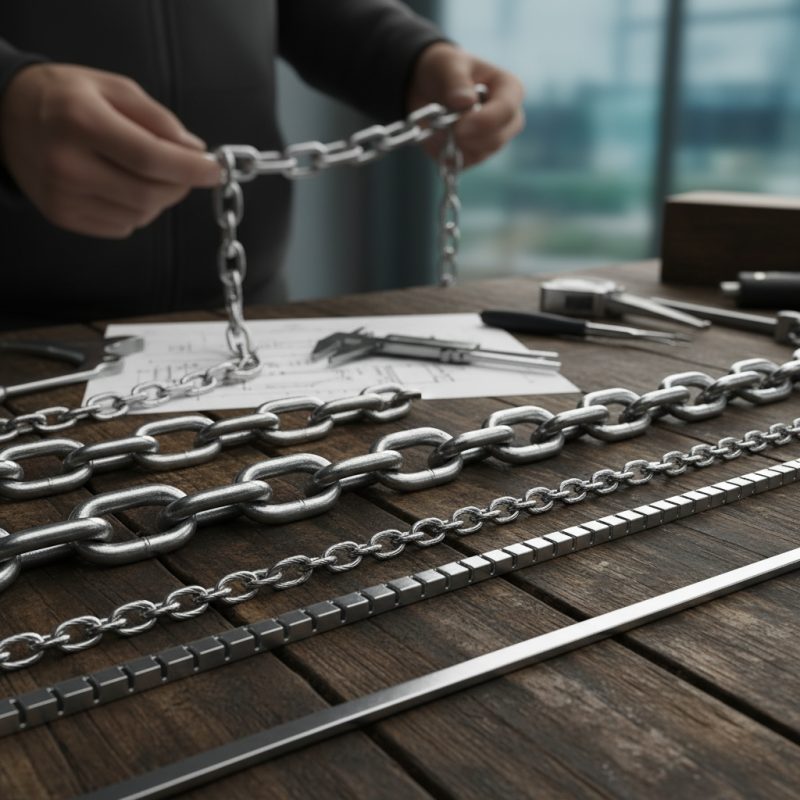
Understanding the Different Grades of Stainless Steel Chains
When selecting stainless steel chains, understanding the different grades is crucial. Stainless steel comes in various grades, each with unique properties. The most common grades are 304 and 316.
Grade 304 is widely used for its excellent corrosion resistance. It is suitable for many indoor applications. However, it may not withstand harsh environments.
On the other hand, grade 316 offers superior resistance to saltwater and other corrosive elements. This makes it ideal for marine applications or areas with high humidity. While 316 chains are more expensive, their longevity often outweighs the initial costs. Choosing the appropriate grade is essential for optimal performance.
Sometimes, users overlook the specifics of their environment. For instance, a chain used for outdoor applications should factor in exposure to various elements. This oversight can lead to premature failure. Evaluating the intended use and surrounding conditions before making a decision is vital. Ignoring this detail could result in costly replacements down the line.
Key Factors to Consider When Selecting Stainless Steel Chains
Selecting stainless steel chains requires careful consideration of several key factors. Firstly, the grade of stainless steel is critical. Various grades, like 304 and 316, offer different corrosion resistance levels. For instance, 316 stainless steel is known for its superior resistance to chlorides and marine environments. Many industry reports suggest that using the right grade can extend the lifespan of the chain by up to 50%.
Next, tensile strength is an essential aspect of selection. This relates to the chain's ability to withstand loads without breaking. According to the International Organization for Standardization (ISO), the tensile strength of stainless steel chains can vary widely. Chains with higher tensile ratings enable them to perform effectively in heavy-duty applications. Ignoring this factor can lead to premature failure.
Finally, the chain's finish matters. A polished finish can enhance both aesthetics and corrosion resistance. However, it may require regular maintenance to maintain its shine. Alternatively, a brushed finish is low maintenance but may allow for more visible wear over time. Each choice carries its pros and cons, and weighing them can lead to a better selection suited to specific needs.
How to Choose the Best Stainless Steel Chains for Your Needs?
| Key Factor | Description | Importance Level |
| Material Grade | Choose stainless steel grades (e.g., 304, 316) based on corrosion resistance requirements. | High |
| Chain Size | Select the correct diameter and length based on load capacity. | Medium |
| Working Load Limit | Determine the maximum load the chain can handle safely. | High |
| Finish | Consider finishes (e.g., polished, brushed) for aesthetic and functional purposes. | Low |
| Application | Match the chain type to its intended application, such as lifting, towing, or decorative use. | High |
| Environmental Conditions | Evaluate the exposure to elements such as water and chemicals that may affect durability. | Medium |
Comparative Analysis of Stainless Steel Chain Strength and Durability
When selecting stainless steel chains, understanding strength and durability is crucial. Stainless steel comes in various grades, each offering unique features. For instance, 304 stainless steel is known for its corrosion resistance, while 316 offers additional protection in marine environments. Knowing the environment your chain will face can guide your choice.
Tips: Look for chains with high tensile strength ratings. This indicates how much force the chain can withstand before breaking. Consider factors like load distribution, as uneven loads can weaken chains over time. Regular maintenance is essential, even for durable chains, to ensure longevity.
Remember that not all stainless steel chains are equal. Pay attention to the thickness of the links and the welding quality. A poorly welded chain may fail even if made from high-quality steel. Reflect on your specific needs; sometimes, a more robust chain isn't necessary. Weighing factors like weight, flexibility, and intended use can reveal the best option.
Common Applications of Stainless Steel Chains in Various Industries
Stainless steel chains are widely used across various industries due to their durability and resistance to corrosion. In the construction sector, they play a vital role in lifting heavy materials. This ensures safety and efficiency on job sites. Different grades of stainless steel offer varying strengths for different applications.
In the food industry, these chains are essential because of hygiene standards. They are commonly found in conveyor systems, helping to move products without contamination. Regular maintenance is key to ensuring their longevity. Neglect can lead to rust, which can compromise both safety and functionality.
Another important application is in marine environments where saltwater exposure is a factor. Stainless steel chains must be selected carefully to combat these conditions. Sometimes, users underestimate the need for proper installation techniques. Without them, even the best chains can fail under stress. This highlights the importance of understanding both the product and its context.
Maintenance Tips for Ensuring Longevity of Stainless Steel Chains
Maintaining stainless steel chains is essential for their longevity. Regular cleaning is crucial. A simple soap and water solution can remove dirt and grime. Use a soft cloth to wipe them down. This helps prevent rust or corrosion from developing. Avoid harsh chemicals that could damage the finish.
Inspect your chains regularly for signs of wear or damage. Look for links that may be loosening. Tightening these links can prolong the life of the chain. Lubrication is key in keeping the moving parts functioning smoothly. A few drops of appropriate lubricant can go a long way. Just avoid over-lubricating, as this can attract dirt.
When not in use, store your chains in a dry place. Humidity can cause them to tarnish. Consider using a protective cover if they are stored in a garage or shed. Developing a routine for maintenance may feel tedious. However, these steps can make a significant difference over time.
Stainless Steel Chain Durability Ratings
This chart displays the durability ratings of different types of stainless steel chains based on a scale of 1 to 10, helping you choose the best option for your needs.