How to Choose the Best Rail Cutting Machines for Your Needs?
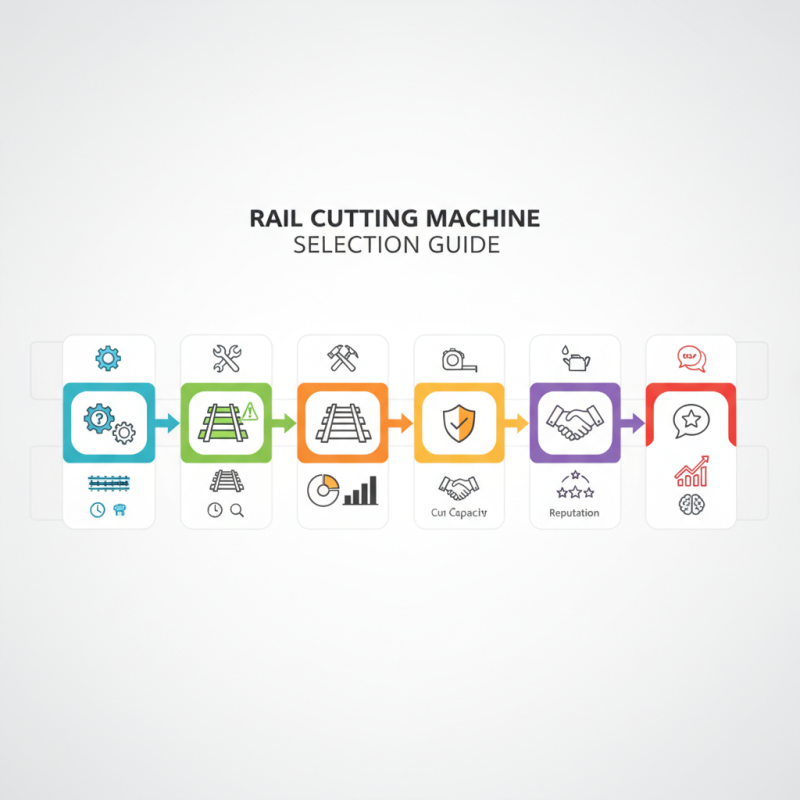
Choosing the best Rail Cutting Machines for your needs can be challenging. With various options available, it’s essential to consider specific factors. Each project demands unique specifications. Efficiency and precision are vital when selecting these tools. The right rail cutting machine can enhance productivity and reduce waste.
Look for machines that offer reliability and ease of use. Consider the size and type of rails you typically work with. Features such as blade type and cutting capacity play a significant role. Make sure to assess the machine's durability and maintenance requirements. Finding a vendor with a solid reputation can also help in making a wise decision.
Do not overlook customer reviews and industry feedback. User experiences provide insights into a machine's performance. This information can be invaluable as you weigh your options. Ultimately, the right rail cutting machine should meet your specific needs and improve your operational efficiency.
Understanding Different Types of Rail Cutting Machines Available
When considering rail cutting machines, it's crucial to understand the various types available. One common type is the plasma cutter. This machine uses a high-temperature plasma arc to melt through metal. It is known for speed and precision, making it ideal for complex cuts. While effective, operators must be cautious about heat distortion.
Another type is the oxy-fuel cutting machine. This option utilizes oxygen and a fuel gas for combustion. It can cut thicker materials compared to plasma machines. However, the process can be slower and requires more skill to operate. Users should weigh their cutting needs against the expertise available.
Band saws are also popular for rail cutting. They provide clean cuts and are suitable for various rail sizes. Yet, they can be less flexible for intricate patterns. Each machine has its pros and cons, and sometimes a hybrid approach works best. Understanding these distinctions helps in making the most informed choice.
Key Features to Consider When Selecting a Rail Cutting Machine
When selecting a rail cutting machine, several key features deserve your attention. First, consider the cutting capacity. Machines can vary widely, with some able to cut through more robust materials than others. According to industry standards, a good machine should handle steel rails of up to 60 kg/m without compromising performance. Look for a machine that meets or exceeds these specifications.
Another vital aspect is portability. Many jobs require moving the machine frequently. Choose a model that is lightweight and has integrated lifting handles. This can improve efficiency on job sites. Safety features are essential as well. Ensure that the machine includes protective guards and emergency stop buttons to minimize risks during operation.
Tips: Always check user reviews and expert recommendations before making a purchase. Look for machines with a track record of reliability. Frequent maintenance can extend the lifespan of your equipment, so invest in a machine that is easy to maintain. Prioritize user-friendly controls, as these can significantly enhance productivity on-site.
Assessing the Material and Thickness for Optimal Cutting Performance
When selecting rail cutting machines, it's crucial to assess the material and thickness of the materials you'll be working with. Different metals require specific cutting approaches to achieve optimal performance. For instance, stainless steel typically demands a more powerful machine due to its hardness. According to industry reports, cutting stainless steel over 6 mm thick might require a machine with at least 10,000 RPM to ensure a clean cut.
Thickness plays a key role in determining the right machinery. Thicker materials often lead to increased wear on the cutting tools. It's essential to assess the cutting depth needed as well. An incorrect choice here can lead to inefficiencies and potential safety hazards. Industry experts recommend ensuring your machine can handle a thickness margin of at least 20% beyond your typical requirement for flexibility in various projects.
Using a machine that can't manage specific material properties often results in poor cuts. Such mistakes can produce jagged edges or excessive heat, both of which compromise the material's integrity. Accurate cutting requires an understanding of both your materials and the capabilities of your equipment. Engaging with professionals or consulting user manuals can offer additional insights, but don't overlook real job site evaluations. Practical experience often reveals nuances that theory cannot cover.
Evaluating Budget and Cost-Effectiveness of Rail Cutting Machines
When selecting rail cutting machines, budget and cost-effectiveness stand out. Many buyers feel pressured to choose equipment based solely on price. However, a thoughtful evaluation of features and longevity can lead to better financial decisions. Low-priced machines may save money initially but could incur higher costs over time due to frequent repairs or inefficient cutting.
Consider durability and maintenance costs alongside the initial price tag. A reliable machine may require a higher upfront investment but can save substantial money in the long run. Regular maintenance can extend its lifespan, reducing the need for replacements. It’s crucial to analyze long-term expenses effectively.
Don't forget about training costs. New employees might need time to adapt to complex machinery. This learning curve can lead to lost productivity. Investing in user-friendly machines can mitigate this issue. And remember, the right choices today can shape your operational efficiency for years to come. Balancing budget with performance sometimes feels overwhelming but careful scrutiny pays off.
How to Choose the Best Rail Cutting Machines for Your Needs?
| Machine Type | Cutting Capacity (mm) | Power (kW) | Approx. Cost ($) | Weight (kg) | Portability |
| Hydraulic Rail Cutter | 40 | 3 | 1500 | 150 | Moderate |
| Electric Rail Saw | 30 | 2.2 | 1200 | 75 | High |
| Portable Gas Cutter | 50 | 4 | 2000 | 100 | Very High |
| Manual Rail Cutter | 25 | N/A | 300 | 10 | Very High |
| Plasma Rail Cutter | 60 | 5 | 5000 | 120 | Moderate |
Maintenance Tips for Longevity and Efficiency of Cutting Equipment
Regular maintenance of rail cutting machines ensures longevity and efficiency. According to industry reports, equipment failure can lead to costly downtimes, averaging $200,000 per incident. Frequent inspections are a must. Check blades for wear and tear. Dull blades can slow down operation and lead to inaccuracies. Operators should replace blades when cutting becomes inconsistent.
Proper lubrication is critical for cutting machines. Regular oiling reduces friction and heat, which can damage internal components. Reports suggest that insufficient lubrication can reduce tool life by up to 50%. Keeping a maintenance log helps track service schedules and repairs. Note any unusual sounds during operation to catch issues early.
Cleaning machines after use is also significant. Debris can affect performance and lead to rust. Surfaces should be wiped down, and internal parts cleaned to avoid buildup. Annual professional maintenance checks are advisable. Investing in regular upkeep translates to better performance and extended equipment life. Reflecting on maintenance practices can reveal weaknesses in your operations.
Comparison of Rail Cutting Machine Types