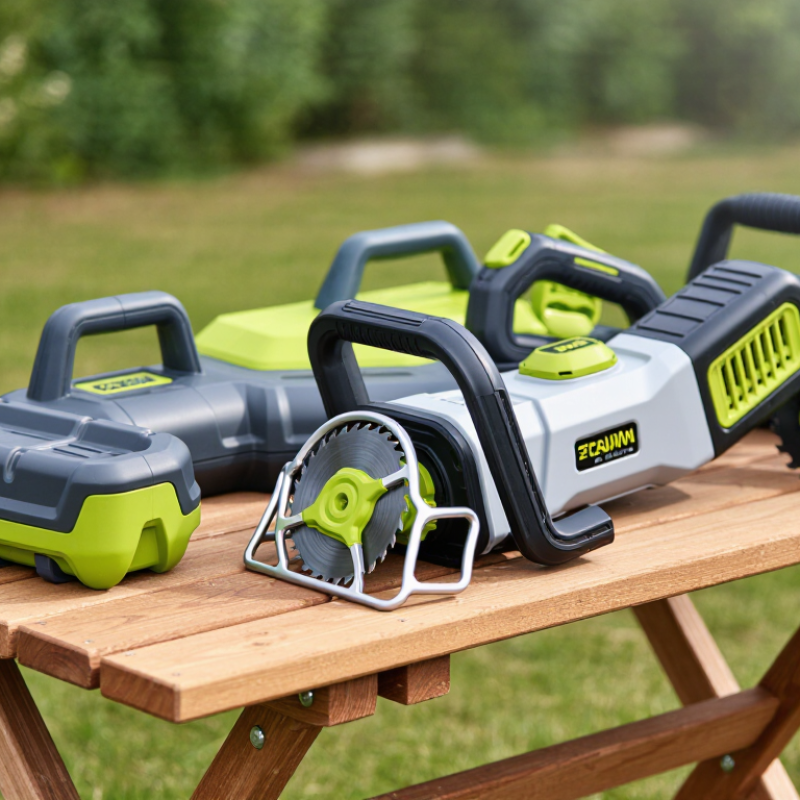
China Best Wireless Grass Cutter Manufacturers for Global Buyers

Choosing a reliable partner among China’s Wireless Grass Cutter manufacturers takes more than comparing prices. Global buyers also need to assess product design, production capacity, communication, and after-sales support. A Wireless Grass Cutter may look simple, but battery performance, cutting width, handle balance, and guard quality affect its everyday usability. Small details matter.

This guide introduces practical points for evaluating manufacturers and their product ranges. Buyers can look for clear specifications, sample-testing options, consistent quality checks, and responsive answers to technical questions. Ask how the supplier manages replacement parts and handles production changes. These details can reveal more than a polished catalogue. Not every model suits every job.

The right choice depends on where and how the tool will be used. A compact cutter for garden edges has different demands from one intended for larger grounds. Buyers should compare battery runtime under realistic conditions, not rely on a single headline figure. I would still verify important claims with samples or written records; descriptions alone are not proof. No supplier is perfect, and expectations may need adjustment after testing. By weighing evidence, intended use, and support together, global buyers can make a more informed shortlist and begin discussions with manufacturers on clearer terms.

China Best Wireless Grass Cutter Manufacturers for Global Buyers

Understanding Wireless Grass Cutters and Their Key Features

A wireless grass cutter runs on a rechargeable battery, so it can reach garden edges without a power cord. Battery voltage and capacity affect cutting strength and working time, but neither figure tells the whole story. Dense grass, damp patches, and frequent stops can drain a battery faster. Check whether the charger and battery are included, and whether replacement batteries are easy to obtain. Small details matter.

Cutting width influences how much ground the tool covers with each pass. A narrow head can be easier to guide around flower beds, while a wider one may suit open lawns. Many models use nylon line for ordinary grass and light edging; some accept blades for tougher growth, subject to the manufacturer’s instructions. Weight and balance deserve a hands-on check. A tool that feels manageable for five minutes may tire the arms during a longer session.

Useful features include an adjustable shaft, a guard that deflects debris, and a clear battery-level indicator. Noise and vibration can vary, so published specifications are worth comparing, though they may not reflect every working condition. Runtime estimates also depend on grass and technique. It is easy to focus on maximum power and overlook comfort, service support, or charging time. That trade-off is worth considering.

China’s Wireless Grass Cutter Manufacturing Landscape

China’s wireless grass cutter manufacturing landscape combines motor assembly, battery-pack sourcing, plastic molding, and metalworking in a dense supplier network. That proximity can shorten sampling cycles and make changes to handles, guards, or cutting heads easier to test. Factories differ, though. Some focus on high-volume production, while others offer smaller runs and customization. For buyers, the key question is not simply where a tool is made, but how each production step is controlled. Ask for clear specifications on motor load, battery capacity, charging time, cutting width, and replacement parts.

On a sample unit, check its balance with the battery fitted, grip comfort, guard coverage, and line-feed consistency. Request repeated run tests, vibration checks, and inspection records from ordinary production, not just a polished demonstration. Samples can mislead. Battery performance may change with grass density, temperature, and operating pace, so runtime figures need context. Packaging matters too: a loose spare spool or unclear manual can create avoidable service questions. Precise answers about tolerances and handling faulty units are more useful than broad promises. Even then, no checklist removes every risk. Small details get missed.

How to Evaluate Chinese Grass Cutter Manufacturers

Evaluate a Chinese cordless grass-cutter manufacturer through evidence, not catalog claims. Request motor and battery specifications, rated voltage, blade options, and continuous-run test conditions. Ask whether test records identify grass type, cutting width, temperature, and runtime. Details matter. A 40-minute claim means little without load conditions.

Battery sourcing deserves close review. BloombergNEF’s 2024 Battery Price Survey reported an average lithium-ion pack price of $115 per kWh, 20% lower than in 2023. This is a broad market benchmark, not a quotation or quality guarantee for a handheld tool. Ask for cell traceability, protection-circuit details, cycle-test results, and temperature safeguards. Request current safety and electrical test reports, then verify their model numbers and issuing laboratories.

Inspect production controls and after-sales records. Arrange a sample test on a measured patch of dry, dense grass. Record runtime, charge time, vibration, and cutting finish under consistent conditions. Review dated defect and warranty-turnaround records, not promises. One limitation: a smaller supplier may lack long-term field data. Treat that uncertainty openly, and consider a pilot order before scaling.

China Best Wireless Grass Cutter Manufacturers for Global Buyers - How to Evaluate Chinese Grass Cutter Manufacturers

Evaluation Dimension What to Check Evidence to Request How to Compare Suppliers
Business and Factory Verification Confirm the supplier’s registered business scope, manufacturing location, production facilities, and whether production is in-house or subcontracted. Business registration details, factory address, recent production-area photos or videos, and an audit or live factory tour. Check that the legal entity, factory address, quotation, and export documents are consistent. Distinguish a manufacturer from a trading company before comparing offers.
Product Specification Review the cutter type, motor design, rated voltage, battery capacity, cutting width, compatible cutting attachments, weight, and intended duty cycle. Detailed datasheet, user manual, product drawings, battery and charger specifications, and a sample unit for evaluation. Compare products with the same configuration. Confirm whether stated weight includes the battery and whether the quoted package includes the battery, charger, and cutting accessories.
Battery Performance and Compatibility Assess battery capacity, runtime claims, charging time, cell configuration, battery-management protections, and availability of replacement batteries. Battery datasheet, runtime test conditions, charger specifications, battery protection details, and replacement-part information. Ask suppliers to state the grass type, workload, attachment, and operating conditions used for runtime tests. Treat runtime figures without test conditions as difficult to compare.
Safety and Market Compliance Identify the safety, electromagnetic compatibility, chemical, labeling, and documentation requirements for each destination market and product configuration. Applicable declarations, test reports, product labels, manuals, and documentation matching the exact model and accessories being purchased. Verify documents with the issuing body or testing organization where appropriate. A certificate for a different model or configuration may not establish compliance for the offered product.
Lithium Battery Transport Documents For products shipped with lithium batteries, check that the battery type and shipping configuration are supported by current transport documentation. UN 38.3 test summary for the applicable battery type, battery specifications, and requested transport documents from the shipping provider. Confirm that the battery model in the documents matches the battery supplied. Coordinate packaging and transport requirements with the freight forwarder.
Quality Control and Product Consistency Review incoming-material checks, in-process inspections, final testing, traceability, and procedures for handling defects. Quality-control workflow, sample inspection records, test checklist, defect-handling procedure, and batch or serial-number system. Agree on written acceptance criteria before production. Consider a pre-shipment inspection against the approved sample and purchase specifications.
Sample Testing and Durability Test handling, balance, cutting performance, vibration, noise, heat buildup, charging, and operation with the intended accessories. Production-representative samples, test instructions, and records for any performance or durability claims. Use the same test conditions for each shortlisted product. Include realistic grass conditions and the operating pattern expected in the target market.
Production Capacity and Lead Time Assess available production capacity, seasonal workload, component sourcing, sample lead time, and mass-production schedule. Production plan, estimated monthly capacity, component lead-time information, and a written schedule for samples and orders. Compare the supplier’s schedule with your launch and replenishment dates. Confirm whether lead time begins after deposit, specification approval, or packaging approval.
Customization and Packaging Clarify available options for voltage, accessories, manuals, labels, colors, carton artwork, and retail or bulk packaging. Written customization scope, artwork approval process, packaging dimensions, product and carton labels, and any tooling or setup charges. Confirm which changes affect cost, minimum order quantity, and lead time. Approve final artwork and product configuration before production.
Export Experience and Shipping Evaluate experience preparing export paperwork, battery-related shipping information, protective packaging, and shipment coordination. Sample commercial invoice and packing list formats, carton specifications, shipping options, and details of the party responsible for each export task. Request a written quotation that identifies the trade term, destination, included costs, shipment method, and responsibility for customs clearance.
Warranty and After-Sales Support Review warranty coverage, exclusions, spare-parts availability, response procedures, and support for troubleshooting or returns. Written warranty terms, spare-parts list, service instructions, and a process for reporting and resolving quality issues. Compare coverage by component and time period. Confirm who pays for replacement parts, freight, and labor, and how claims are documented.
Commercial Terms and Total Cost Compare unit price, minimum order quantity, payment schedule, sample charges, packaging costs, spare parts, and inspection costs. Itemized quotation, payment terms, order specifications, and written confirmation of included accessories and services. Evaluate landed cost and order risk rather than unit price alone. Make sure the quotation describes the exact product configuration and agreed acceptance criteria.

Buyer note: Requirements vary by destination market, product design, battery configuration, and shipping method. Verify applicable rules and supporting documents for the exact model before placing a production order.

Quality Standards and Certifications for Global Markets

For global buyers, quality checks should begin with the exact cutter model and its intended market. Ask manufacturers for current test reports and conformity documents, not just a logo on a carton. Requirements may differ across regions and product configurations. A battery, charger, or radio component change can affect the evidence needed.

Paperwork matters. For European sales, review applicable conformity records and the supporting technical file. For other destinations, confirm local electrical safety, electromagnetic compatibility, and chemical substance requirements. ISO 9001 can indicate a documented quality management system, but it does not certify a grass cutter’s performance. Check that certificates and reports name the correct model and issuing laboratory.

Look beyond certificates. Request records for incoming battery cells, motor inspections, and final functional tests. A practical sample check can include cutting damp grass, inspecting the guard, and measuring noise and vibration under repeatable conditions. Ask how defects are tracked by production batch and how corrective actions are verified. Check the details. Documents can be incomplete, and a polished report cannot reveal every weakness. Buyers should compare claims with physical samples and retain agreed specifications in purchase records.

IP Water-Ingress Ratings Relevant to Wireless Grass Cutters

IEC 60529 defines the water-ingress protection indicated by the second digit of an IP code. The chart shows the code number, not a performance score.

How to read: “X” means the enclosure’s dust-protection rating is not specified. The appropriate IP rating depends on the product design and intended use; an IP rating alone does not establish compliance with all market requirements.

Sourcing, Customization, and Export Considerations for Buyers

When sourcing a wireless grass cutter, compare more than the quoted unit price. Ask for the battery chemistry, rated voltage, usable capacity, cutting width, motor type, and replacement-part lead times. Request a sample and test it on the grass buyers actually face: dry lawn edges, damp growth, and weeds near fences. Small details matter. A comfortable handle can still feel tiring after twenty minutes.

Customization should be specific. Confirm whether the supplier can adjust handle length, guards, cutting heads, labels, and carton inserts, then approve a production sample before ordering. The IEA’s Global Critical Minerals Outlook 2024 identifies China as the leading refiner for 19 of 20 strategic minerals, with an average share of about 70%. That is useful supply-chain context, not proof of a cutter’s cell origin. Ask for traceable battery documentation and consistent specifications across samples and bulk units.

For export, agree on Incoterms, carton dimensions, spare-part packing, and the destination market’s documentation before production. For lithium batteries, request the applicable UN 38.3 test summary and confirm transport arrangements with the carrier. Check which electrical and product-safety requirements apply in the target market; requirements can differ. A weak point in many orders is the manual: unclear assembly steps create avoidable support requests. Review a translated draft, not just the machine. I would still leave time for one final packaging check. It is easy to overlook.