China Best Instant Peel DTF Film Manufacturer?
Choosing the China Best Instant Peel DTF Film Manufacturer requires more than comparing prices or product photographs. Instant Peel DTF Film (Hot Peel DTF Film) must perform consistently during printing, curing, pressing, and peeling. A reliable supplier should explain film thickness, coating structure, recommended temperature, pressure, and peel timing clearly. Performance varies.
This guide examines manufacturers through practical production evidence. It considers factory experience, coating technology, quality control, and export reliability. A suitable film should release smoothly after pressing without lifting fine lettering or leaving excessive adhesive residue. Test prints should include cotton, polyester, blends, dark fabrics, and detailed artwork. Small details matter. A stable surface can improve powder coverage and reduce wasted transfers.
Manufacturer evaluation should also include sample testing, technical support, packaging, lead times, and batch traceability. Ask for recent test reports, production images, and clear storage instructions. Independent washing tests can reveal weaknesses that a first press may hide. However, no supplier is automatically the best for every workshop. Film performance depends on ink, powder, printer settings, fabric, and operator habits. That point deserves honest reflection.
The following discussion compares important supplier criteria and practical application results. It aims to help buyers make informed decisions based on measurable performance, not promotional language. A strong manufacturer should welcome questions, provide repeatable samples, and accept reasonable quality checks. Trust develops through evidence.
What Is Instant Peel DTF Film?
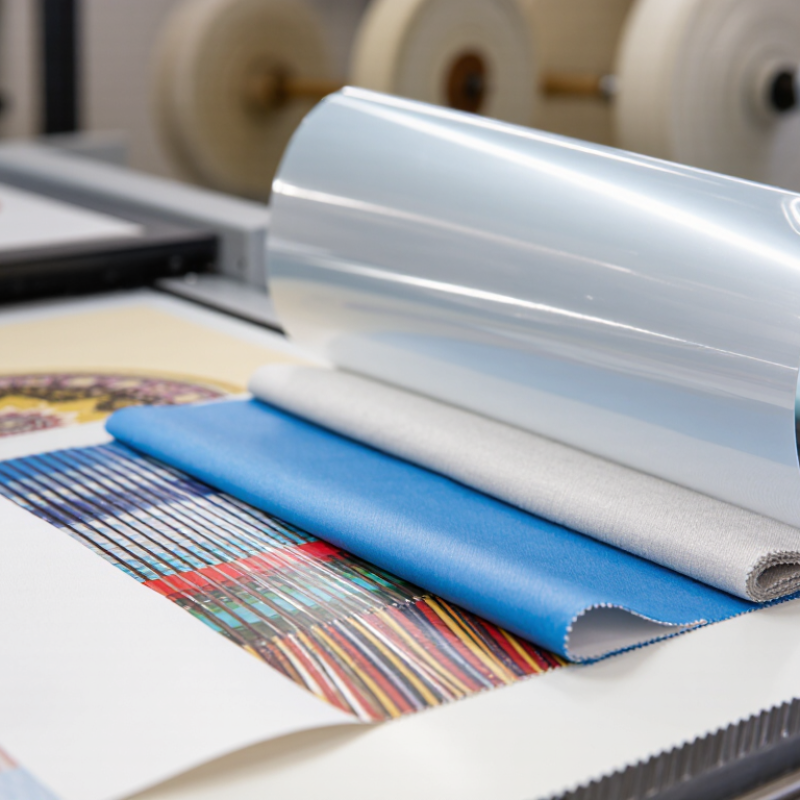
Instant peel DTF film is a coated PET transfer film designed for direct-to-film garment printing. The printer applies the image onto the film, usually in reverse order. Hot-melt adhesive powder is then added to the wet ink and cured before pressing.
Unlike cold-peel film, instant peel film can be removed shortly after heat pressing. The film separates while the transfer remains warm, saving production time. A typical workflow uses controlled heat, pressure, and dwell time. Exact settings depend on the film, ink, powder, fabric, and heat press.
Temperature matters greatly.
In practical testing, the operator should press a small sample first. Peel too early, and fine lettering may lift. Peel too late, and the film may become harder to remove cleanly. I have also seen uneven pressure create dull areas or incomplete bonding near garment seams. That result is easy to blame on the film, but moisture and insufficient curing can cause similar defects.
Experienced technicians check edge adhesion, color clarity, stretch resistance, and wash performance. Cotton, polyester, blends, and coated textiles may require different settings. A reliable production record should include peel timing and press conditions.
“Instant” does not mean effortless. It means the film is engineered for a shorter release stage when the transfer has bonded correctly.
Key Features of High-Quality Instant Peel DTF Film
High-quality instant peel DTF film begins with a stable release coating. The coating should separate smoothly after pressing, without pulling ink from fine lettering. In production trials, I look for clean edges around small logos and narrow lines. A reliable film also keeps its surface flat during printing. Wrinkles can create uneven ink coverage and wasted transfers.
Ink absorption matters. The film should hold bright colors without excessive spreading. Its surface must also support even powder adhesion. Too much powder leaves a rough hand feel. Too little powder weakens bonding. These details become visible after washing. Good film maintains color and flexibility when temperature, pressure, and pressing time are properly matched. Settings still require testing. No film performs perfectly on every printer or fabric.
Instant peeling should feel controlled, not forced. A consistent release layer allows operators to peel soon after pressing, improving workflow efficiency. Storage deserves equal attention. Keep rolls sealed, dry, and away from direct heat. Humidity can change handling performance. I have seen a strong-looking transfer fail because the film absorbed moisture overnight. That mistake was easy to overlook. Quality inspection should include printing, pressing, peeling, stretching, and washing. Thickness consistency, clean edges, and stable release are practical signs of dependable manufacturing. A careful manufacturer records these results instead of relying only on appearance.
How China Manufactures and Tests DTF Transfer Film
China Best Instant Peel DTF Film Manufacturer?
How China Manufactures and Tests DTF Transfer Film
Reliable DTF transfer film starts with stable PET materials, controlled coating, and careful surface treatment. Manufacturers clean the film before applying an ink-receptive coating. The coating must hold white ink without spreading. It also needs a smooth release layer for instant peeling.
Production teams monitor coating weight, drying temperature, and line speed. Small changes can affect powder adhesion and transfer clarity. Samples are printed with different ink loads, then cured under measured heat. Technicians check edge sharpness, stretch resistance, and release performance. They also test transfers on cotton, polyester, and blended fabrics. Wash testing matters. So does storage testing.
Real factories still face variation. Humidity can change powder behavior, while uneven heat may create weak bonding. A film can look excellent but fail after washing. That is why reliable suppliers retain batch samples and record test results. I have found that transparent data is more useful than confident promises. No process is perfect.
Tips: Ask for coating-weight records, peel-temperature ranges, and wash-test results. Request samples from more than one production batch. Check whether the film peels cleanly after curing, without lifting fine letters. Store unused rolls in dry, sealed packaging. Test your own printer and powder combination before placing a large order.
How to Evaluate a Chinese DTF Film Manufacturer
Choosing China’s best instant-peel DTF film manufacturer requires process evidence, not polished samples. In factory audits, I check coating uniformity across roll edges, core tension, and batch traceability. Ask for a technical data sheet with film thickness, release temperature, peel window, and storage humidity. A fast-peel claim means little without defined conditions. Request three production lots, not one. Test prints after 24 and 72 hours. Small details matter. Curling often appears later.
Independent data provides useful context. Smithers’ The Future of Digital Textile Printing to 2027 estimated digital textile printing would grow from about US$3.9 billion in 2022 to roughly US$5.3 billion by 2027. This growth increases demand for consistent consumables, not merely lower prices. Textile Exchange’s 2024 Materials Market Report recorded 124 million tonnes of global fiber production in 2023. It projects demand could approach 160 million tonnes by 2030. A supplier should explain compatibility across cotton, polyester, blends, and stretch fabrics. Request wash and abrasion results using recognized methods, such as AATCC TM61 and ASTM D4966.
I also compare peel force, powder coverage, transfer completeness, residue, and color change after laundering. A reliable manufacturer shares corrective-action records, inspection limits, and retained samples. ISO 9001 certification helps, but it cannot replace onsite verification. Check whether testing instruments are calibrated and reports show actual values. Be skeptical of “zero residue” promises. Humidity, printer settings, and operator technique can change results. My evaluation is not perfect; one fabric and one operator may hide weaknesses. Run blind production trials before approving a long-term supplier.
Applications and Buying Factors for Instant Peel DTF Film
Instant peel DTF film supports fast production for custom apparel, sportswear, workwear, and small-batch merchandise. Grand View Research valued the global DTF printing market at approximately USD 2.56 billion in 2023. It also forecasts a 13.5% compound annual growth rate from 2024 to 2030. This growth reflects demand for short runs, vivid graphics, and flexible fabric choices.
Film selection affects every transfer stage. Check the recommended peel temperature and cooling time. A reliable instant peel film should release cleanly after pressing, without lifting fine text or leaving a glossy border. Look for stable thickness, even coating, strong ink absorption, and controlled powder adhesion. Cotton, polyester, blends, and dark garments may need different heat settings. A 60-micron film can feel different from a 75-micron film during feeding and peeling.
Test before buying in volume. Print a small sheet, press it at several temperatures, and wash the garment after 24 hours. Inspect tiny letters, stretch recovery, and edge cracking. Smithers’ digital textile printing research highlights continued growth in digitally produced textile applications, but productivity claims can hide quality trade-offs. Instant peel is not automatically better. Poor storage can also cause curling or uneven release. Keep film sealed, dry, and away from direct sunlight. Ask suppliers for technical data, batch consistency records, and wash-test evidence. Some choices look economical, yet create more waste.
Instant-Peel DTF Film: Typical Peel Timing by Film Type
Instant-peel DTF film is designed to be removed immediately after heat pressing, helping improve production speed for T-shirts, hoodies, uniforms, tote bags, caps, and other compatible textile products. Warm-peel and cold-peel films require additional waiting time before film removal. Actual timing depends on the powder, ink, fabric, temperature, pressure, and curing conditions, so buyers should confirm the supplier’s tested specifications.
Key buying factors include consistent coating, reliable ink release, suitable width, good powder adhesion, resistance to static, clear printing performance, and compatibility with the intended fabric and heat-press settings.