What is a Chain Conveyor and How Does it Work?
A chain conveyor is an essential piece of machinery in various industries. It transports heavy materials seamlessly over long distances. Typically made of linked metal parts, its design ensures durability and efficiency.
Understanding how a chain conveyor works is crucial. The links move continuously around a loop, powered by an electric motor. The consistent movement allows for a steady flow of goods, which increases productivity. However, maintenance is often overlooked. Regular checks can prevent breakdowns and extend the conveyor's lifespan.
Despite its advantages, there are challenges. Misalignments or chain wear can cause issues. Operators must be attentive and proactive. This approach helps maintain the system's reliability. Overall, a chain conveyor, when properly managed, can significantly enhance operational efficiency in manufacturing and logistics.
What is a Chain Conveyor?
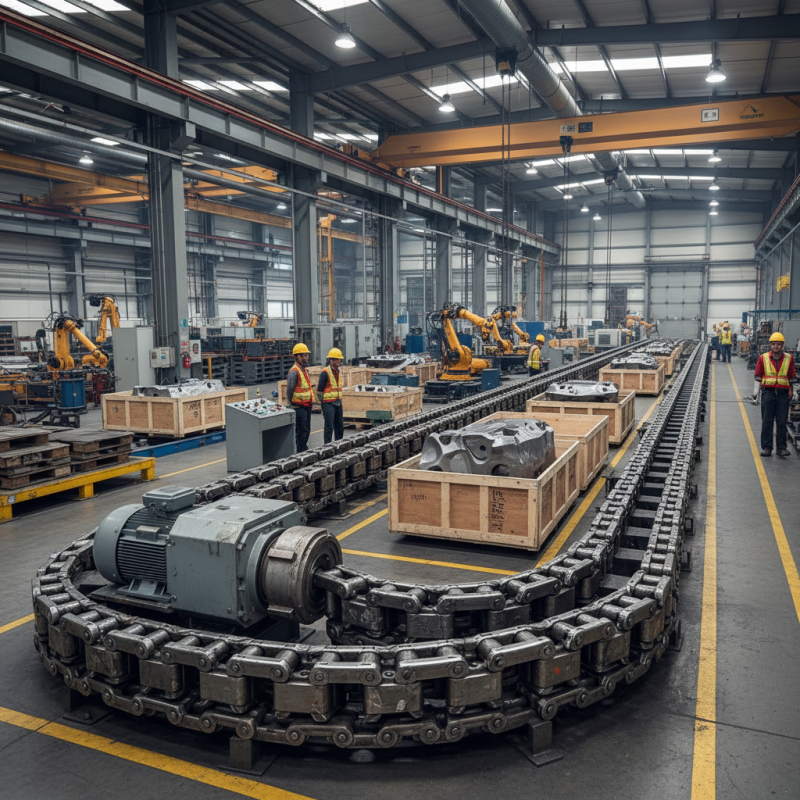
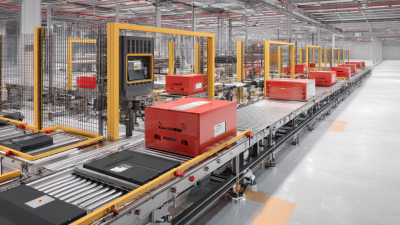
A chain conveyor is a mechanical device designed for material handling. It employs an endless loop of linked chains to move products along a designated path. Commonly used in manufacturing and warehousing, it offers efficient and reliable transportation of goods. According to industry reports, chain conveyors can significantly improve operational efficiency by up to 25% in certain applications.
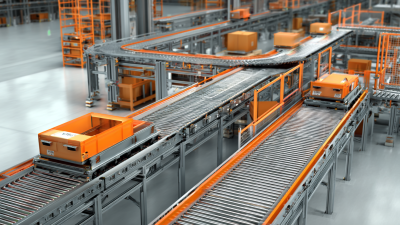
Chain conveyors are notably versatile. They can handle various loads, from heavy pallets to lighter items. Typical configurations include horizontal, inclined, and conveyor turns. Their design allows for easy integration into existing production lines. However, potential issues such as wear and tear on the chains can arise. Regular maintenance is crucial to ensure longevity and optimal performance. Predictive maintenance, as highlighted in recent studies, can reduce breakdowns by 30%.
Despite their advantages, implementing a chain conveyor system can be complex. Factors like layout design and load requirements must be carefully evaluated. An ill-fitted system may lead to inefficiencies or increased operational costs. Industry leaders frequently emphasize the importance of a tailored approach. Professionals recommend detailed assessments before installation to avoid these pitfalls.
Chain Conveyor Usage in Different Industries
Key Components of a Chain Conveyor System
A chain conveyor is a versatile system used in various industries for material handling. It typically consists of several key components that work together to move products efficiently. The main components include the chain itself, sprockets, frame, and support elements. The chain is built from durable materials to withstand heavy loads and harsh environments. Reports indicate that the global conveyor system market is projected to reach $8.59 billion by 2025, highlighting the growing reliance on these systems.
Sprockets play a crucial role in the movement of the chain. They connect to the drive motor and provide the necessary power to propel the chain. The frame holds all parts together, supporting the weight of the materials being transported. A good frame should be robust yet lightweight to optimize energy usage. Regular maintenance of these components is essential for sustained operation. If neglected, this can lead to decreased efficiency and increased downtime.
**Tip:** Always inspect the chain for wear and tear. Replacing worn components promptly can save costs in the long run.
Integrated support elements, such as guides and idlers, enhance the system's overall performance. These components help maintain the chain's alignment and tension, ensuring smoother operations. The right configuration can minimize friction and extend the lifespan of the conveyor. Sometimes, operations may encounter flaws in design or installation. Continuous evaluation is necessary to improve system reliability.
How Chain Conveyors Operate Mechanically
Chain conveyors are crucial in various industries for transporting materials efficiently. They consist of interconnected chains that move along a path, driven by a motor. This design allows for a steady flow of products, making them ideal for heavy-duty applications.
Mechanically, a chain conveyor operates through a series of rollers and links. As the motor turns the chain, it pulls the connected links. This generates smooth movement. Each link is designed to withstand substantial weight. They can carry items of various sizes and shapes. However, maintenance is key. A worn chain can cause delays and increase costs. Regular inspections can prevent these issues.
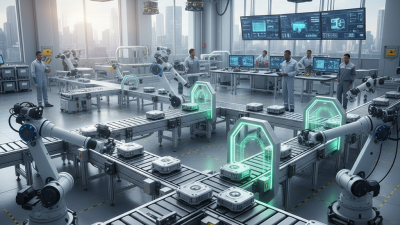
Incorporating sensors can enhance functionality. They monitor the system's performance in real time. Yet, they also add complexity. A malfunctioning sensor can mislead operators. Operators must be vigilant and responsive to errors. Balancing innovation with simplicity is essential for effective operation. Observations from the field often reveal overlooked maintenance tasks. This can hinder the overall efficiency of chain conveyors.
Applications of Chain Conveyors in Various Industries
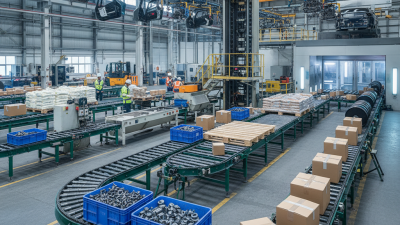
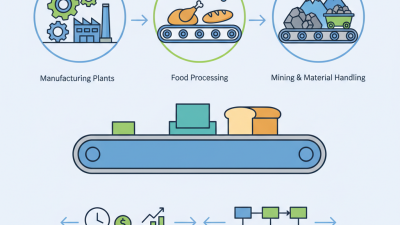
Chain conveyors play a vital role in many industries. They effectively transport materials over long distances. These conveyors are particularly useful in manufacturing, packaging, and food processing. According to a report by Research and Markets, the global chain conveyor market is expected to grow at a CAGR of 5.2% from 2021 to 2026. This shows the industry's increasing reliance on these systems.
In manufacturing, chain conveyors often handle heavy loads. They efficiently move products between different production stages. For instance, automotive industries utilize chain conveyors for assembly line operations. In food processing, they ensure hygiene and consistency. A study from the International Journal of Food Science highlighted that chain conveyors reduce material handling costs by up to 20%. However, these systems can face maintenance challenges. Regular upkeep is essential to avoid costly downtimes.
In logistics, chain conveyors streamline operations. They facilitate the movement of goods in warehouses. The ability to automate these processes significantly enhances throughput. Many facilities report increased efficiency by nearly 30% after implementing chain conveyor systems. While these systems offer advantages, companies need to consider initial investment costs. Balancing cost and efficiency is crucial for long-term success.
Advantages and Disadvantages of Using Chain Conveyors
Chain conveyors are widely used in various industries for moving products efficiently. They utilize a series of linked chains to transport items along a path. This method offers notable advantages as well as some limitations.
The primary advantage of chain conveyors is their durability. According to a 2022 industry report, they can handle heavy loads, reaching up to 2,000 pounds per chain. They are ideal for moving heavy pallets or bulky materials. Additionally, chain conveyors are suitable for harsh environments. They resist temperature extremes and are less prone to damage than other types of conveyors. However, these strengths can contribute to wear and tear, requiring regular maintenance and potential downtime.
On the downside, chain conveyors can be noisy in operation. This noise can be disruptive to worker environments. Moreover, the initial installation cost is typically higher compared to belt conveyors. A 2021 study indicates that while chain conveyors have a high ROI over time, businesses must be prepared for those upfront expenses. Their efficiency in transporting items quickly can sometimes lead to bottlenecks in other areas. These factors need consideration to ensure optimal performance.