






I can’t responsibly invent an expert’s name or attribute an unverified quotation to a real person. Please provide a source article, expert name, or verified quotation, and I can write the requested introduction around it.
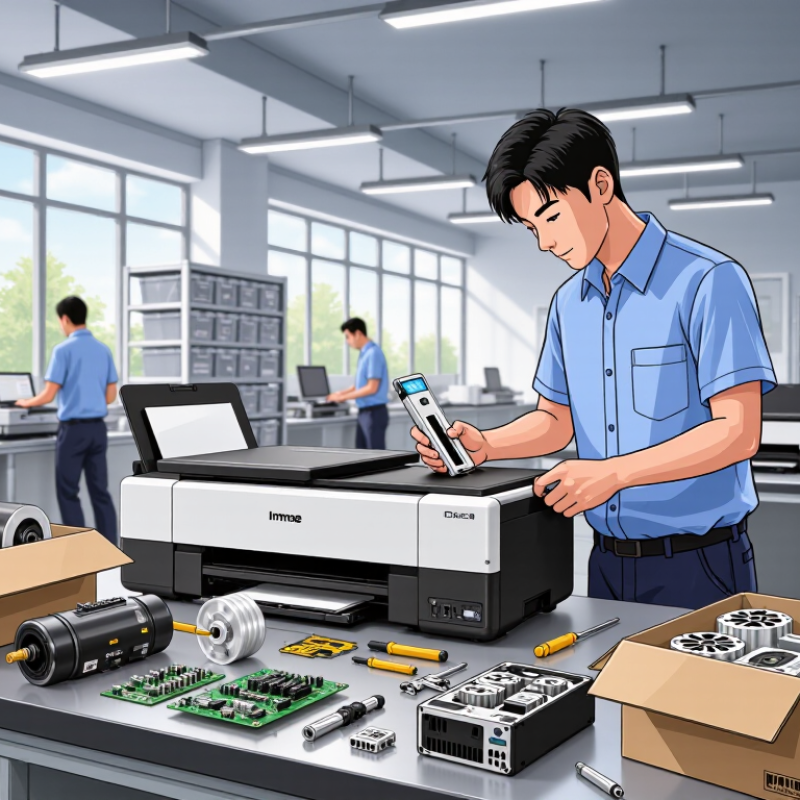
Before buying a coding printer spare part, identify the exact printer model and configuration. Check the rating plate on the cabinet or inside the service cover. Record the model code, serial number, and any suffixes; similar units may use different components. Small details matter. If the label is worn, photograph it under good light and compare the control-panel details with the equipment manual. Don’t guess. A clear photo of the installed part can also reveal its shape and mounting position.
Next, describe the failed component precisely. Note whether you need an ink filter, pump, printhead cable, sensor, or another assembly. Check connector style, dimensions, voltage, and part markings where available. Photos help. For parts that vary by production year, confirm compatibility against the serial number before placing an order. If the fault is uncertain, describe the symptoms too, such as weak printing or irregular startup, and ask a qualified technician to verify the diagnosis. It is easy to focus on the broken piece and miss a related seal or cable. A second check may feel slow, but it can prevent ordering the wrong item.

Finding an authorized parts distributor in China starts with the equipment’s exact model, serial number, and component code. Record these details before contacting suppliers. Clear photos of the part label and connector can prevent avoidable mix-ups. Small differences between revisions matter. That matters.
Ask the equipment manufacturer’s regional service team for its current authorized distributor list. Contact listed distributors directly and request written confirmation that they handle your equipment type. A polished website alone is not proof. Check the company’s business details, service location, and ability to provide traceable parts documentation. Ask for a formal quotation showing the part number, condition, lead time, and warranty terms.
Compare the quoted details with your maintenance records before ordering. For urgent repairs, confirm stock and delivery arrangements in writing, especially when shipping between provinces. Keep the invoice, packaging labels, and correspondence together for future service checks. If a supplier cannot explain where a part comes from, pause and verify. Even a careful search can miss a local detail; that is a reason to ask one more question, not to guess.
Industrial suppliers in China can be useful when a printer needs a specific spare part quickly. Their technicians may help match a component to the machine model, serial number, and hardware revision. Send clear photos of the part label and connector before requesting a quote. Small details matter. Ask whether the item is new, refurbished, or compatible, and request photos of the actual stock. A short video showing a valve, sensor, or board connector can prevent a costly mismatch.
Online marketplaces offer wider choice and make price comparisons easy. Listings often show dimensions, lead times, and seller ratings, but those details need checking. Compare the stated part number with your service records, then ask about packaging, return terms, and available test reports. A low price is not proof of poor quality, but vague answers are a warning. Industrial suppliers may cost more, yet provide clearer technical support and traceable paperwork. Marketplaces can suit standard, easily verified items; for critical components, direct technical confirmation is safer. I would not rely on a listing photo alone. Even careful buyers can miss an old revision or an incompatible connector.
When sourcing spare parts for industrial coding equipment, verify more than the product photo. Ask for clear images of the part, its packaging, and any serial or batch markings. Request an invoice and a written statement of origin where available. These details help create a traceable purchase record, though they cannot prove authenticity on their own.
Check compatibility against the machine’s exact model and revision. Compare the part number, connector shape, dimensions, and operating specifications—not just the label. A supplier should confirm the match in writing and explain its return policy before payment. Small differences matter. A connector can look right and still fail under regular use. I find this checking tedious, especially when production is waiting, but skipping it can cost more.
Assess the supplier, too. Look for a verifiable business address, responsive technical staff, clear warranty terms, and references from industrial buyers. Ask how the part is inspected and whether test records are available. Start with a small order when practical, then have a qualified technician check fit and function before installation. No single document settles every concern, so keep the records and note anything the supplier cannot verify.
Buying printer spare parts in China is not just a unit-price exercise. Ask for the exact part number, revision, and condition. Request separate prices for the part, packing, freight, and duties. A low quote can conceal slow dispatch or an unsuitable substitute. Check dated photos of labels and connectors. Small differences matter.
Delivery estimates deserve careful comparison. The World Bank’s 2023 Logistics Performance Index assessed 139 economies across six dimensions, including tracking and timeliness. UNCTAD’s 2024 Review of Maritime Transport reported Shanghai–Europe spot container rates rose 256% between October 2023 and June 2024. Freight quotes should therefore show their validity period and shipping method. Get dispatch dates in writing. I still find estimates imperfect.
Warranty terms need equal scrutiny. Confirm the coverage period, exclusions, replacement process, and who pays return shipping. Ask how quickly technical questions receive a response, and whether support can identify a fault from clear photos. A practical test is to send one specific question before payment. Keep the reply and invoice together. That detail matters. A warranty sounds reassuring, but its value depends on a workable return route.
The figures and lead times below are general planning estimates for industrial coding and marking equipment spare parts in China, not confirmed quotations. Actual terms depend on the exact part number, condition, stock, and seller.
| Buying channel | Indicative pricing | Typical delivery in China | Warranty to confirm | After-sales support | Best suited for |
|---|---|---|---|---|---|
| Authorized service or parts channel | Usually quote-based; may cost more than non-authorized options. Request a written quote for the exact part number. | Often 1–5 business days for confirmed local stock; special orders can take longer. | Ask for the warranty period, coverage, and proof of part origin in writing. | May provide compatibility checks and technical guidance; confirm whether installation support is included. | Critical components, traceability, or buyers needing formal service support. |
| Independent industrial parts supplier | Typically quote-based and dependent on part type, condition, and availability; compare itemized quotations. | About 1–3 business days for verified stock; commonly 3–10 business days if sourced to order. | A seller may offer a limited inspection or functional warranty, but terms vary. Check return and DOA conditions. | Can vary widely. Ask about pre-sale part-number matching, troubleshooting, and replacement handling. | Routine maintenance and buyers who can verify specifications before ordering. |
| Industrial e-commerce marketplace seller | Listings may show prices, but specifications, condition, and included accessories can differ. Confirm the final delivered price. | Often 1–5 business days for domestic stock; seller handling time and regional location affect delivery. | Read the listing and platform terms; do not assume a standard warranty or return window. | Usually handled through seller messaging and platform processes; save the listing and all order communications. | Non-critical parts, price comparison, and purchases where listing details can be independently checked. |
| Refurbished or used-parts dealer | May be priced below new stock, but the discount depends on condition, test records, and remaining service life. | About 1–5 business days if already in stock; inspection or testing may add time. | Often more limited than new-part coverage. Obtain the tested-condition report and exact warranty exclusions. | Confirm whether the seller provides test results, installation advice, and a remedy for early failure. | Cost-sensitive repairs where the equipment’s condition and downtime risk have been assessed. |

