Best Waterproof Socket Cover Options for Global Buyers?
In today's world, ensuring safety and durability in outdoor electrical installations is crucial. One effective way to achieve this is by using a reliable Waterproof Socket Cover. These covers provide essential protection against rain, snow, and other environmental elements. They are designed to keep electrical outlets safe, reducing the risk of short circuits or damage.
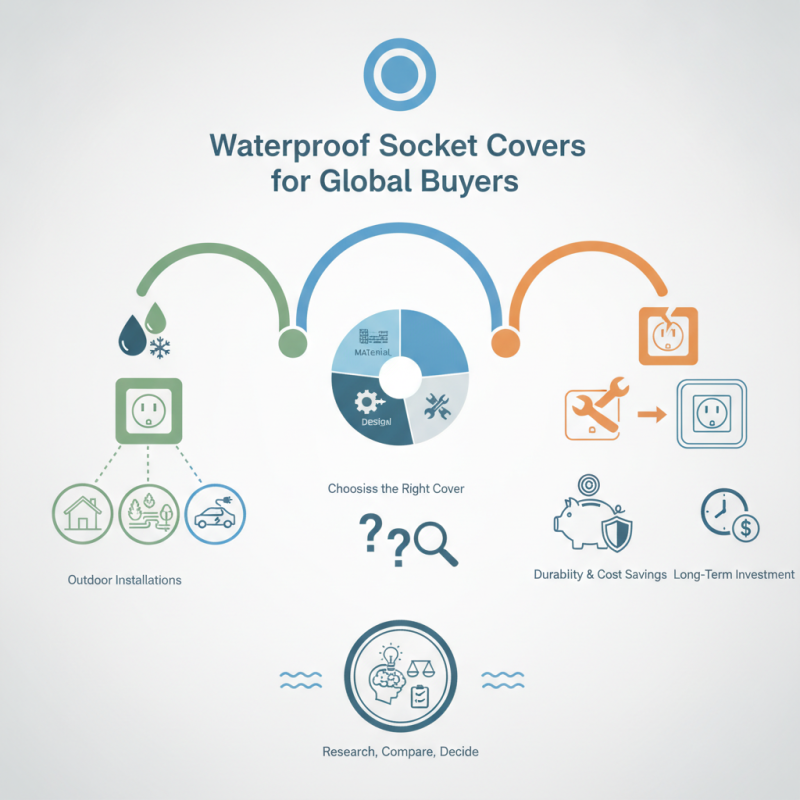
There are many options available for global buyers. Choosing the right Waterproof Socket Cover can be a challenge. Factors like material, design, and ease of installation must be considered. Some products excel in certain areas but fall short in others. It's essential to identify a cover that fits your specific needs.
Many consumers may overlook the importance of quality in these products. However, a durable Waterproof Socket Cover can save you from costly repairs down the line. Investing time in finding the right solution is vital. Be sure to research, compare, and reflect on your choices before making a decision.
Types of Waterproof Socket Covers Available on the Market
When choosing a waterproof socket cover, consider the various types available in the market. One popular option is the flip lid cover, which provides easy access while ensuring protection against water and debris. These covers are ideal for outdoor settings, such as gardens and patios. Another type is the weatherproof in-use cover, designed for sockets that require constant use. These covers allow connections without exposing the socket to environmental elements.
It's essential to assess the material of the cover. Durable plastics and reinforced designs can withstand harsh weather. Some models are rated for extreme temperatures, making them suitable for diverse climates. Look for the IP rating, as it indicates the level of protection against water and dust.
Tips: Always check the installation instructions carefully. Proper installation ensures maximum protection and safety. If you're unsure about the installation process, seek professional help. Regularly inspect your socket covers for wear and damage. Even a small crack can compromise their effectiveness. Make maintenance a habit to ensure reliability throughout the seasons.
Key Features to Consider When Choosing Waterproof Socket Covers
When selecting waterproof socket covers, several key features are paramount. Durability stands as a vital aspect. The cover should withstand harsh weather, UV exposure, and the test of time. Look for materials like robust plastics or silicone that can resist wear and tear. A solid closure design is essential to keep moisture at bay.
Another important factor is ease of installation. The best covers offer straightforward methods for installation. Clear instructions can help users save time and effort. Compatibility with various socket designs is also crucial. Not all covers fit every socket, so checking specifications is necessary to ensure a good match.
User reviews can provide insights into real-world performance. How well do they perform under heavy rain or snow? Some covers fail to seal completely, leading to potential electrical hazards. Understanding these user experiences can guide your decision-making process. Finally, consider the warranty or guarantee. A reliable warranty often indicates confidence in a product's longevity.
Top Recommendations for Waterproof Socket Covers for Export
When considering waterproof socket covers for export, it's essential to analyze their effectiveness and reliability. Industry reports suggest that approximately 30% of electrical failures in outdoor settings are due to inadequate waterproofing solutions. This underscores the need for high-quality socket covers that withstand various environmental conditions.
Experts recommend choosing covers that comply with international standards, such as IP ratings. Products rated at least IP55 provide good protection against water and dust. However, not all products meet these standards. Some covers, despite claims, may fail under extreme conditions. This highlights a significant gap between marketing and actual performance, necessitating careful evaluation by buyers.
It’s also worth noting that consumer preferences vary by region. In regions with heavy rainfall, robust waterproof solutions become a non-negotiable requirement. However, in drier areas, buyers might prioritize cost-effectiveness over comprehensive waterproofing. This variability can lead to mismatched expectations, so buyers must align their choices with local conditions and standards.
Installation Guidelines for Waterproof Socket Covers
When installing waterproof socket covers, precise guidelines are essential for optimal performance. Studies indicate that improper installation can lead to failures in water protection, compromising safety. Always begin by ensuring the socket area is clean and dry. This simple step ensures better adhesion and an effective seal.
Secure the cover according to the manufacturer's instructions, ensuring that all screws are tightened appropriately. A recent industry report highlighted that over 30% of socket cover failures were due to inadequate sealing. It’s crucial to regularly inspect these installations, focusing on wear and tear. Corrosion may weaken the structure over time, leading to exposure.
Moreover, be aware that there are various types of waterproof socket covers available, designed for different environments. Outdoor installations face unique challenges, such as extreme weather. Many users overlook how fluctuating temperatures can affect the materials used in covers. An informative study noted that only 40% of consumers replace socket covers after significant weather events. Regular maintenance checks can greatly improve durability and reliability.
Maintenance Tips for Extending the Lifespan of Socket Covers
When it comes to extending the lifespan of socket covers, simple maintenance can go a long way. Frequent inspections for wear and tear are crucial. Look for cracks or discoloration. These tiny signs may indicate that the cover can fail soon. If any damage is found, consider replacing it immediately.
Regular cleaning is another essential practice. Dirt and moisture can accumulate over time, leading to corrosion. Use a soft cloth and mild detergent to wipe down the covers gently. Be careful not to penetrate the socket itself. Ensure that the area around the socket is dry before reassembling. This small step can significantly enhance durability.
Additionally, using protective seals can help keep moisture out. Be mindful of seasonal weather changes. In windy or rainy conditions, double-check that socket covers are securely closed. Loose covers are prone to damage. Taking these preventive steps can save you from unexpected failures and enhance the reliability of your socket covers.
Best Waterproof Socket Cover Options for Global Buyers