






Tinted Plastic Film is not a single material with one ideal use. It includes dyed, metallized, and ceramic-based films, each offering a different balance of color, light control, heat reduction, and clarity. The best choice depends on where the film will be used and what it needs to do. A vehicle window may need reduced glare, while a greenhouse panel may need useful daylight to reach plants. A display or sign may call for even color and a smooth finish. That matters. A dark shade can look striking in a sample but make a room or display too dim.
The film’s base material, thickness, adhesive, and protective coating all affect its performance. For example, a film applied to a curved surface needs enough flexibility to sit smoothly around edges. For a sunny window, check the manufacturer’s data for visible-light transmission and heat-control performance rather than judging by color alone. Small details count. Ask whether the film suits the surface, and test a sample in the actual lighting when possible. A specification sheet cannot show every reflection or installation challenge. There is no flawless option; even a well-chosen film may involve a trade-off between appearance and light transmission. The sections ahead compare common types of Tinted Plastic Film and explain which features matter for different projects.
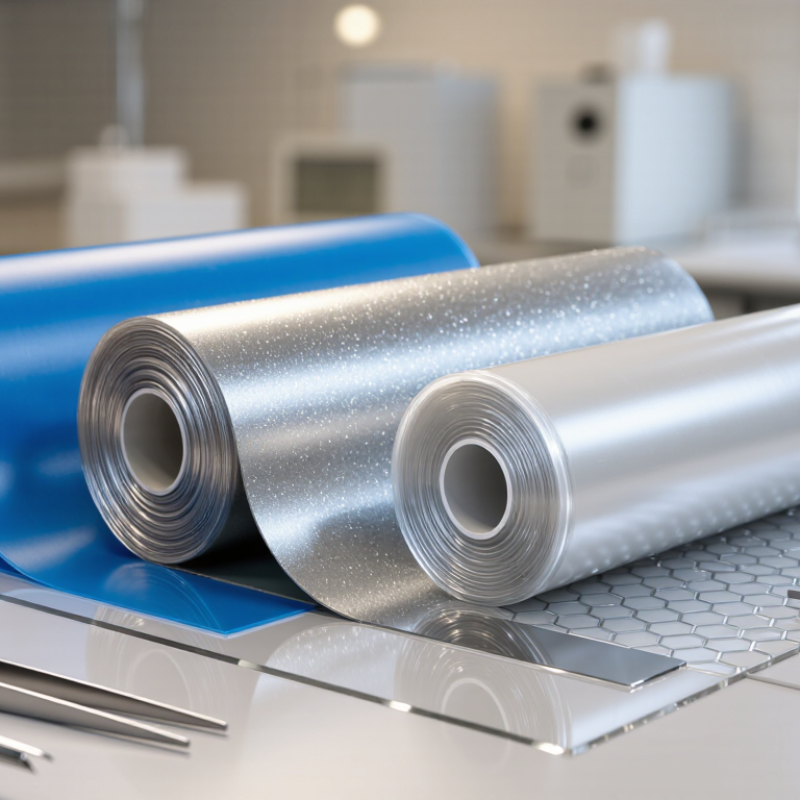
Tinted plastic film is a thin polyester layer applied to glass, usually with a clear adhesive. Dyes, pigments, or metallic coatings help it absorb or reflect selected parts of sunlight. The result can reduce glare and solar heat while still letting daylight through. Not magic. Absorptive films warm the glass as they take in solar energy, so glass type and installation matter.
Tint darkness alone does not tell you how much heat the film blocks. The National Fenestration Rating Council (NFRC) reports visible transmittance and solar heat gain coefficient (SHGC), useful measures for comparing products under standardized conditions. Lower SHGC generally means less solar heat enters. The U.S. Department of Energy’s Energy Saver guidance estimates that windows account for about 25–30% of residential heating and cooling energy use. That makes solar control relevant, but film cannot fix drafts or poor frames. A cooler room is not guaranteed. I would compare rated performance, glass compatibility, and the room’s sun exposure before choosing; the right shade can still feel too dark on a cloudy day.

Tinted plastic films differ by the materials used to create their color and performance. Dyed film uses colorants within the plastic layers. It can reduce glare and add privacy, but its appearance may fade with prolonged sun exposure. Simple, but not always durable.
Metalized film contains a thin reflective layer that helps limit heat and glare. It can also interfere with some wireless signals, depending on its construction. Carbon film uses carbon-based particles for a darker look and steady color, without the same metallic finish. Ceramic film uses fine ceramic particles to reduce heat while keeping the view relatively clear. Performance varies between products, so labels alone do not tell the whole story.
For homes or vehicles, compare visible-light transmission, heat rejection, and clarity under both bright sun and evening light. A dark film is not automatically the best at blocking heat. Check the plastic substrate, adhesive quality, and installation instructions; bubbles near the edges can spoil an otherwise suitable film. These categories sometimes overlap, and product testing methods differ. That makes direct comparisons imperfect. A small sample placed on the actual glass can reveal color shifts and visibility issues before a larger installation.
The Main Types of Tinted Plastic Film
The bars show illustrative visible light transmission (VLT) options commonly found across dyed, metallized, carbon, and ceramic films. Lower VLT means less visible light passes through. Available shades vary by product; film type alone does not determine VLT or overall performance.
Tinted plastic films differ mainly by how they control light and heat. Dyed polyester absorbs visible light, creating a soft, low-glare appearance at modest cost. It may fade sooner under intense sun, and absorbed heat can remain near the glass. Metallized films reflect more solar energy and often look mirror-like. Their reflective layer can interfere with some wireless signals, so check the product specification before choosing.
Ceramic and other non-metallic films use fine particles to reduce infrared heat while preserving clearer views. They usually cost more, but avoid the signal concerns associated with metal layers. The International Window Film Association’s technical guidance gives upper-end figures of up to 99% UV blocking and 78% solar-energy rejection for certain films. These are maximum claims, not guaranteed results; performance depends on film construction and glass. Trade-offs remain.
Compare the film’s visible light transmission and solar heat gain coefficient, rather than judging darkness alone. The National Fenestration Rating Council uses standardized ratings for these properties, making product comparisons more useful than color samples. A dark sample can still perform differently from another dark sample. Ask for the tested values, then view a sample against the actual window in daylight. One detail is easy to miss: existing glass type and orientation can change heat buildup, so a film suitable for a shaded room may disappoint on a west-facing window.
Tinted plastic films are used where light, privacy, or appearance needs to change without replacing a surface. In homes and offices, solar-control films on windows can soften glare across desks and reduce harsh afternoon light. Gray and bronze shades keep rooms bright while changing the tone of daylight. Small rooms may feel darker than expected.
On vehicles, tinted films are commonly applied to side and rear windows to limit glare and provide privacy. Reflective films appear on some building windows, where they can reduce incoming heat and create a mirrored exterior. Their performance depends on the glass, sunlight, and installation quality.
Frosted or lightly colored films suit interior glass partitions, clinic doors, and meeting-room panels. They blur direct views but still allow light through.
Retail displays and signs often use vivid transparent films to add color while keeping lettering visible. Colored films also appear in packaging, where they help products stand out on shelves. Clear UV-filtering films are useful for display cases and sunlit rooms, especially around artwork or fabrics that may fade. These uses overlap, and no single tint works everywhere. A small sample viewed at different times of day can reveal unwanted color shifts before a larger area is covered.
Choosing tinted plastic film starts with the problem you want to solve. Dyed film reduces glare and adds privacy, but may absorb heat. Metallized film reflects more solar energy, though its shiny appearance can feel distracting. Ceramic film offers heat and glare control without a strongly mirrored look. Spectrally selective film aims to reduce heat while allowing more daylight through. No option fits every window.
Check the film’s visible transmittance (VT) and solar heat gain coefficient (SHGC), not just its shade. Higher VT means more daylight passes through; lower SHGC means less solar heat enters. The U.S. Department of Energy’s Energy Saver guidance says window films can reduce energy costs by 10% to 30%, depending on conditions. Treat that as a potential range, not a promise: climate, window direction, and existing glazing all matter.
For a sunny west-facing room, lower SHGC may help with late-afternoon heat. For a dim north-facing room, a lighter film may preserve useful daylight. Check compatibility with your glass type, since some films can increase thermal stress on certain panes. A small sample on one window can show how the tint looks in morning and evening light. It’s not a perfect test, but it can prevent an expensive mismatch.

