The Best Rubber Air Hose for Your Needs Explained
Selecting the right rubber air hose is essential for optimal performance in various applications. According to industry reports, approximately 70% of pneumatic tool users prefer rubber hoses because of their durability and flexibility. This preference is backed by data indicating that rubber hoses can withstand extreme temperatures and resist abrasions effectively.
rubber air hoses come in various sizes and specifications, which can complicate the selection process. Often, users struggle to find a balance between flexibility and pressure ratings. This complexity can lead to mistakes, resulting in subpar performance or even safety issues. A hose that is too stiff may not suit specific tasks, while one that cannot handle adequate pressure might fail unexpectedly.
It’s crucial to understand the unique requirements of your projects. Investing in a high-quality rubber air hose can increase efficiency and reliability. However, this investment must be approached with careful consideration of the specifications offered. The right choice can lead to enhanced productivity, while the wrong choice could cost time and money.
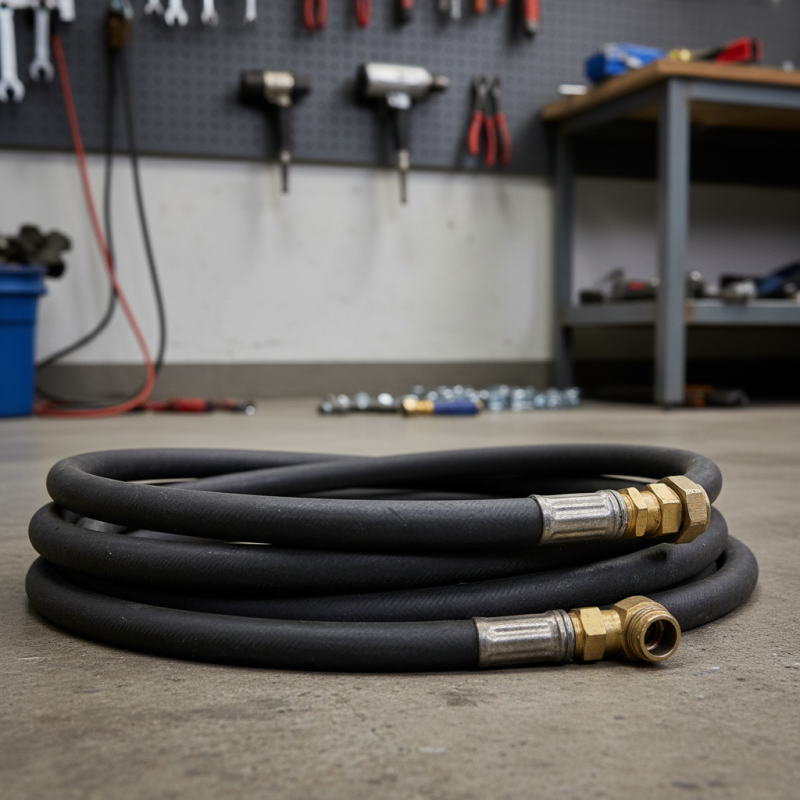
Understanding Rubber Air Hoses: Types and Applications
Rubber air hoses are crucial for many applications. They come in various types, each serving a unique purpose. Some are designed for high-pressure tasks, while others are better for lighter work. Selecting the right type is essential for efficiency and safety. For example, a heavy-duty hose is ideal for construction projects. It can withstand harsh conditions and rough handling.
In contrast, a lightweight rubber hose works well for home use. It is easier to maneuver and store. However, it may not last as long under tough conditions. Users often overlook the importance of the fitting as well. A proper connection prevents air leaks. A small oversight here can affect performance significantly.
Maintenance is another area worth considering. Regularly checking for wear and tear is vital. A damaged hose can ruin projects and create safety hazards. Investing time upfront can save money later. Reflecting on experiences helps in making informed choices about rubber air hoses. Knowing the right type for your needs makes a tangible difference in your work.
Key Features to Consider When Choosing a Rubber Air Hose
When selecting a rubber air hose, it’s vital to consider factors that can significantly impact your projects. One key feature is the hose diameter. The size affects airflow. A larger diameter provides better air delivery but could be heavier. Choose a size that balances airflow and weight for your needs.
Another important aspect is the hose durability. Rubber hoses generally last longer than PVC counterparts. Industry reports indicate that rubber hoses can withstand extreme temperatures, ranging from -40°F to 190°F, making them suitable for various environments. Additionally, check for kink resistance. A hose that kinks easily can disrupt airflow, leading to inefficiencies.
Length is also crucial. A shorter hose minimizes pressure loss but may limit your working range. Conversely, a longer hose provides flexibility but could result in air loss. According to industry standards, excessive hose length can decrease pressure by 1% for every 10 feet. Ensure you find the right balance between reach and efficiency for your tasks.
Comparing the Best Rubber Air Hoses in the Market
When choosing a rubber air hose, it's essential to compare the best options on the market. Rubber hoses typically offer good flexibility, durability, and resistance to various elements, which is ideal for both DIY enthusiasts and professional users. According to a 2023 industry report, rubber hoses constitute about 60% of the market share because of their reliable performance in various conditions.
Length and diameter play a crucial role in selecting the right hose. Standard sizes range from 1/4 inch to 1 inch in diameter. Hoses longer than 50 feet can experience pressure drop issues. Users should consider their air supply needs and specific applications. For example, heavy-duty tasks may require a thicker, more robust hose.
Tip: Always test the hose under pressure before use. Some hoses may not perform as expected. Look for signs of wear, as this can impact safety and efficiency.
Another consideration is temperature tolerance. Most rubber hoses can handle temperatures from -40°F to 150°F. However, not all are created equal. A mismatch can lead to a shortened lifespan or potential hazards.
Tip: Read customer reviews and check ratings for insights. Sometimes, experiences from other users can reveal hidden flaws or unexpected advantages.
Maintenance Tips for Longevity of Rubber Air Hoses
Rubber air hoses are crucial for various tasks, yet they require proper care. Regular maintenance can greatly extend their lifespan. Start by checking for leaks and cracks. A small crack can lead to significant air loss. Inspect the fittings and connections as well. Loose fittings may cause the hose to detach unexpectedly.
Cleaning is also important. Use mild soap and water to remove dirt. Avoid harsh chemicals that can degrade rubber. Store hoses properly to prevent kinks. Hang them up or lay them flat in a cool spot. Sunlight can damage rubber, making it brittle over time. Be mindful of these factors during storage.
Inflation pressure matters too. Over-inflated hoses are at risk of bursting. Adhere to the recommended pressure levels. It’s easy to overlook this detail, but it is essential. Regular inspections and mindful storage lead to longer-lasting hoses. Maintaining your rubber air hose can be simple with the right approach. Taking these steps can prevent future frustrations.
Common Issues with Rubber Air Hoses and How to Resolve Them
Rubber air hoses are essential tools in various industries. However, they come with common issues. A frequent problem is wear and tear. A study shows that nearly 30% of pneumatic users experience leaks. These leaks can diminish efficiency and lead to costly repairs.
Another issue is kinking. Excessive twisting can damage the hose. A report indicates that 15% of users reported kinks causing untimely interruptions. To combat this, ensure proper storage. Always coiling the hose correctly helps.
Temperature fluctuations also play a role. In colder conditions, rubber becomes stiff. Low temperatures can cause brittleness. Remember, storing hoses in a heated space can preserve their life. Addressing these common issues is vital for operational efficiency and safety.
The Best Rubber Air Hose for Your Needs Explained - Common Issues with Rubber Air Hoses and How to Resolve Them
| Dimension | Description | Common Issues | Solutions |
| 1/4 inch | Ideal for low pressure applications like inflating tires. | Kinked hose | Straighten the hose and avoid sharp bends during usage. |
| 3/8 inch | Versatile size suitable for general air tools. | Worn out fittings | Replace fittings to prevent air leaks. |
| 1/2 inch | Best for high flow applications such as heavy machinery. | Cracks and splits | Inspect regularly; patch up or replace damaged sections. |
| 1 inch | Used for industrial applications requiring maximum air delivery. | Heavy wear and deformation | Consider a hose specifically designed for high-pressure use. |