






Choosing the best Package Wrapper for 2026 means balancing product protection, operating cost, line speed, and end-of-life options. The right material must suit the product, not just the trend. A flexible film may protect a moisture-sensitive snack, while a paper-based wrapper may better fit a dry product and a specific recycling stream. Seals, print quality, storage conditions, and machine compatibility matter too. Small failures count: a split seam or crushed corner can waste both product and packaging.
The scale of the issue is clear. The OECD’s Global Plastics Outlook reports that packaging accounted for 31% of global plastics use in 2019. McKinsey’s 2023 survey of more than 11,000 consumers across 11 countries found that packaging recyclability matters to consumers, though preferences vary by market. These reports offer useful context, not a universal recipe. And labels alone are not proof of better performance. This guide compares wrapper materials and formats against practical criteria, including protection, sealing, cost, and disposal options. It also considers the compromises that are easy to overlook, such as higher material costs or limited local recycling access. No single wrapper wins every test. The strongest choice is the one that protects the product in real operating conditions and can be supported by credible supplier data and line trials. A little uncertainty remains; that is a reason to test, not to guess.
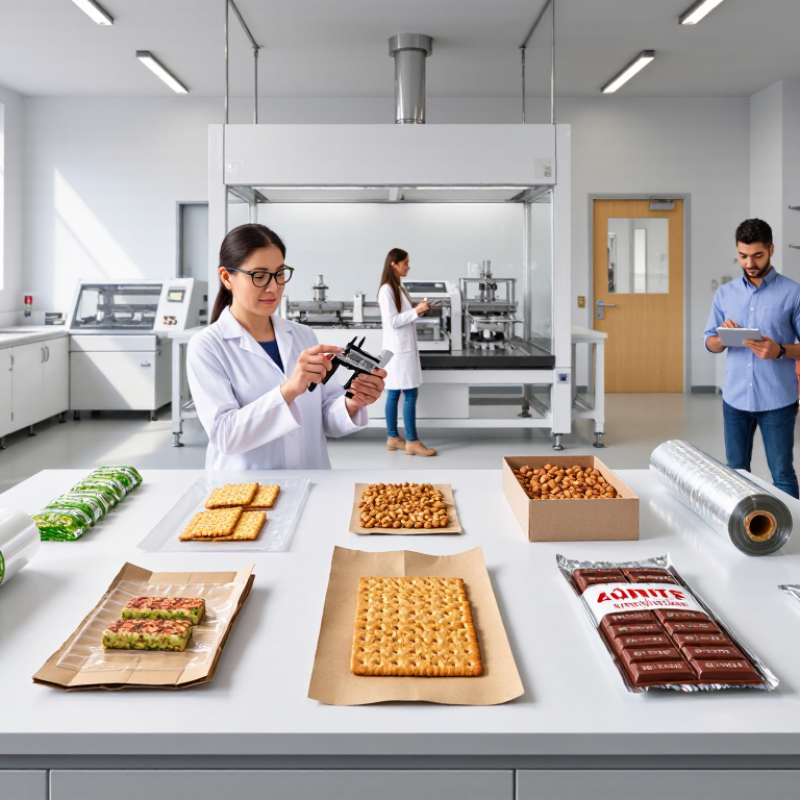
A package wrapper is a machine that covers a product or group of products with protective packaging. Depending on its design, it may use stretch film, shrink film, paper, or another suitable material. The goal is to keep items together, limit exposure to dust and handling, and prepare them for storage or transport. Some wrappers turn a roll of film around a pallet; others seal smaller products in individual packs.
What a wrapper does depends on the product, package size, and line speed. A pallet wrapper, for example, secures stacked cartons with overlapping film layers. A tabletop model may wrap a compact item using a heated seal.
Check how easily operators can adjust tension, change rolls, and clear jams. Watch a sample run: loose film can snag, while excessive tension may crush corners or waste material. Small details matter.
A wrapper cannot fix unstable cartons or poor pallet stacking. It can also be the wrong choice when package sizes change often. I would compare actual sample packs, service access, and material use before choosing. Even then, setup needs occasional adjustment. That part is easy to underestimate.

In 2026, wrapper materials range from paper and board to flexible plastic films and foil-based laminates. Paper feels tactile and works well for dry goods, gifts, and items needing a simple outer layer. Kraft paper adds a natural look, though it may scuff or tear when handled roughly. Recycled-content options are available, but their strength and appearance can vary.
Flexible films can provide useful moisture or oxygen barriers, depending on their structure. Some use a single material, which may be easier to sort for recycling where suitable collection exists. Laminates combine layers for protection, but those layers can make recycling more difficult. Looks simple. Often isn’t. Formats include flat sheets, rolls, pre-cut wraps, sleeves, and machine-fed flow wraps. Sheets suit hand packing and irregular shapes; rolls can reduce handling in higher-volume operations. A sleeve leaves part of the product visible, while a sealed wrap offers more coverage. I would check seal strength, product sensitivity, packing speed, and local waste services before choosing. A neat sample on a desk does not always behave well on a busy packing line.
The best package wrapper for 2026 depends on what it must protect, how it will be applied, and where the parcel will travel. Start with the item itself. A ceramic mug needs cushioning around its handle, while a flat notebook may need only a close-fitting protective layer. Measure the item and allow room for folds or padding. Fit matters.
Next, consider durability and handling. A wrapper should resist ordinary scuffs and keep its contents secure during stacking, sorting, and short periods of damp weather. Check whether seams stay closed under light pressure, and whether the material tears cleanly without excessive effort. If workers wrap dozens of parcels each hour, easy loading and consistent results can matter as much as strength. Test a few samples with real products, not just an empty box.
Material use, disposal options, and total cost also shape the decision. A thinner wrapper may use less material, but it is not a good value if damaged goods become more common. Ask for clear specifications, then compare them with a small trial. A tidy specification sheet can still miss how hurried staff actually wrap a parcel. There is no perfect choice, and that is inconvenient. Recheck the choice when product sizes, shipping routes, or handling practices change.
A useful starting point is how packaging is handled at end of life.
In 2018, 65.6% of U.S. containers and packaging waste was recycled, 8.6% was combusted with energy recovery, and 25.8% was landfilled. These national figures cover packaging overall, not wrappers alone. The best wrapper also needs to protect the product, suit the shipping conditions, and be accepted by local recycling systems.
Source: U.S. EPA, Advancing Sustainable Materials Management: 2018 Fact Sheet. Percentages calculated from reported tonnage.
Choosing a package wrapper means matching protection to the product, not simply picking the thickest material. A crisp bakery item may suit grease-resistant paper, while a moisture-sensitive snack often needs a stronger barrier film. Fresh produce may benefit from breathable wraps that limit condensation, though too much airflow can speed drying. Small details matter.
Paper wrappers are easy to fold, print, and handle, but they may absorb moisture or oil. Plastic films can seal tightly and show the product clearly; their performance depends on thickness and seal quality. Foil-based laminates block light and moisture well, yet mixed layers can make recovery more difficult. There is no perfect choice. A wrapper that protects food well may be harder to sort after use.
Think about the full journey: filling, transport, display, opening, and disposal. A paper sleeve for a dry item may work well in a shop, but fail in a damp delivery box. Test samples with the actual product, including a few days of storage and ordinary handling. Check whether seals split at the corners, labels peel, or contents soften. Recycling access also varies by area, so verify local collection guidance rather than relying on a broad material claim. These checks take time, and small trials can still miss real-world surprises.
| Wrapper option | Typical applications | Protection and performance | Sealing and handling | End-of-life considerations | Best fit when… |
|---|---|---|---|---|---|
| Paper | Dry goods, books, gifts, and lightweight retail items | Provides a printable surface and some protection from scuffs; offers limited resistance to water, grease, and gases unless treated or combined with other materials. | Can be folded, wrapped, taped, or glued; generally easy to cut and handle. | Clean, uncoated paper is commonly accepted in paper recycling programs; acceptance varies by location, and food or grease contamination can affect recycling. | The contents are dry and a simple, printable wrapper is sufficient. |
| Polyethylene film (PE) | Flexible goods, liners, bread and produce bags, and bundling | Flexible and moisture-resistant; performance against oxygen and aroma depends on film construction and thickness. | Commonly heat-sealable; suitable for lightweight wrapping and some automated packing lines. | Some clean PE films can be collected through designated store-drop-off or film-recycling programs; curbside acceptance is not universal. | A light, flexible moisture barrier and straightforward film sealing are priorities. |
| Polypropylene film (PP) | Snack foods, confectionery, stationery, and clear retail wraps | Often clear and relatively stiff for a thin film; offers useful moisture resistance, while gas-barrier performance varies by grade and structure. | Many grades can be heat-sealed; the correct sealing layer and machine settings depend on the film specification. | Recycling access varies by local collection and sorting systems. Laminated or heavily printed structures may be harder to recycle. | A clear, lightweight wrapper is wanted for dry products and the packing line is compatible with PP film. |
| Cellulose film | Confectionery, gift wrapping, and selected dry-food applications | Can provide a transparent, crisp-looking wrap; moisture and gas barrier properties vary with grade, coatings, and humidity. | May be more sensitive to humidity and handling than common plastic films; sealing compatibility depends on the specific grade or coating. | Compostability depends on the exact product, coatings, certification, and available composting conditions; do not assume it is suitable for home composting. | A transparent cellulose-based appearance is desired and the exact film meets the product’s barrier and disposal requirements. |
| Coated or laminated paper | Food service, takeaway items, and products needing more grease or moisture resistance than plain paper provides | A coating or added layer can improve resistance to grease or moisture; the level of protection depends on the material and construction. | Can be folded or formed; some constructions are heat-sealable, subject to the coating and equipment. | Recyclability depends on the coating or laminate and local mill capabilities; check local guidance rather than assuming it can be recycled with plain paper. | Paper-like handling is useful, but the product needs added resistance to grease or moisture. |
| Aluminum-foil laminate | Sensitive foods, coffee, pharmaceuticals, and products requiring strong barrier protection | Foil layers can provide a strong barrier to light, moisture, and gases; the complete package’s performance depends on its seals and laminate design. | Can be formed into flexible packs and sealed when designed for the packaging equipment; seal integrity is important to protection. | Multi-material laminates are often difficult to separate and recycle through standard systems; specialized collection may be required. | Strong protection from light, moisture, or oxygen is more important than simple material separation. |
| Stretch film (LLDPE) | Pallet loads and grouped cartons during storage or transport | Stretches around loads to help hold items together and limit exposure to dust and handling; it is not a substitute for a rigid protective container. | Applied by hand or wrapping equipment; film tension and load configuration affect stability. | Clean stretch film may be accepted by dedicated film-recycling programs; local collection rules vary, and contamination can prevent recycling. | The goal is to unitize and stabilize multiple products for transport, not to wrap a single retail item. |
| Selection note: There is no single best wrapper for every product. Match the material to the required barrier, product weight and shape, sealing equipment, transport conditions, and local disposal options. Verify food-contact suitability and any recyclability or compostability claims for the exact package construction. | |||||
Choosing a package wrapper starts with the journey, not the material label. A lightweight item may need only a snug paper wrap, while a ceramic mug needs cushioning that limits movement inside the box. Check likely pressure points, moisture exposure, and how parcels will be stacked. A simple drop test on a packed sample can reveal loose corners or thin spots. That matters.
Compare the full cost, not just the price per roll. Include wrapping time, storage space, tape use, and the risk of damage or returns. A wrapper that takes longer to apply may cost more in a busy packing area. Keep it simple. Test two or three options on the same product, then note packing time and any visible damage.
Sustainability depends on fit and local collection options. Right-sized wrapping can reduce excess material, but recycled content alone does not guarantee easy recycling. Check whether the used material can be separated from labels, tape, or protective layers. I would leave room for one imperfect judgment: actual handling conditions can differ from a tidy test bench. Choose a wrapper that protects the item reliably, suits the packing process, and has a disposal route customers can realistically use.

