






Choosing the best Disposable Food Storage Containers is not just a matter of price. A container must protect food, resist leaks, stack neatly, and suit the way it will be used. A soup bowl carried across a busy kitchen needs a secure lid. A tray for chilled leftovers has different demands.
The market reflects that practical need. Grand View Research estimated the global food containers market at about $241.5 billion in 2023, with continued growth projected through 2030. This figure covers food containers broadly, not disposable products alone. It signals scale, but it does not tell buyers which material or shape performs best. The U.S. Environmental Protection Agency reported that containers and packaging generated 82.2 million tons of municipal solid waste in 2018; 28.1% was recycled. The data is older, but it remains a useful reminder: convenience has a material footprint.
A reliable comparison should look beyond appearance. Consider capacity, closure fit, grease resistance, stacking stability, and compatibility with the intended food. Small details matter. A lid that flexes in transit can undo a sturdy base. Material labels also deserve careful reading; a product’s claims should match its specifications and intended use.
One sourcing note matters here. No verifiable expert quotation was provided, so I will not invent a sentence and attribute it to a named specialist. That restraint is imperfect, but necessary. The guide ahead weighs everyday performance against cost and practical trade-offs, helping readers choose containers that fit real service conditions.
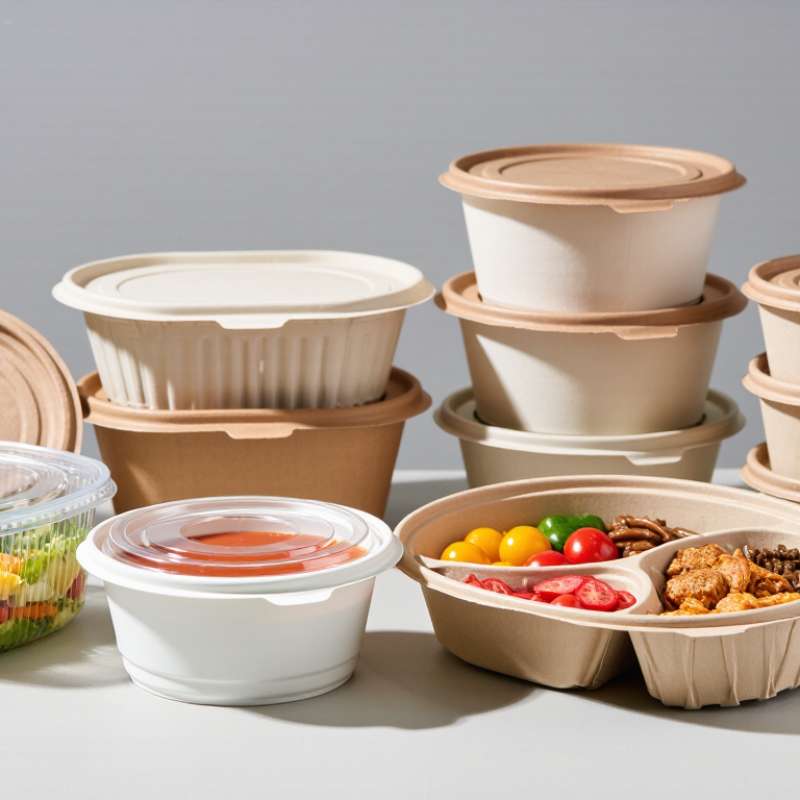
Disposable food storage containers are lightweight vessels designed to hold, transport, or serve food, usually for one use. They may be made from plastic, molded fiber, coated paperboard, or aluminum. Each material behaves differently. A sturdy plastic tub can resist moisture, while a paper container may rely on a thin lining to keep sauces from soaking through. Aluminum handles heat well, but it is not suitable for every appliance or food.
The container works by creating walls around the food and, often, a lid that rests or snaps onto its rim. That barrier helps limit spills, drying, and contact with outside surfaces. It does not always make a container airtight or leakproof. A thin lid can loosen when soup shifts in a delivery bag. Small detail, big difference. Choose a container rated for the food’s temperature and intended use; check its label before microwaving, freezing, or filling it with very hot food. Leave room near the top for liquids, and close the lid evenly. For perishable meals, the container is only one part of safe storage: food still needs timely refrigeration. Convenience is real, but “disposable” can make the whole process sound simpler than it is. A container can be practical and still fail when its material, lid, and contents do not match.
| Container Type | How It Works | Best Suited For | Heat and Cold Considerations | Disposal Considerations |
|---|---|---|---|---|
| Polypropylene (PP) plastic | A lightweight plastic container with a fitted lid helps limit spills and protects food during storage or transport. | Prepared meals, leftovers, sauces, and general-purpose food storage. | Some PP containers are designed for microwave use, but use them in a microwave only when the container is labeled for that purpose. Follow any temperature limits on the label. | Recycling acceptance varies by location and by container design. Check local rules and the recycling label. |
| Polyethylene terephthalate (PET) plastic | A clear, lightweight plastic provides visibility and is commonly formed into trays or lidded containers. | Cold foods, salads, fruit, and chilled takeaway items. | Generally intended for cold or cool foods. Do not microwave or use for hot food unless the product specifically says it is suitable. | Some local programs accept PET packaging; acceptance can depend on its shape, lid, and local sorting rules. |
| Paperboard or coated paper | Folded or formed paperboard provides structure. A coating or lining may help resist moisture and grease. | Dry foods, baked goods, sandwiches, and some takeaway meals. | Heat and moisture tolerance depend on the construction and product instructions. Do not assume a coated container is microwave-safe. | Food residue and coatings can affect recycling or composting. Follow local guidance and product labeling. |
| Aluminum | A rigid metal tray holds food and can provide a barrier to light, air, and moisture. | Oven-ready meals, baked dishes, and foods that need a sturdy tray. | Use in an oven only when the product is specified for oven use. Metal containers should not be placed in a microwave. | Clean aluminum may be recyclable where accepted. Empty the container and check local recycling requirements. |
| Molded fiber, including bagasse | Plant-fiber pulp is pressed into a shaped container, often with a lid or compartmented design. | Takeaway meals, produce, and foods for which a fiber-based container is suitable. | Performance with hot, wet, or oily foods varies by product. Check the label before using it with hot food or in a microwave. | Compostability depends on product certification and access to an appropriate composting facility. Do not assume all molded-fiber containers are compostable. |
| Expanded polystyrene (EPS) foam | Its air-filled structure makes the container lightweight and provides insulation. | Short-term transport of cold foods and foods where insulation is useful. | Not generally intended for microwave use. Follow the product label and avoid using it with hot foods unless expressly permitted. | Recycling options are limited and vary considerably by location. Check local waste guidance. |
Selection tip: The best container depends on the food, temperature, transport needs, and local disposal options. Always follow the container’s food-contact, heating, and recycling instructions.
