10 Best Chain Conveyor Systems for Efficient Material Handling
In today's fast-paced industrial landscape, efficient material handling is crucial for maintaining productivity and reducing operational costs. Chain conveyors have emerged as a vital solution for transporting heavy units and bulk materials across various manufacturing and warehousing environments. According to a report by ResearchAndMarkets, the global conveyor systems market is projected to grow at a CAGR of 4.2% from 2021 to 2026, driven by the increasing automation in manufacturing processes and the rising demand for efficient supply chain management.
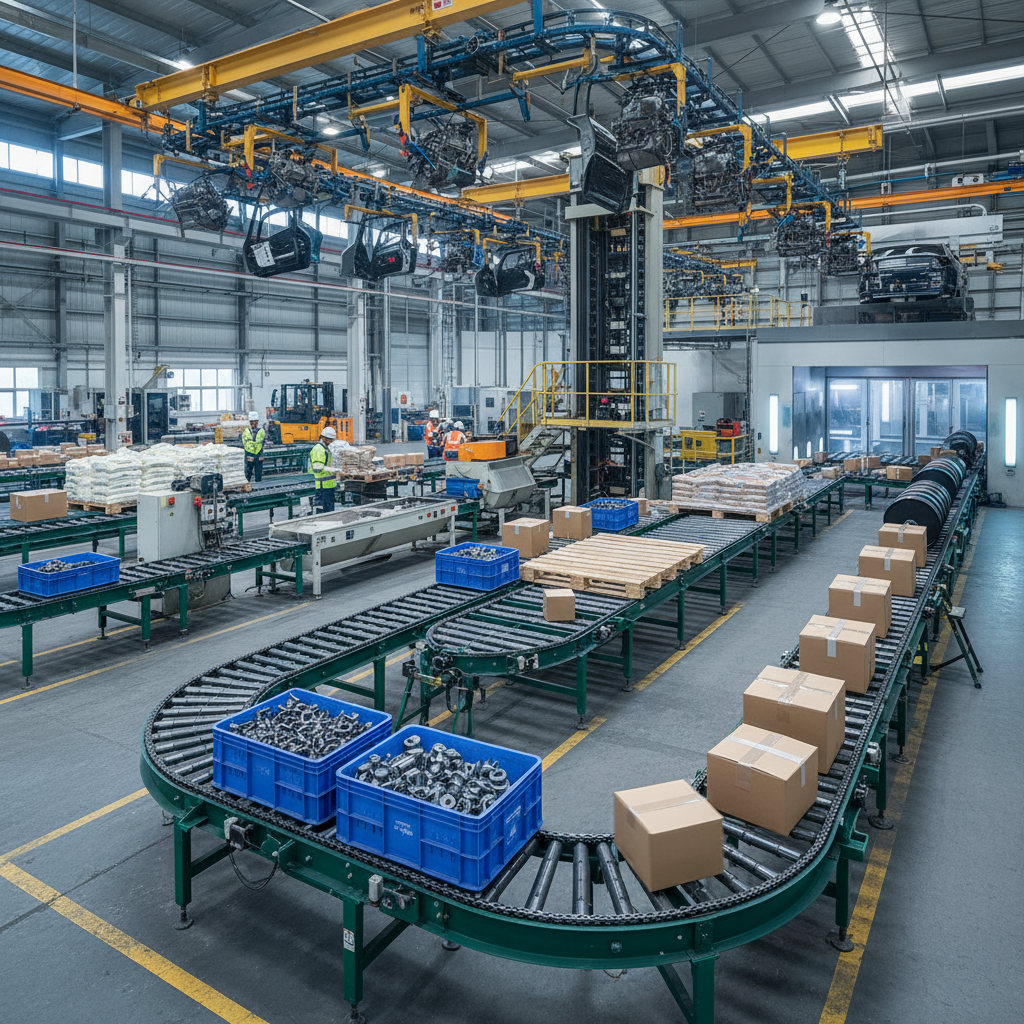 Chain conveyor systems, renowned for their durability and capacity to handle substantial loads, are particularly favored in industries such as automotive, food processing, and logistics. These systems facilitate smooth and reliable movement of materials, reducing handling time and minimizing human error. A study by MarketWatch indicates that chain conveyors are likely to play a significant role in the expected expansion of the material handling market, estimated to reach USD 246.78 billion by 2025.
With advancements in technology, modern chain conveyor systems are becoming increasingly versatile, featuring improvements in energy efficiency and adaptability to diverse operational demands. This article will explore the 10 best chain conveyor systems available on the market today, providing insights into their specifications, applications, and the benefits they offer for maximizing efficiency in material handling operations.
Overview of Chain Conveyor Systems and Their Importance in Material Handling
Chain conveyor systems play a crucial role in the efficient handling of materials across various industrial sectors. These systems utilize a series of linked chains to transport heavy loads, ensuring smooth and reliable movement from one point to another. Their design allows for versatility in handling diverse materials, from bulk goods to packaged products, making them an essential component in warehouses, manufacturing plants, and distribution centers.
The importance of chain conveyor systems in material handling cannot be overstated. They enhance productivity by minimizing manual labor and reducing the risk of accidents associated with moving heavy items. Additionally, chain conveyors are engineered for durability and performance, often operating under demanding conditions while requiring minimal maintenance. Their ability to integrate with other automated systems further amplifies their efficiency, creating streamlined operations that benefit businesses in terms of speed and cost-effectiveness.
10 Best Chain Conveyor Systems for Efficient Material Handling
This chart displays the efficiency ratings of the ten best chain conveyor systems, highlighting their performance in material handling tasks. An efficient system ensures optimal operations in various industries, making the right choice crucial for productivity.
Key Features to Look for in an Efficient Chain Conveyor System
When selecting an efficient chain conveyor system, several key features must be considered to optimize material handling operations. One of the most critical aspects is the system's load capacity. According to the Conveyor Equipment Manufacturers Association (CEMA), the right chain conveyor can handle loads ranging from light materials to heavy pallets, with capacities exceeding 2,000 pounds. This flexibility allows companies to cater to a wide range of materials, minimizing the need for multiple conveyor types within the facility.
Another vital feature is the conveyor's speed. Industry reports indicate that the average speed of chain conveyors can reach 100 feet per minute, significantly reducing cycle times in manufacturing and distribution centers. This efficiency is essential for maintaining production schedules and meeting customer demands. Additionally, ease of maintenance plays a pivotal role in operational efficiency. Conveyor systems designed with modular components can simplify repairs and reduce downtime, directly impacting overall productivity. By prioritizing these features, companies can enhance their material handling processes and achieve greater operational efficiency.
Top 10 Chain Conveyor Systems: A Comparative Analysis
When evaluating the top chain conveyor systems for efficient material handling, several key factors come into play. Each system varies in design, capacity, and suitability for specific applications. For instance, some models are optimized for heavy-duty environments, featuring robust construction that withstands high loads and constant use. Others may focus on flexibility, allowing for customized configurations that adapt to diverse workflows.
A comparative analysis of the ten best systems reveals notable differences in features such as speed, automation compatibility, and maintenance requirements. Systems that integrate smart technology can monitor performance and optimize operations, providing significant advantages in productivity. Furthermore, ease of installation and the availability of replacement parts are crucial considerations that can impact long-term operational efficiency. By assessing these aspects, businesses can select the chain conveyor system that best meets their material handling needs, ensuring both reliability and cost-effectiveness in their operations.
Innovative Technologies Enhancing Chain Conveyor Performance
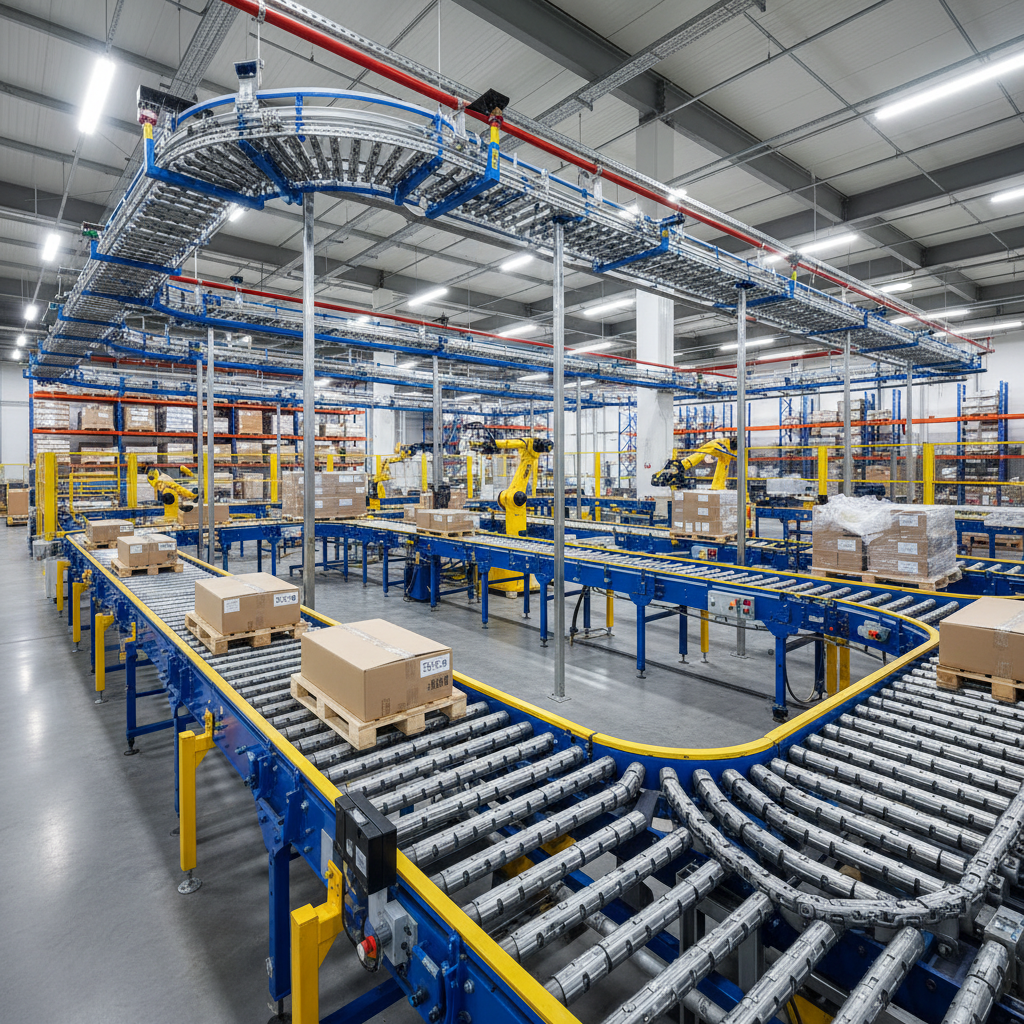
In the ever-evolving landscape of material handling, innovative technologies play a crucial role in enhancing the efficiency of chain conveyor systems. These systems are increasingly integrated with advanced features such as automation, AI, and IoT, which streamline operations and improve reliability. The global movement towards sustainability in industries like mining and manufacturing is further driving the adoption of eco-friendly conveyor technologies that reduce energy consumption and carbon footprints.
Tips for Maximizing Chain Conveyor Performance:
- Integrate Smart Systems: Utilize low-power AC drives and other smart technologies to manage energy use effectively while maintaining high performance.
- Adopt Modular Designs: Modular conveyor systems allow for easy upgrades and customization, enabling companies to adapt to changing operational requirements without significant downtime.
- Implement Predictive Maintenance: Leverage AI and machine learning for predictive maintenance strategies that can foresee issues before they arise, ensuring smoother operations and minimizing unexpected downtimes.
As we look ahead to 2025, the continued advancement of these technologies will not only enhance the performance of chain conveyor systems but also redefine operational capabilities across various industries, ensuring they remain competitive in a fast-paced market.
Best Practices for Maintenance and Optimization of Chain Conveyors
Effective maintenance and optimization of chain conveyor systems are crucial in enhancing operational efficiency in material handling processes. Regular maintenance can significantly reduce downtime and prolong the life of your equipment. According to a report by the Conveyor Equipment Manufacturers Association (CEMA), regular maintenance can reduce the risk of unexpected failures by up to 30%. To achieve this, it is essential to develop a comprehensive maintenance schedule that includes routine inspections, lubrication, and belt adjustments.
Tips: Always monitor the conveyor’s operating conditions. This includes checking for unusual noises or vibrations that may indicate potential issues. Early detection can lead to more cost-effective repairs before they escalate into larger problems.
Optimization goes beyond routine maintenance; it involves analyzing operational data to improve system performance. Implementing predictive maintenance strategies, as supported by data from the International Society of Automation, can increase equipment reliability by up to 20%. Utilizing sensors for real-time monitoring allows for better decision-making regarding the timing of maintenance activities, ensuring that conveyors operate at peak efficiency.
Tips: Utilize automated monitoring systems to track key performance indicators (KPIs) such as throughput and downtime. By setting benchmarks and analyzing trends, organizations can identify areas for improvement and make data-driven decisions to enhance their chain conveyor systems.