Best Biscuit Machine for Efficient Biscuit Production?
The biscuit production industry is evolving rapidly. Recent reports indicate a projected growth rate of 3.5% annually through 2026. This growth highlights the increasing demand for efficient, high-quality Biscuit Machines. A reliable biscuit machine can significantly enhance production capacity while ensuring consistency in quality.
Choosing the best biscuit machine involves considering several key factors. Efficiency and output are critical; a machine should be capable of producing thousands of biscuits per hour. Advanced machines also incorporate technology for better precision and less waste, which can lower production costs. However, not all machines meet these standards.
Investing in a high-quality biscuit machine is essential. Companies must evaluate various options based on their specific production needs. Continuous innovation in this sector creates opportunities but can also lead to confusion about the best choices. Engaging with industry experts and consulting detailed market analyses can aid in making informed decisions.
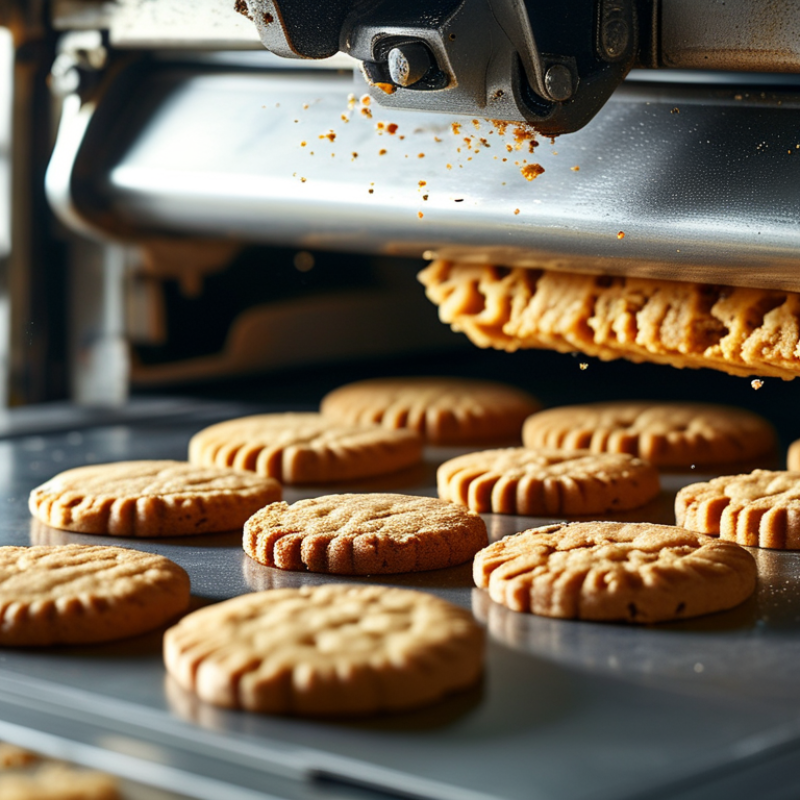
Overview of Biscuit Production Requirements
In the biscuit production industry, efficiency is key to meeting growing consumer demands. An industry report indicates that the global biscuit market is projected to reach $100 billion by 2025, driven by the increasing popularity of on-the-go snacks. This surge in demand means manufacturers must optimize their production processes. Equipment choices play a crucial role in this optimization.
Proper biscuit production requires machines that handle mixing, forming, baking, and packaging seamlessly. For instance, a well-designed biscuit machine can process dough up to 800 kg/hour. This capability ensures that production lines can operate efficiently without compromising product quality. However, maintaining consistency presents challenges. Variability in raw materials can affect the end product, leading to inconsistencies in texture and taste. Monitoring ingredient quality is essential for producing higher-quality biscuits.
Investing in the right technology can reduce waste and improve productivity. Advanced machinery can automate processes and minimize manual intervention, mitigating human error. These machines should also be easy to clean and maintain to comply with food safety standards. Thus, while selecting a biscuit machine is important, understanding the broader production requirements is equally vital for achieving long-term success.
Types of Biscuit Machines Available in the Market
Biscuit machines come in various types, each designed to enhance production efficiency. The market offers three main categories: rotary, continuous, and batch machines. Rotary biscuit machines are known for their high-speed output. They can produce thousands of biscuits per hour, making them suitable for large-scale operations. A report by the International Food and Beverage Industry estimated that rotary machines account for approximately 40% of the total market share in biscuit production.
Continuous machines are another option, featuring an uninterrupted production process. They are efficient for long runs and can reduce labor costs significantly. However, they require regular maintenance. Data indicates that continuous machines have a production rate that can be as high as 2,000 kg/hour. Yet, these machines may fall short for smaller operations, where flexibility is crucial.
Batch machines, while less common, serve a distinct purpose. They allow for varied biscuit shapes and sizes. This type is often favored for artisanal or specialty biscuits, where consistency can be challenging. According to industry reports, the demand for batch machines has grown by 15% as consumer preferences shift toward unique and diverse biscuit offerings. While both rotary and continuous machines excel in efficiency, batch machines highlight the need for customizability in production. Each type comes with trade-offs, requiring careful consideration based on business needs.
Best Biscuit Machine for Efficient Biscuit Production
This chart illustrates the production efficiency of various types of biscuit machines available in the market. The data indicates the number of units that can be produced per hour by each machine type, showcasing the capabilities of automated options like the Automatic Roller and Depositor in comparison to traditional methods.
Key Features to Consider When Choosing a Biscuit Machine
When selecting a biscuit machine, consider key features that enhance production efficiency. A well-designed machine should have adjustable speed settings. This allows for varying production rates based on demand. According to industry reports, optimal speed can improve output by up to 30%. However, not all machines provide this flexibility.
Material quality is another critical aspect. Machines made from stainless steel are preferred for their durability. They resist corrosion and require less maintenance. A study indicated that maintaining a high-quality machine can result in a 20% reduction in downtime. This is crucial for consistent production flow.
[Image] Automation features are becoming more essential. Machines equipped with sensors can detect faults and adjust accordingly. This reduces the risk of human error during production. Still, full automation can lead to over-reliance. It’s important to balance technology with skilled operators to ensure optimal performance and quality control. A thoughtful approach to these features can lead to better decision-making in biscuit production.
Efficiency and Cost-effectiveness in Biscuit Production
In the competitive world of biscuit production, efficiency and cost-effectiveness are paramount. An effective biscuit machine can streamline processes and significantly reduce waste. Choosing a machine that offers multifunctionality can enhance production while minimizing costs. A well-designed machine will expedite mixing, sheeting, and cutting, ensuring consistent quality in every batch.
Tips: Regular maintenance is essential. This not only prolongs the life of the machine but also ensures optimal performance. Keeping the machine clean prevents contamination, which can be costly in terms of product recalls. Schedule routine checks to address any minor issues before they escalate.
Investing in automation can lead to greater efficiency. Automated systems reduce human error and improve accuracy. However, it's crucial to balance automation with manual oversight to maintain quality standards. Some machines may initially seem expensive, yet their long-term benefits often justify the investment. Always evaluate your production needs carefully.
Consider how adaptable a machine is to different biscuit types and sizes, as flexibility can significantly influence your production capacity.
Maintenance and Best Practices for Biscuit Machinery
Maintaining biscuit machinery is crucial for efficient production. Regular inspections help identify issues early. For instance, check the alignment of mixers and ovens. Misalignment can lead to uneven baking, affecting the final product. Lubrication is essential as well. It reduces friction and extends the life of machine components. Use appropriate lubricants to avoid damaging sensitive parts.
Routine cleaning is often overlooked. Debris can accumulate and clog systems, impairing performance. Schedule cleaning after shifts to maintain high hygiene standards. Operators should be trained to spot mechanical wear. Small tears in conveyor belts can lead to larger problems. Encourage a culture of vigilance. Operators should report any unusual noises or vibrations.
Having a detailed maintenance log is beneficial. It provides insight into machine performance over time. This data helps operators make informed decisions about repairs and upgrades. However, tracking can be tedious. Not everyone enjoys writing reports. Still, the effort pays off in improved productivity. Encourage feedback from operators on maintenance practices. This can lead to innovative solutions to common problems.
Best Biscuit Machine for Efficient Biscuit Production? - Maintenance and Best Practices for Biscuit Machinery
| Machine Type | Production Capacity (batches/hour) | Power Consumption (kW) | Maintenance Frequency (months) | Key Features |
| Semi-Automatic Biscuit Machine | 200 | 5 | 6 | Cost-effective, easy to operate |
| Fully Automatic Biscuit Machine | 500 | 10 | 12 | High capacity, less labor-intensive |
| Rotary Biscuit Machine | 300 | 6 | 9 | Uniform baking, versatile mold design |
| Confectionery Biscuit Machine | 250 | 7 | 8 | Multi-function, high precision |
| Cookie Depositor Machine | 200 | 4 | 5 | Customizable designs, easy maintenance |