2026 Best Belt Conveyor Solutions for Global Buyers?
In the rapidly evolving landscape of industrial logistics, belt conveyors have emerged as essential solutions for efficient material handling. According to a recent industry report by MarketsandMarkets, the global belt conveyor market is projected to reach USD 7.9 billion by 2026, reflecting a compound annual growth rate (CAGR) of 4.9%. This growth is driven by increasing demand across sectors like manufacturing, mining, and logistics.
Belt conveyors are prized for their versatility and reliability. They facilitate the smooth transport of bulk materials over varying distances. However, not all belt conveyor systems are created equal. Selection involves intricate considerations such as load capacity and operational environment. Despite their advantages, companies must stay aware of potential maintenance challenges. Improperly maintained belts can lead to inefficiencies and operational disruptions.
As global buyers seek out the best belt conveyor solutions, understanding these dynamics becomes imperative. Matching the right technology to specific operational needs can significantly impact productivity and cost-effectiveness. A thorough assessment of market offerings and an awareness of each system's strengths and weaknesses are crucial steps for businesses aiming to thrive in this competitive environment.
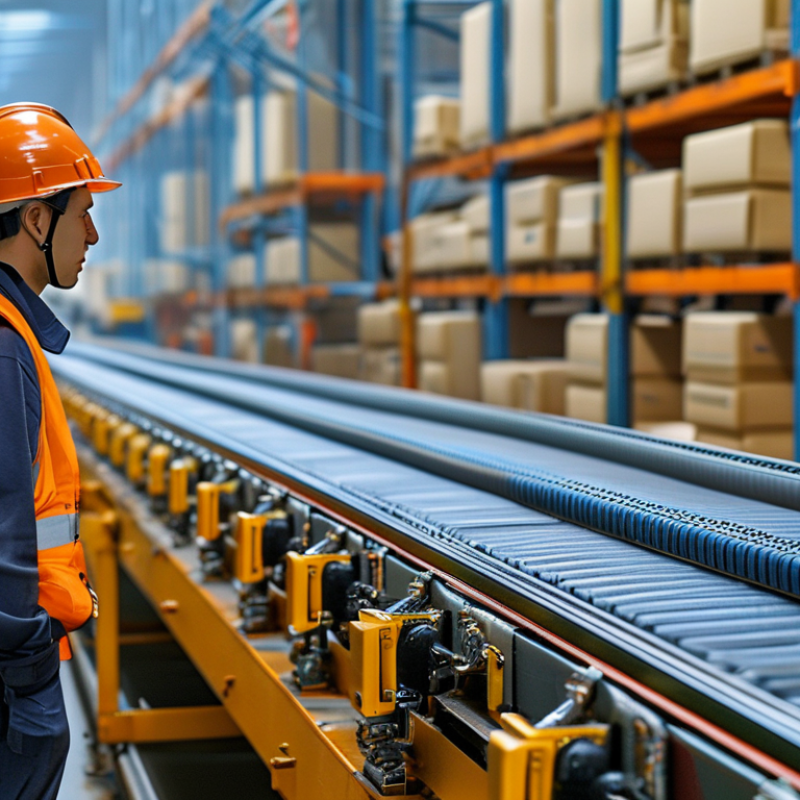
2026 Overview of Belt Conveyor Systems in Global Supply Chain Management
The global supply chain management landscape is evolving rapidly, and belt conveyor systems play a pivotal role in this transformation. According to industry reports, the global conveyor systems market is projected to reach approximately $8 billion by 2026, indicating a robust demand for efficient logistics solutions. Modern belt conveyor systems enhance productivity and reduce operational costs, making them essential in warehouses and distribution centers.
Data shows that about 70% of companies are now investing in automation technologies, including belt conveyors, to streamline processes and improve efficiency. These systems can handle various goods, including containers, pallets, and bulk materials. However, there are challenges. Integration with existing systems can be complex, and companies often face difficulties in customizing conveyors to meet specific needs.
Moreover, not all belt conveyors are designed for every environment. For instance, moisture and extreme temperatures can affect performance. Inadequate maintenance can lead to increased downtime, resulting in lost revenue. Attention to these flaws is important for companies striving for seamless supply chain operations. Reliable solutions must be both efficient and adaptable. This dual requirement lays the foundation for future innovations in conveyor technology.
Key Features and Technologies in Modern Belt Conveyor Solutions for Efficiency
The modern belt conveyor systems are pivotal in enhancing industrial efficiency. Key features include advanced materials, automation, and energy-efficient designs. According to a recent report by Mordor Intelligence, the global conveyor systems market is projected to grow at a CAGR of 4.5% by 2026. This growth emphasizes the industry's shift towards more sustainable and efficient practices.
A notable technology is the integration of IoT sensors. These sensors collect real-time data, allowing for predictive maintenance. This proactive approach reduces unplanned downtimes and enhances productivity. Many facilities report a 20-30% increase in operational efficiency after implementing such technologies.
**Tip:** Regularly monitor your conveyor systems for signs of wear. Small issues can lead to significant failures if not addressed.
Moreover, modular conveyor designs are gaining traction. They allow for easy reconfiguration, tailoring to specific production needs. However, not all operations may benefit from these flexible solutions. Some may find traditional systems more reliable for their specific contexts.
**Tip:** Assess the unique needs of your operations before upgrading. Not every technology fits every environment perfectly.
2026 Best Belt Conveyor Solutions: Key Features Comparison
Market Trends: Growth Projections and Regional Demands for Belt Conveyors
The demand for belt conveyors continues to rise globally, driven by various market trends. Industries such as manufacturing, logistics, and mining are increasingly relying on these systems for efficiency and productivity. The growth projections indicate a robust increase in installation rates due to infrastructure development and automation. Emerging economies are particularly notable, as they invest heavily in improving their supply chain efficiency.
Regional demands vary significantly. In North America, a focus on technological advancement is reshaping conveyor systems. Meanwhile, Asia-Pacific markets show a sharp rise in the adoption of belt conveyors for bulk handling. The rising middle class in these regions is contributing to this surge. However, challenges exist, such as supply chain disruptions and fluctuating raw material costs. These factors require careful consideration from global buyers.
Innovation in materials and design is crucial. Lightweight belts are in demand for energy efficiency. Yet, there’s a need for thorough testing and quality assurance. Reliability remains a key concern, as poorly designed systems can lead to costly downtimes. Manufacturers may sometimes overlook these aspects in the quest for cost reduction. A critical approach is necessary to balance performance with affordability.
Comparative Analysis of Leading Manufacturers and Their Product Offerings
When exploring the best belt conveyor solutions for global buyers in 2026, it’s essential to understand the competitive landscape. Various manufacturers offer distinct product lines, each with unique features that cater to diverse industries. A comparative analysis reveals that some focus on high durability, while others prioritize efficiency and innovation. These differences can significantly impact operational performance.
Leading manufacturers often showcase advanced materials and technologies. For example, some use lightweight yet robust polymers. This choice enhances not only efficiency but also reduces energy consumption. However, factors like maintenance and long-term reliability are sometimes overlooked. Buyers may encounter issues if they prioritize initial cost over these aspects.
Additionally, customer support varies widely among providers. Some offer excellent after-sales service, while others may fall short. This variability is critical when making purchasing decisions. A well-rounded evaluation of these features, including user reviews and expert recommendations, is vital. Buyers should not rush their choices and carefully consider long-term implications.
2026 Best Belt Conveyor Solutions for Global Buyers
| Manufacturer | Conveyor Type | Max Load (kg) | Belt Width (mm) | Speed (m/s) | Price Range (USD) |
| Manufacturer A | Modular Belt | 200 | 300 | 1.5 | 2000 - 5000 |
| Manufacturer B | Roller Bed | 500 | 400 | 1.2 | 3000 - 8000 |
| Manufacturer C | Wire Mesh | 150 | 250 | 0.8 | 1000 - 4000 |
| Manufacturer D | Belt Type | 250 | 500 | 1.0 | 1500 - 6000 |
| Manufacturer E | Inclined Belt | 300 | 600 | 1.7 | 2500 - 7000 |
Sustainability Initiatives in Belt Conveyor Design and Operations for 2026
In 2026, sustainability will play a critical role in belt conveyor design and operations. Companies are increasingly adopting environmentally-friendly practices. A recent study revealed that 40% of organizations prioritize energy efficiency in conveyor systems. This push for sustainability helps reduce operational costs and decreases carbon footprints.
Integrating renewable energy sources into conveyor systems can lead to significant gains. For example, using solar power can offset energy costs by up to 30%. However, the initial investment in such technologies can be a hurdle for many firms. They often face challenges in balancing cost with long-term benefits.
Moreover, the choice of materials is vital. Innovative designs use recycled and biodegradable materials. This transition is not without its complexities. Achieving the right balance between durability and sustainability remains a persistent challenge. As the industry moves forward, continuous adaptation and learning are essential for effective implementation.