Top 10 Benefits of Industrial Automation for Businesses
Industrial automation is transforming the way businesses operate. According to a report by McKinsey, companies implementing automation have seen productivity increases of up to 30%. This significant shift is reshaping production lines and dramatically altering operational efficiency. As technology advances, reliance on human labor decreases, pushing industries toward smarter systems.
Many organizations have reported reduced operational costs after embracing industrial automation. A study by Deloitte found that automation could reduce costs by up to 20%. However, not all transitions are smooth. Some businesses face challenges in training staff or integrating new technologies. A poorly executed automation strategy can lead to disruptions and unforeseen issues. Companies must reflect on their unique needs when adopting these strategies.
The benefits of industrial automation are noteworthy, yet caution is required. Success isn’t guaranteed without careful planning and execution. Balancing technology with human capabilities is crucial. As industries evolve, the path to automation must tread carefully between innovation and operational stability.
Advantages of Enhanced Productivity Through Industrial Automation
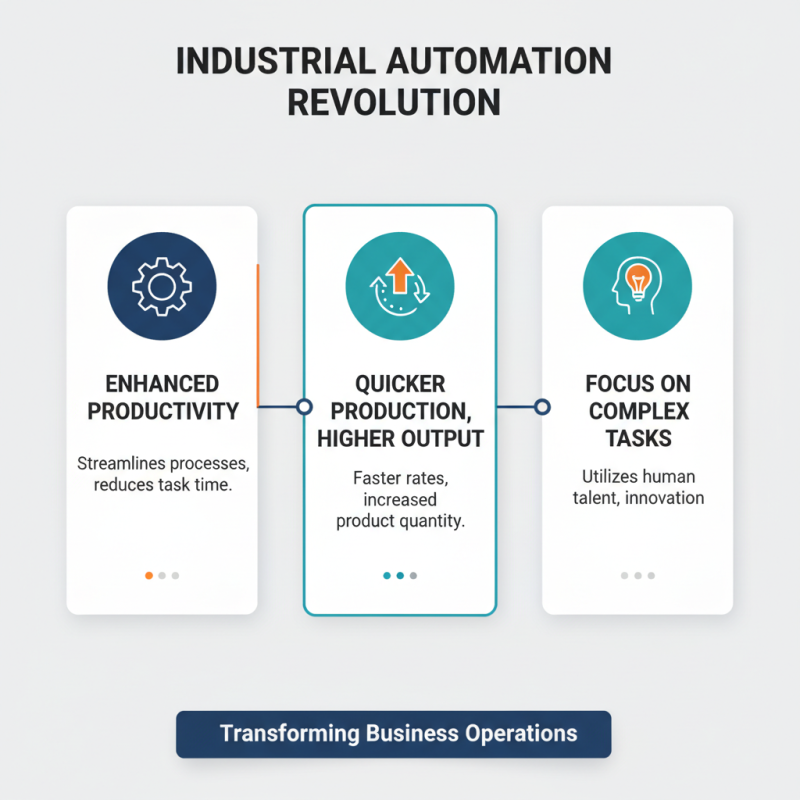
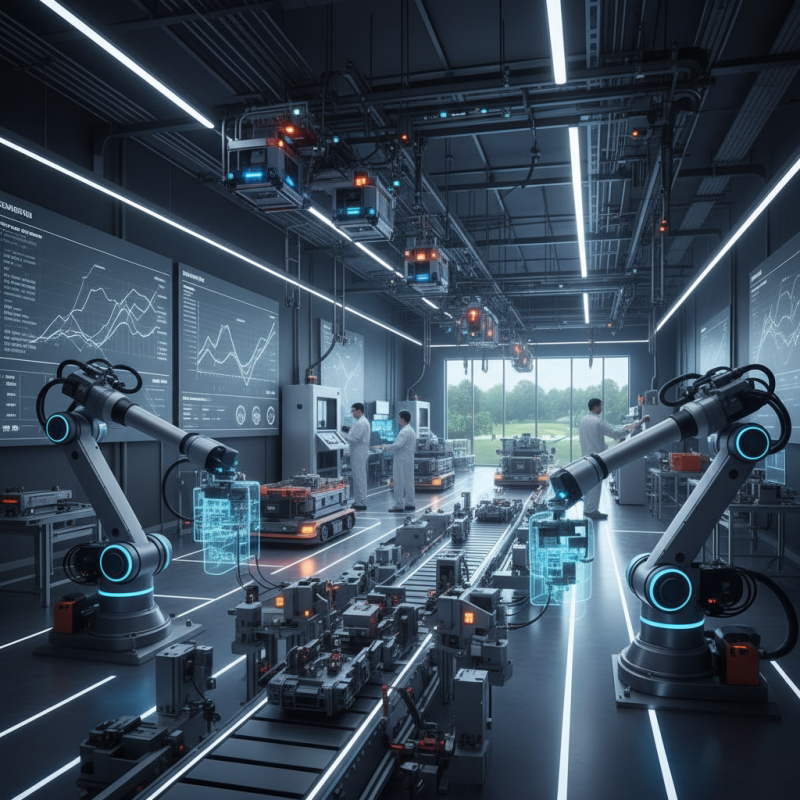
Industrial automation revolutionizes the way businesses operate. Enhanced productivity is one of its main advantages. Automated systems streamline processes, reducing the time taken for tasks. This leads to quicker production rates and higher output. When machines handle repetitive tasks, workers can focus on more complex issues. The shift allows for better use of human talents.
However, the transition to automation is not without challenges. Clear strategy and training are necessary. Employees may feel uncertain about job security. This can breed resistance to change. Companies need to communicate the benefits effectively. Engaging staff in the automation journey can foster acceptance. Ultimately, balancing automated systems with human input is crucial for maximum effectiveness. Different industries may experience varying impacts, and ongoing evaluation is vital.
Reduction of Operational Costs: Analyze the Financial Impact
Industrial automation significantly impacts operational costs for businesses. By automating repetitive tasks, companies can reduce labor expenses. The shift from manual work to machines allows employees to focus on higher-value activities. However, initial investments in automation can be daunting. Businesses may hesitate due to high upfront costs. Yet, the long-term savings often outweigh these initial expenditures.
Another factor is maintenance costs. Automated systems require regular upkeep, which can be a hidden expense. Companies might underestimate the financial commitment needed for repairs and updates. Additionally, the risk of system failures can temporarily halt production, leading to lost revenue. Organizations must evaluate the trade-offs between automation and potential disruptions.
Despite these challenges, the financial gains from reduced labor and improved efficiency are compelling. Companies can analyze production data to identify bottlenecks. This data-driven approach uncovers ways to optimize processes. Ultimately, understanding both financial benefits and hidden costs is crucial when considering industrial automation. Companies must reflect on their unique situations to make informed decisions.
Top 10 Benefits of Industrial Automation for Businesses - Reduction of Operational Costs: Analyze the Financial Impact
| Benefit |
Estimated Reduction in Operational Costs (%) |
Potential Annual Savings ($) |
Return on Investment (ROI) |
| Labor Cost Reduction |
20% |
$200,000 |
150% |
| Increased Efficiency |
25% |
$300,000 |
200% |
| Decreased Waste |
15% |
$150,000 |
120% |
| Inventory Management |
10% |
$100,000 |
130% |
| Predictive Maintenance |
18% |
$180,000 |
145% |
| Improved Quality Control |
12% |
$120,000 |
115% |
| Energy Savings |
8% |
$80,000 |
110% |
| Faster Time-to-Market |
10% |
$100,000 |
125% |
| Scalability |
22% |
$220,000 |
160% |
| Enhancing Customer Satisfaction |
30% |
$300,000 |
210% |
Improvement in Quality Control and Consistency with Automation
Automation significantly enhances quality control and consistency within industrial operations. By minimizing human errors, machines produce goods with higher precision. For instance, a robot can assemble parts with exact measurements each time. This leads to fewer defects in production. Consistent quality builds trust and satisfaction among customers. Over time, this can improve brand loyalty.
Tips: Regularly evaluate your automation processes. Small tweaks can yield great results. Engage your team in discussions about potential improvements. Their insights might highlight areas needing attention.
Automation also requires attention to maintenance and updates. Outdated machines can struggle with quality control. Monitor systems for wear and tear. Addressing issues promptly prevents larger disruptions later. Remember, perfecting automation is an ongoing journey.
Increased Safety Measures in Industrial Environments Post-Automation
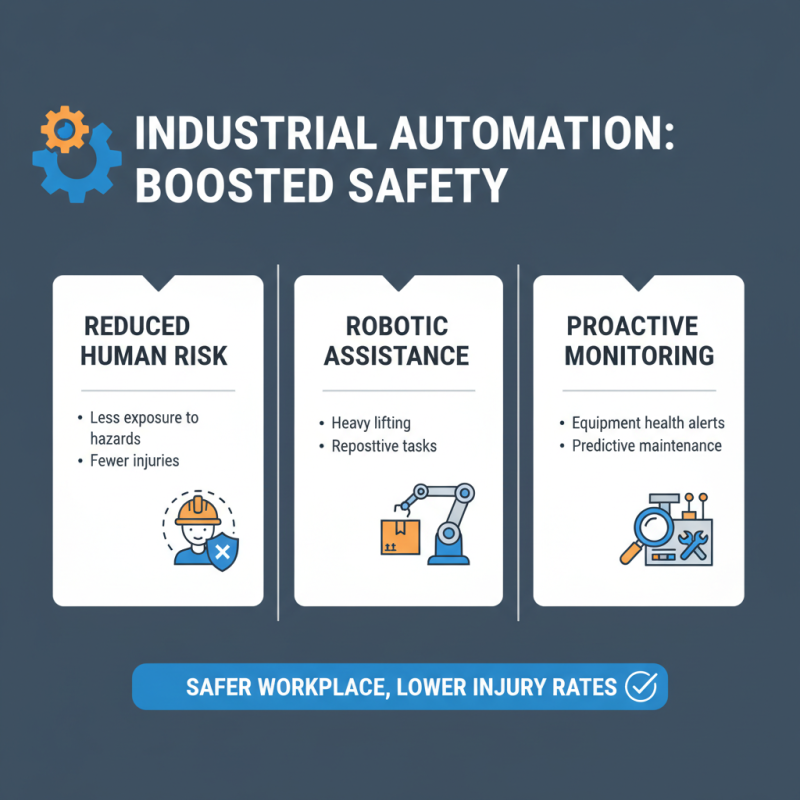
Industrial automation significantly enhances safety measures in workplaces. Workers face numerous hazards in industrial environments daily. Automation reduces human involvement in high-risk tasks, lowering injury rates. For example, robotic arms can handle heavy lifting, minimizing muscle strain. Automated systems can also monitor equipment, alerting staff to potential failures before they become critical.
Despite the advantages, complete reliance on automated systems raises concerns. Machines can malfunction or require improper programming, leading to dangerous situations. Additionally, workers may become too comfortable, neglecting safety protocols. A balance must be struck between technology and human oversight. Regular training in safety procedures remains essential, even in automated settings.
Enhanced safety post-automation offers peace of mind. Reducing workplace accidents saves money and improves morale. However, it is crucial to remember that automation is not a panacea. Continuous assessment of automated systems and worker training is necessary to maintain safety standards. Finding the right blend of technology and human vigilance is key.
Scalability and Flexibility of Operations Enabled by Automation Technology
Automation technology plays a crucial role in enabling scalability and flexibility in operations. Businesses can quickly adjust production levels to meet changing demands. For example, a factory can increase output with minimal downtime. This responsiveness is vital in today's fast-paced market.
Flexibility in operations also means adapting to new product lines. Companies can reconfigure equipment without extensive retraining. This allows for swift transitions between different manufacturing processes. However, this adaptability comes with challenges. Staff may need time to adjust to new technologies. Clear communication during transitions is essential to minimize disruptions.
Investing in automation does require careful planning. Companies must assess their current systems thoroughly. Not all automation solutions fit every business model. A one-size-fits-all approach may lead to inefficiencies. Continuous evaluation and feedback are necessary to optimize the benefits of automation.