What are the Benefits of Conveyor Systems in Industries?
In the modern industrial landscape, efficiency is key. Conveyor systems play a pivotal role in enhancing productivity. They transport materials seamlessly, allowing for a smoother workflow. This leads to reduced labor costs and shorter production times.
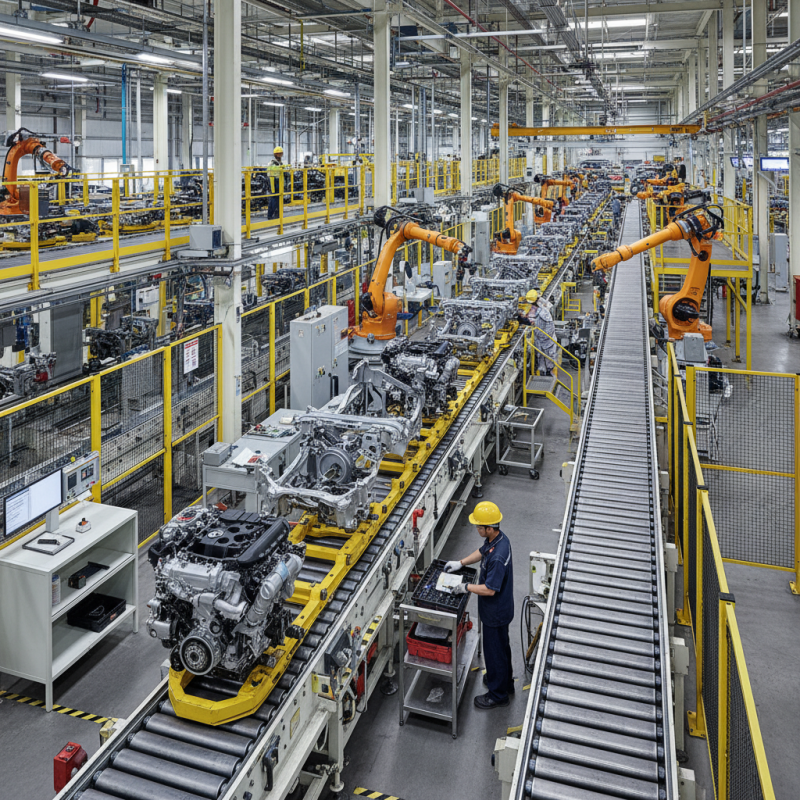
Consider the automotive industry, where conveyor systems move components quickly. This reduces the chance of bottlenecks. Workers can focus on assembly rather than moving parts. However, maintenance of these systems is crucial. A breakdown can disrupt operations, highlighting the need for regular checks.
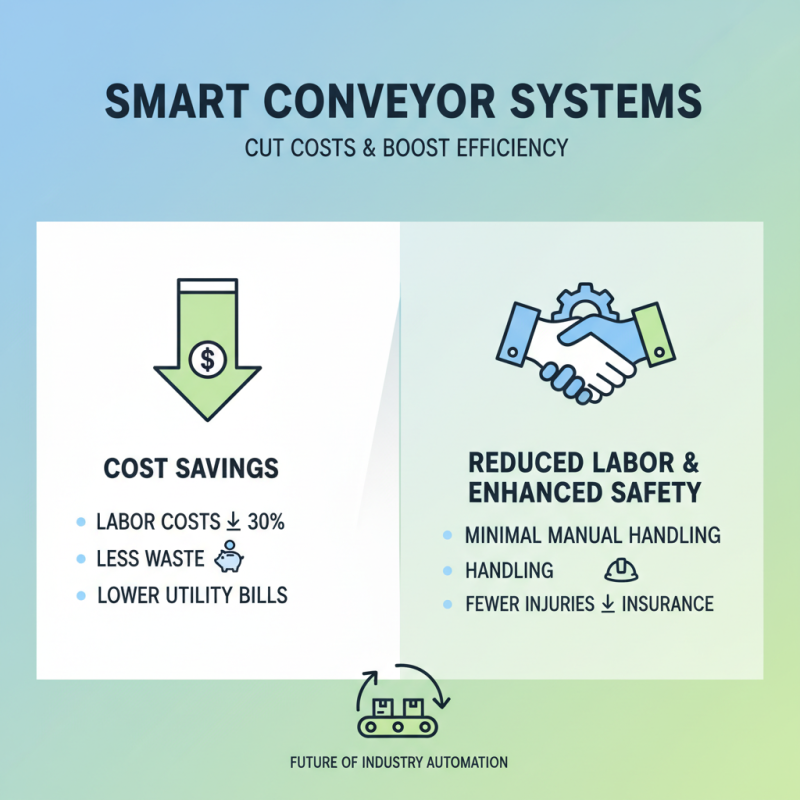
Conveyor systems can improve safety as well. They minimize manual handling, reducing injury risks. Yet, improper design can pose hazards, reminding us to invest in thoughtful solutions. Overall, the advantages of conveyor systems in industries are significant, yet they require careful implementation and oversight.
Overview of Conveyor Systems and Their Applications in Industries
Conveyor systems are essential in various industries, including manufacturing, warehousing, and logistics. These systems enhance the efficiency of material handling, allowing for seamless transportation of goods. Reports suggest that companies utilizing conveyor systems can increase productivity by up to 20%. This boost occurs mainly due to reduced manual labor and minimized transport delays.
In manufacturing plants, conveyor systems move parts through assembly lines quickly. This flow of materials ensures workers can focus on more complex tasks. According to the Material Handling Industry of America, over 80% of manufacturing firms rely on some form of conveyor technology. However, challenges like maintenance costs and the need for regular upgrades require reflection and planning.
**Tip:** Regularly inspect your conveyor systems to prevent breakdowns. A well-maintained system reduces downtime and saves costs in the long run.
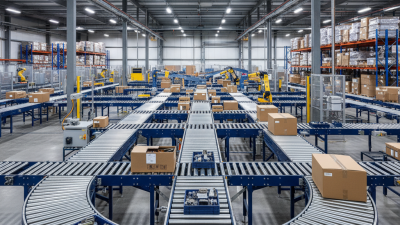
In warehousing, automatic conveyor systems allow for efficient inventory management. They help sort and distribute products swiftly. The rise of e-commerce has increased the demand for these systems, as fulfillment centers strive to meet fast delivery timelines. However, the initial setup can be expensive and complex. Companies must consider whether the investment aligns with their operational needs.
**Tip:** Always evaluate your conveyor system's layout. A poorly designed system can lead to bottlenecks and inefficiencies.
Cost Savings and Reduced Labor Requirements with Conveyor Systems
Conveyor systems are revolutionizing industries with their efficiency. One of the most significant benefits is cost savings. According to a recent industry report, companies can reduce labor costs by up to 30% when integrating conveyor systems into their operations. These systems minimize the need for manual handling, which often leads to fewer workplace injuries and lower insurance premiums.
Additionally, reduced labor requirements free employees to focus on more strategic tasks. Instead of repetitive movements, workers can engage in quality control and project management. This shift not only increases productivity but also enhances job satisfaction. When employees are in safer roles, morale tends to improve.
Tip: Regular maintenance of conveyor systems is crucial. A well-maintained system prevents breakdowns and ensures continuous operation. Operations can lose thousands per hour due to downtime, so this is critical.
Another consideration is the initial investment. Conveyor systems can be expensive to install. However, analyzing long-term savings is essential. A company's return on investment generally comes within a few years. Implementing a conveyor system can lead to sustainability too. It can reduce waste and optimize the flow of materials.
Tip: Choose a system that fits specific needs. Not all conveyor systems are equal; customizing the design can yield better results.
Enhanced Safety Measures and Risk Reduction in Material Handling
Conveyor systems play a crucial role in enhancing workplace safety. They minimize manual handling, reducing the risk of injuries. When materials move automatically, fewer workers are needed to lift heavy items. This significantly lowers the chances of strains, sprains, and fatigue-related accidents often seen in warehouses and factories.
Moreover, conveyor systems improve the management of hazardous materials. By containing and transporting potentially harmful substances safely, they prevent spills and exposure. Workers can focus on their tasks without the constant worry of handling dangerous items directly. However, improper handling or occasional machine malfunction can still pose risks. It's essential to regularly inspect equipment to ensure safety measures are upheld.
Training workers on the use of conveyor systems is vital for minimizing errors. A well-informed team is less likely to make mistakes that could lead to hazardous situations. Routine safety drills should not be overlooked. They can help identify potential issues before they become serious. Despite the benefits, complacency can lead to accidents. Everyone should remain vigilant and proactive about safety.
What are the Benefits of Conveyor Systems in Industries? - Enhanced Safety Measures and Risk Reduction in Material Handling
| Feature |
Description |
Benefit |
| Automated Transportation |
Conveyor systems automate the transport of materials. |
Reduces manual handling injuries and fatigue. |
| Consistent Material Flow |
Ensures a steady and controlled flow of materials. |
Minimizes bottlenecks and increases productivity. |
| Modular Design |
Easily configurable to different layouts and needs. |
Allows for flexibility in operations and future expansions. |
| Safety Features |
Equipped with safety stops, guards, and sensors. |
Enhances worker safety and reduces accident rates. |
| Space Efficiency |
Can be designed to fit within limited spaces. |
Maximizes usable floor space for other operations. |
| Reduced Operational Costs |
Lowers labor costs associated with material handling. |
Increases overall operational efficiency and cost savings. |
Flexibility and Customization of Conveyor Systems for Various Needs
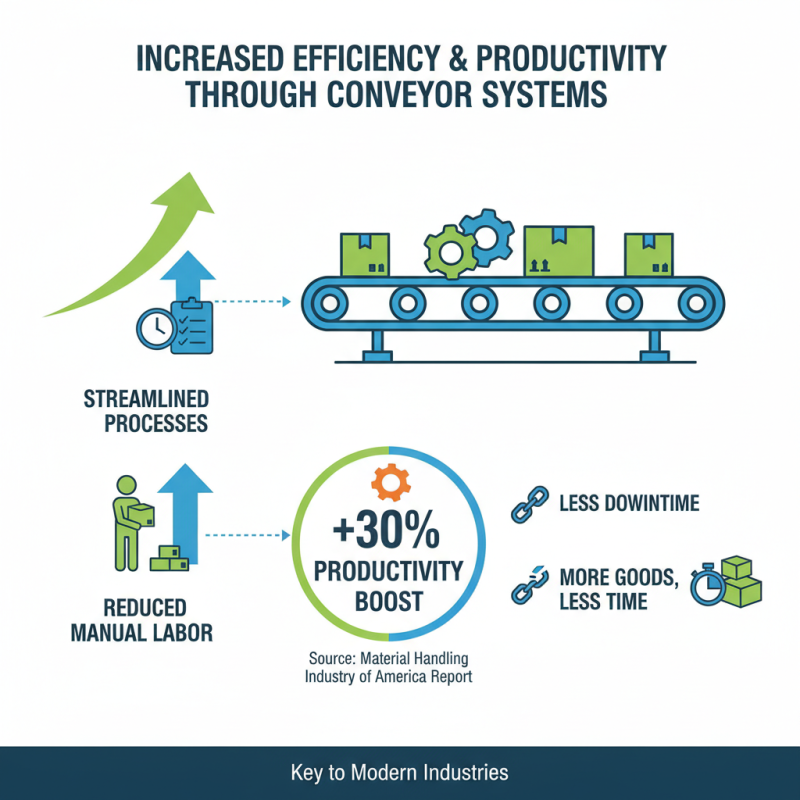
Conveyor systems have revolutionized industrial processes with their flexibility and customization. Many industries choose these systems to meet diverse operational needs. According to a recent study, conveyor systems can reduce labor costs by 25% while increasing productivity by as much as 30%. This efficiency is significant in sectors like manufacturing, logistics, and food processing.
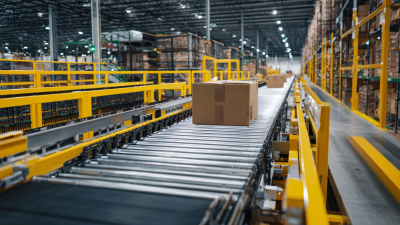
Customization is key. Different industries require unique conveyor designs to handle various materials. For instance, roller conveyors cater to heavy items, while belt conveyors suit fragile goods. This adaptability creates a seamless workflow. However, the complexity of designing custom systems can lead to potential pitfalls. Companies must assess their requirements carefully to avoid costly mistakes.
Tip: Always map out your workflow before selecting a conveyor system. Understanding the specific needs of your operation is crucial. Regularly review your conveyor system's performance too. This helps identify areas for improvement and maintain efficiency. Constant monitoring can highlight necessary adjustments before problems escalate. Investing in the right conveyor system can yield substantial benefits, but it requires thoughtful consideration and ongoing assessments.
Benefits of Conveyor Systems in Industries