What Are the Benefits of Automated Packaging Solutions?
In today’s fast-paced manufacturing world, automated packaging solutions are revolutionizing the industry. Renowned expert and packaging consultant Jane Doe once stated, "Automated packaging isn't just a trend; it’s a necessity for efficiency." Her insight underscores the growing importance of this technology in various sectors.
Automated packaging streamlines processes, increasing speed and accuracy. Companies can minimize human error and reduce labor costs. For example, a beverage manufacturer reported a 30% increase in output after integrating automated systems. These solutions not only optimize production but also enhance safety in the workplace by reducing manual handling.
Despite these advantages, some businesses hesitate to adopt automated packaging. Concerns about initial costs and the complexity of implementation persist. It’s vital for companies to weigh these factors carefully. As the industry evolves, staying informed about the benefits of automated packaging will help businesses make informed decisions.
Benefits of Automated Packaging: Enhancing Efficiency in Production Lines
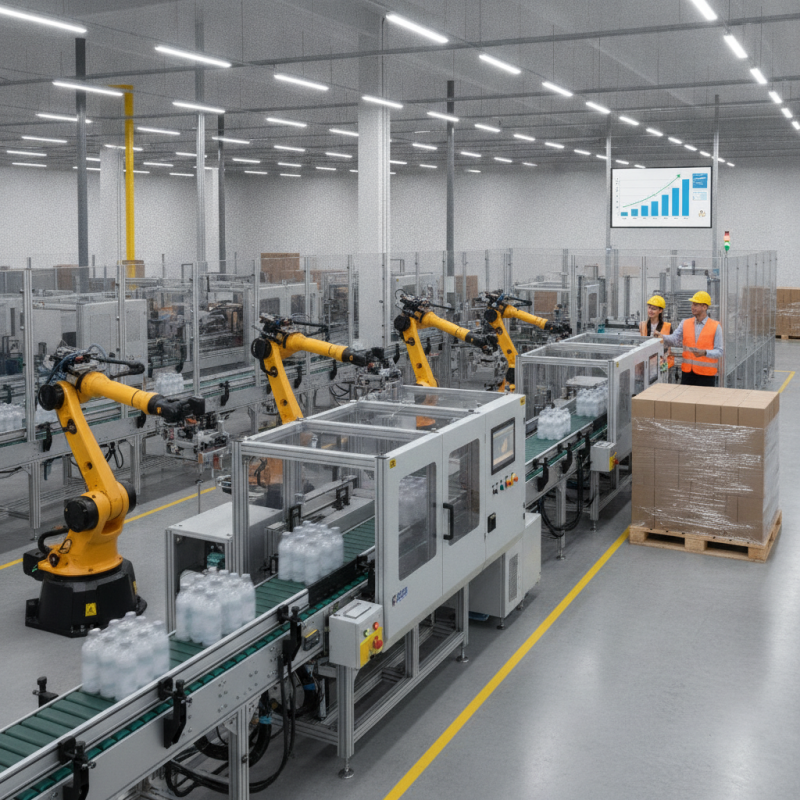
Automated packaging solutions have transformed production lines. They significantly enhance efficiency and reduce labor costs. By automating repetitive tasks, businesses can streamline operations. This leads to faster turnaround times for products.
One key benefit is precision. Machines handle packaging with great accuracy. This minimizes errors that can occur during manual processes. Reduced packaging waste results in lower costs. However, transitioning to automation can be challenging. Staff may require training to adapt to new technologies.
Another aspect is flexibility. Automated systems can be programmed for various packaging designs. This allows companies to quickly switch between products. Nonetheless, investing in these technologies requires careful planning. Companies must weigh the initial costs against long-term savings. Proper implementation is crucial to reap the rewards.
Benefits of Automated Packaging Solutions
This chart illustrates the various benefits of automated packaging solutions. Significant improvements can be observed in efficiency, cost reduction, consistency, safety, and production speed, making automated packaging a valuable investment for production lines.
Cost Savings through Automated Packaging Solutions: An Industry Perspective
Automated packaging solutions offer significant cost savings for various industries. By minimizing labor costs, companies can reallocate resources effectively. Automation reduces the need for manual labor. Workers can focus on more complex tasks. This shift leads to increased efficiency and productivity on the shop floor.
With automated systems, companies experience reduced material waste. Precise packaging minimizes excess, aligning with sustainability goals. For example, automated machines can cut and fold packaging with exact measurements. This precision not only saves costs but also enhances brand image in an eco-conscious market.
However, automatic solutions come with challenges. Initial investment in technology can be high. Companies must weigh short-term costs against long-term benefits. Training staff to operate new systems can be time-consuming. It's important for businesses to assess their unique needs before fully committing. A thoughtful approach can lead to sustainable savings and improved operations.
Improved Product Integrity: Reducing Damage Rates with Automation
Automated packaging solutions enhance product integrity significantly. With automation, companies can minimize human error, which is a key factor in product damage. Traditional packaging often involves manual steps that can lead to inconsistencies and careless handling. In contrast, automated systems use precision and consistency to ensure that every package is sealed, labeled, and secured correctly.
Consider the impact of reduced damage rates on logistics. When products are properly packaged, they are less likely to be damaged during transit. This reliability helps build customer trust. It also lowers costs associated with returns and replacements. However, automation is not without its challenges. Companies may face initial setup costs and require training. Adjusting to new systems can disrupt standard workflows temporarily.
Despite the hurdles, the benefits are clear. Automated packaging not only safeguards product integrity but also enhances productivity. Companies can fulfill orders faster, meet customer demands, and stay competitive. Improving product integrity through automation can lead to long-term success, although businesses must remain adaptable and open to refining their processes over time.
What Are the Benefits of Automated Packaging Solutions? - Improved Product Integrity: Reducing Damage Rates with Automation
| Benefit |
Description |
Impact on Damage Rates (%) |
Implementation Cost ($) |
| Consistency |
Automated systems ensure uniform packaging which minimizes human error. |
25 |
5,000 |
| Speed |
Automation increases packaging speed, supporting higher production rates. |
20 |
10,000 |
| Quality Control |
Automated systems can be equipped with sensors to detect packaging defects. |
30 |
7,500 |
| Reduction in Material Waste |
Efficient packaging techniques result in less material wastage. |
15 |
8,000 |
| Labor Cost Savings |
Reduced reliance on manual labor can lead to significant cost savings. |
35 |
12,000 |
Labor Savings: The Economic Impact of Automated Packaging on Workforce
Automated packaging solutions have become essential in various industries, offering significant labor savings. According to a report by the Packaging Machinery Manufacturers Institute, companies adopting automation have seen productivity increases of up to 30%. This is particularly relevant given today’s labor shortages and rising wage demands. Businesses can redirect labor to more skilled tasks while machines handle repetitive packaging tasks.
However, the transition to automated systems is not without challenges. Initial costs can be high, and workforce training is crucial. A study from the Food and Beverage Industry Association highlights that nearly 20% of employees need upskilling to work effectively alongside automated systems. This raises questions about employee engagement and job displacement. Companies must consider how to maintain morale while introducing these technologies.
Even with these challenges, the benefits often outweigh the drawbacks. For example, a client-focused approach to automation can lead to significant reductions in operational costs. Reports indicate that businesses can save up to 25% on labor costs. But with these savings, companies must still strategize how to effectively integrate human and machine labor to avoid alienation and keep workers invested in their roles. Balancing automation and workforce needs remains a complex but essential task.
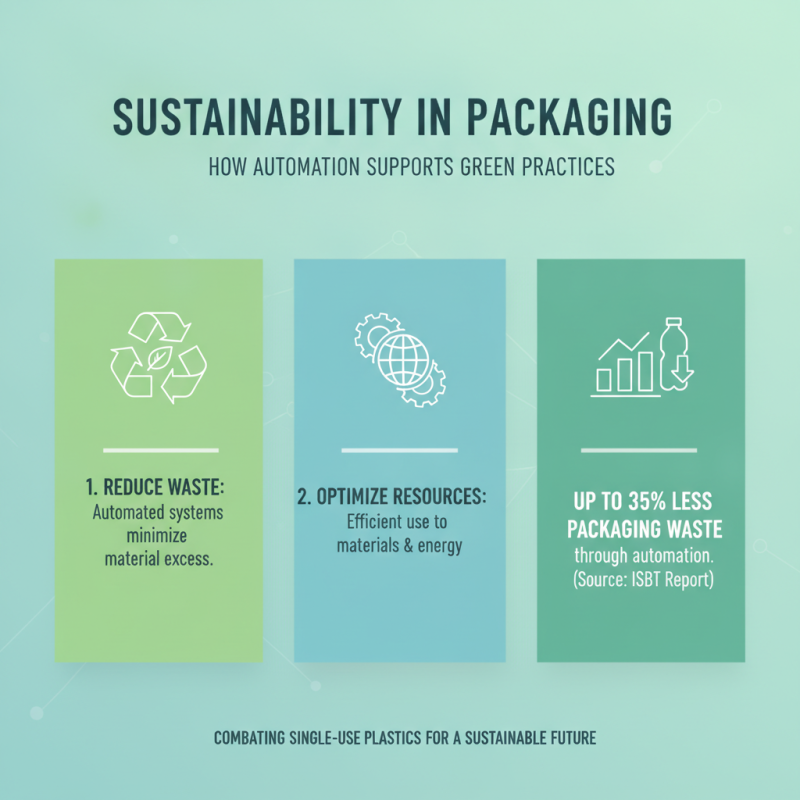
Sustainability in Packaging: How Automation Supports Green Practices
Automated packaging solutions are transforming industries by enhancing sustainability. These systems reduce waste and optimize resource use. According to a report by the International Society for Beverage Technologists, companies can cut packaging waste by up to 35% through automation. This is crucial as single-use plastics dominate the market, contributing to environmental challenges.
Automation streamlines the packaging process, ensuring materials are used more efficiently. This reduction in material usage supports green practices while saving costs. A study by Smithers Pira highlights that 61% of brands are prioritizing sustainable packaging. Automation plays a key role in achieving these goals, allowing for recycling processes that minimize environmental impact.
Tip: Regularly evaluate packaging materials to identify sustainable alternatives.
Companies are also focusing on energy efficiency. Automated packaging machines often consume less energy compared to traditional methods. Yet, transitioning to automation isn't without challenges. Initial costs can be high, and training staff may take time. Continuous improvement is vital in balancing sustainability with operational efficiency.
Tip: Consider gradual implementation to manage costs and enhance staff skills effectively.