Top Benefits of 3 Shot Injection Molding for Global Buyers
3 Shot Injection Molding is revolutionizing the manufacturing industry. With its unique ability to combine multiple materials in a single process, this technology enhances product functionality and aesthetics. According to a recent report by MarketsandMarkets, the injection molding market is projected to reach $341.2 billion by 2025, highlighting the growing demand for innovative techniques like 3 Shot Injection Molding.
Industry expert Dr. Emily Chen states, “3 Shot Injection Molding allows for precise control and multi-material integration, which is invaluable in today’s competitive market.” This process not only reduces production costs but also minimizes waste, aligning with sustainability goals. Global buyers are increasingly recognizing its potential to deliver complex designs while maintaining durability and quality.
As companies seek to stay ahead, adopting 3 Shot Injection Molding becomes crucial. However, challenges remain in mastering this technology. Companies must invest in training and equipment to fully realize its benefits. This innovation holds promise but requires careful consideration. The future of manufacturing hinges on integrating such advanced methods efficiently.
Key Advantages of 3 Shot Injection Molding
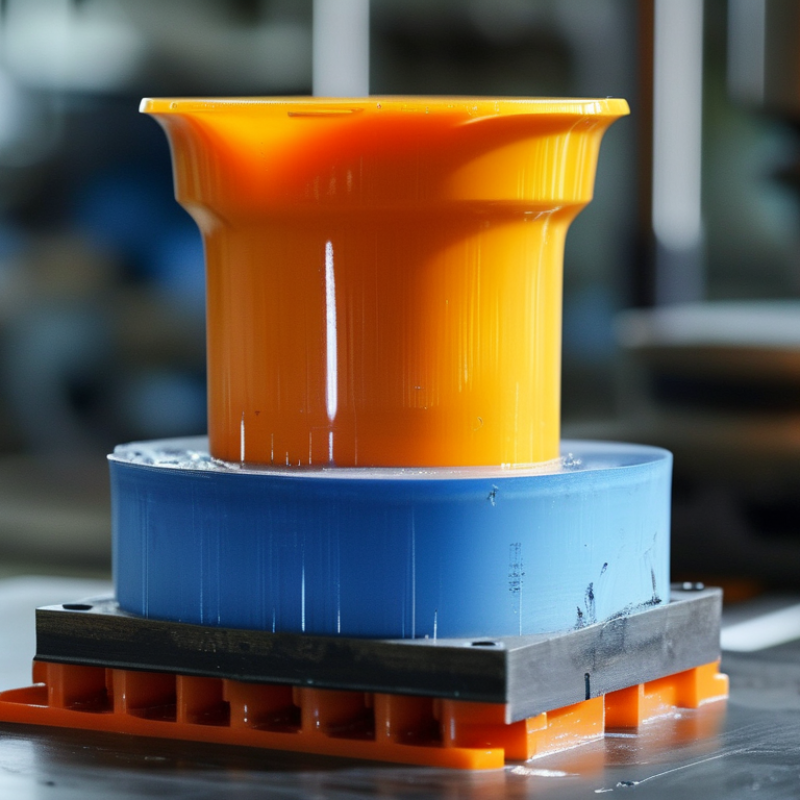
Three-shot injection molding offers distinct advantages for both manufacturers and buyers. By utilizing three different materials in one process, this technique enhances product design possibilities. It allows for the combination of hard and soft materials, creating parts that are both durable and comfortable. This flexibility is essential for industries such as automotive and consumer electronics.
The efficiency of three-shot molding can lead to significant cost savings. It reduces production time by minimizing the need for secondary operations. Consequently, firms can respond quicker to market demands. However, the setup for three-shot molding can be quite intricate. It requires specialized machinery and expertise, which may pose initial challenges for some manufacturers.
Moreover, the final product benefits from improved aesthetics and functionality. With the ability to mold complex geometries, products often have a more refined look. Importantly, ensuring consistent quality across all three materials can sometimes be a hurdle. Manufacturers must pay close attention to each layer’s compatibility. This is an area where continuous learning and adaptation can improve outcomes greatly.
Understanding the Process of 3 Shot Injection Molding
Three-shot injection molding is a specialized technique gaining traction among global manufacturers. This process allows for the creation of complex, multi-material parts with distinct features in one cycle. It combines different plastics, offering versatility in design and functionality. Each shot can use a different material, enhancing product characteristics. For instance, a hard outer shell can encase a softer core, providing both durability and comfort.
The process begins with a careful design phase. Engineers create precise molds to accommodate the three distinct materials. Then, the first shot injects the base material, forming the part’s structure. Subsequent shots introduce other materials, building layers that serve specific purposes. This method reduces material waste and shortens production time. However, it can be challenging. Misalignment in layers can lead to defects. Thorough testing and quality control are essential.
Despite its benefits, three-shot injection molding isn't without limitations. Technical complexity may increase costs and require specialized equipment. Manufacturers must weigh these factors carefully. The ongoing advancements in technology can mitigate some challenges, but full mastery of this process requires experience and expertise. As industries evolve, understanding the intricacies of three-shot injection molding will be crucial for success.
Cost Efficiency Compared to Traditional Molding Techniques
The cost efficiency of 3 shot injection molding is a game changer for global buyers. Traditional molding often requires expensive, extensive setups. This process limits production runs, adding to costs. In contrast, 3 shot injection molding simplifies production. Its ability to create complex parts in a single cycle reduces time and labor expenses significantly.
Buyers also benefit from lower material waste. Diversifying materials in one run means less scrap. This efficient approach helps businesses save money while minimizing environmental impact. Skilled technicians can adjust designs quickly, offering more flexibility. However, mastering this technology comes with its own challenges. Not every manufacturer may achieve the same precision or quality.
Mistakes can occur in execution. New users may find the learning curve steep. The financial savings are clear, but the path to achieving them requires investment in training. As global buyers consider this method, thorough research is essential. Understanding both the benefits and the potential obstacles is crucial.
Design Flexibility and Customization Opportunities
The realm of injection molding is ever-evolving, and the three-shot technique is leading the charge in design flexibility. It allows manufacturers to create intricate multi-material parts seamlessly. This process opens up diverse customization opportunities that can cater to unique market needs.
According to a report by the Plastics Industry Association, the injection molding market is expected to exceed $450 billion by 2025. This growth highlights the increasing demand for advanced manufacturing techniques. The ability to incorporate different materials in a single mold enhances product functionality. For example, tri-material designs can combine soft and hard components, offering superior performance.
One tip for buyers is to collaborate closely with manufacturers during the design phase. Engaging in open discussions can lead to innovative ideas that maximize the benefits of the three-shot molding process. Furthermore, consider the environmental impact of your material choices. Sustainable materials can enhance your brand’s reputation while fulfilling customers' eco-friendly preferences. Embracing these aspects may lead to more profound reflections on product design and manufacturing efficiency.
Top Benefits of 3 Shot Injection Molding for Global Buyers
Applications and Market Demand for 3 Shot Injection Molding
Three-shot injection molding presents unique advantages for various applications. This innovative approach allows manufacturers to combine multiple materials in a single process. It effectively caters to industries such as automotive, consumer goods, and electronics. These applications often demand lightweight yet durable components. Three-shot molding enhances performance by using distinct materials for different functions.
The global market for this technology is steadily growing. Many buyers seek efficient solutions that reduce production costs. The ability to create complex parts in one cycle boosts productivity. Additionally, the enhanced design flexibility appeals to designers and engineers. They can explore new shapes and functionalities without compromising on quality.
Challenges remain, however. Not all manufacturers have the capabilities for this specialized process. The need for advanced machinery and skilled workforce can be a barrier. Moreover, achieving precise material bonding is crucial for success. Continuous improvement and experimentation are essential to master this advanced technique.
Top Benefits of 3 Shot Injection Molding for Global Buyers
| Dimension | Details |
| Technique | 3 Shot Injection Molding |
| Key Benefits | Multi-material design, Enhanced aesthetics, Reduced assembly costs |
| Common Applications | Consumer goods, Automotive parts, Electronics housings |
| Market Demand Factors | Rising lightweight materials demand, Cost efficiency, Customization options |
| Geographic Demand | Global, with significant growth in North America and Asia |
| Projected Growth Rate | CAGR of 6% through 2030 |