Top 10 Automation Engineering Tips for Streamlining Your Workflow
In today's fast-paced technological landscape, the role of automation engineering has become increasingly critical for enhancing efficiency and productivity. As industries strive to reduce operational costs and improve workflow processes, implementing effective automation strategies is not just an option; it is a necessity. This article explores the top 10 automation engineering tips that can significantly streamline your workflow and transform the way you approach projects.
By leveraging the right techniques and tools, professionals in automation engineering can identify bottlenecks, minimize redundancies, and boost overall performance. The following tips will provide valuable insights into optimizing processes, whether you are working on complex systems integration or seeking to automate routine tasks. Emphasizing a proactive mindset and a keen understanding of automation principles, these strategies will empower engineers to enhance their operational capabilities and deliver superior results. Join us as we delve into these essential tips and unlock the full potential of automation engineering to elevate your workflow.

Understanding the Basics of Automation Engineering Principles
Automation engineering is a multifaceted field that centers around enhancing efficiency through systematic processes. At its core, the principles of automation engineering emphasize the significance of understanding both the technology behind automation and the workflows it seeks to improve. By studying the fundamentals, engineers can identify which tasks are ripe for automation and determine the appropriate tools and strategies to implement.
One of the key principles in automation engineering is the analysis of existing workflows. By breaking down tasks into individual components, engineers can pinpoint bottlenecks and redundancies that hinder productivity. This detailed observation allows for the design of targeted automation solutions that not only reduce manual labor but also streamline operations. Moreover, the integration of feedback mechanisms is essential, as it enables continuous improvement and adaptation of automated processes to meet changing demands.
Additionally, the importance of user-oriented design cannot be overstated. Automation should enhance the user experience rather than complicate it. By understanding the end-users' needs and challenges, engineers can create intuitive systems that facilitate smooth human-machine interaction. This approach not only boosts efficiency but also fosters collaboration between human operators and automated systems, ensuring a more seamless workflow overall.
Identifying Common Workflow Bottlenecks in Engineering Processes
Identifying workflow bottlenecks in engineering processes is essential for enhancing productivity and efficiency. Common bottlenecks often arise from communication gaps among team members, leading to misunderstandings and delays. For example, when engineers do not have clear visibility into project requirements or changes, it can result in redundant work or misaligned objectives. Implementing collaborative tools and regular check-ins can help ensure everyone is on the same page, thus reducing these communication-related bottlenecks.
Another prevalent issue is the lack of standardized procedures. When engineers navigate through varying methodologies and practices, it can cause inconsistencies in outputs and slow down the overall workflow. Establishing clear guidelines and frameworks for commonly recurring tasks can mitigate confusion and enhance workflow efficiency. Additionally, leveraging automation tools for repetitive tasks can significantly reduce the time spent on manual interventions and free up engineers to focus on more strategic initiatives. Recognizing and addressing these bottlenecks is crucial for streamlining engineering processes and fostering a more productive work environment.
Top 10 Automation Engineering Tips for Streamlining Your Workflow
| Tip Number |
Automation Tip |
Description |
Common Bottleneck Addressed |
| 1 |
Implement CI/CD |
Use Continuous Integration and Continuous Deployment to automate testing and deployment. |
Slow Deployment Times |
| 2 |
Use Version Control |
Adopt a version control system to manage code changes effectively. |
Code Conflicts |
| 3 |
Automate Documentation |
Use tools that automatically generate and update documentation from code comments. |
Outdated Documentation |
| 4 |
Integrate Monitoring Tools |
Set up monitoring for your applications to catch issues early. |
Performance Issues |
| 5 |
Utilize Code Quality Tools |
Incorporate tools that check for code quality and maintainability. |
Technical Debt |
| 6 |
Encourage Team Collaboration |
Foster an environment that promotes communication and collaboration among team members. |
Fragmented Communication |
| 7 |
Implement Agile Methodologies |
Adopt Agile practices for better flexibility and responsiveness to changes. |
Rigid Processes |
| 8 |
Regular Training Sessions |
Conduct training sessions to keep the team updated with the latest tools and technologies. |
Skill Gaps |
| 9 |
Code Review Practices |
Implement regular code reviews to improve code quality and share knowledge. |
Inconsistent Code Quality |
| 10 |
Leverage Automation Scripts |
Write scripts to automate repetitive tasks in the workflow. |
Manual Processes |
Implementing Effective Automation Tools for Enhanced Efficiency
Implementing effective automation tools is essential for enhancing efficiency in engineering workflows. By integrating automation into repetitive tasks, engineers can reduce manual errors and free up valuable time to focus on more complex and creative challenges. Selecting the right tools involves understanding the specific needs of a project, whether that's enhancing communication, managing data, or streamlining project management processes. A well-chosen automation tool will not only save time but also improve the overall quality of work.
Another critical aspect involves training and support for team members to ensure they can effectively utilize these automation tools. Regular training sessions and resource sharing can empower teams to leverage technology efficiently. Furthermore, encouraging feedback from team members about their experiences with automated processes can help identify areas for improvement. By fostering a culture of innovation and continuous learning, organizations can fully realize the benefits of automation, leading to higher productivity and smoother workflows.
Best Practices for Integrating Automation into Existing Systems
Integrating automation into existing systems can significantly enhance efficiency and productivity in engineering workflows. One of the best practices for achieving this is to conduct a thorough analysis of the current system. Understanding the workflow, identifying bottlenecks, and pinpointing repetitive tasks will provide a clear foundation for where automation can make the most impact. Engaging with team members who are directly involved in these processes can offer valuable insights into the challenges they face, ensuring that the automation solutions implemented align with their needs and expectations.
Once the areas for automation have been identified, it's essential to streamline the integration process. Start with small-scale pilot projects that allow for testing and refinement of the chosen automation tools. This iterative approach not only minimizes risks but also facilitates easier adjustments based on feedback from users. Furthermore, ensuring robust training and support for team members during the transition to automated processes is vital. By fostering a collaborative environment where employees feel equipped and informed, organizations can create a smoother transition and achieve greater overall acceptance of the new automated systems.
Monitoring and Evaluating the Impact of Automation on Workflow
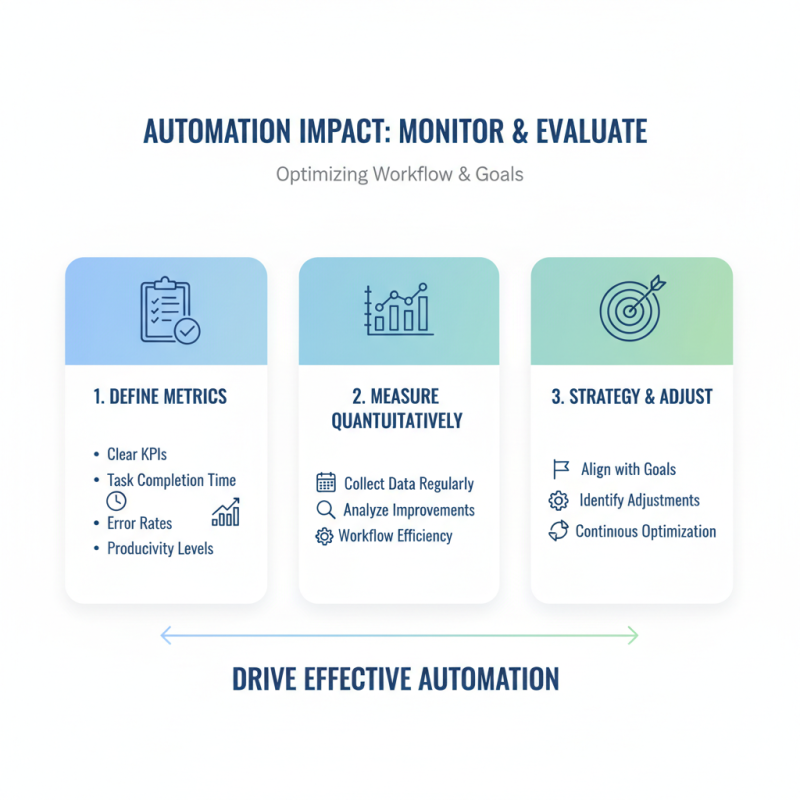
Monitoring and evaluating the impact of automation on workflow is crucial for ensuring that your automation strategies are effective and aligned with your organizational goals. One key aspect of this process is establishing clear metrics to assess performance outcomes. By identifying relevant KPIs, such as task completion time, error rates, or productivity levels, you can quantitatively measure the improvements brought about by automation. Regularly collecting and analyzing this data will help you understand how automation tools are enhancing workflow efficiency, and where adjustments may be needed.
Another important factor in evaluating automation’s impact is soliciting feedback from team members who interact with automated systems. Engaging employees in discussions about their experiences can reveal valuable insights into the strengths and limitations of the automation implementations. Understanding their perspectives will not only help identify potential areas for further optimization but also foster a culture of continuous improvement. By combining data-driven analysis with qualitative feedback, organizations can ensure that their automation efforts are effectively streamlining workflows while also enhancing employee satisfaction and overall performance.