Top Automation Engineering Tips for Success in Your Career?
Automation engineering is a rapidly growing field. It plays a vital role in improving efficiency and productivity across industries. However, success in automation engineering is not guaranteed. It requires dedication and a strategic approach.
Understanding core concepts is essential. You must master programming languages, control systems, and robotics. But theoretical knowledge alone is not enough. Practical experience often reveals gaps in understanding. Many engineers face challenges when applying theory to real-world problems.
Networking can also be crucial. Connecting with experienced professionals can offer valuable insights. Yet, not everyone finds this easy. Building relationships takes time and effort. Reflecting on your approach to networking is important. Are you reaching out effectively? These elements combined can guide you toward a successful career in automation engineering.
Understanding the Role of Automation Engineering in Modern Industries
Automation engineering plays a crucial role in modern industries. It drives efficiency, reduces costs, and enhances productivity. According to the International Federation of Robotics, global spending on automation technologies is expected to reach USD 70 billion by 2025. This signifies that industries are increasingly investing in automation.
The demand for automation engineers is growing. A report from the U.S. Bureau of Labor Statistics predicts a 9% job growth in this field by 2030. However, challenges remain. Many engineers struggle to stay updated on new technologies. The rapid evolution of tools can leave professionals feeling overwhelmed.
Moreover, integrating automation into existing processes can be difficult. Not all companies are prepared for these changes. Resistance to new technologies can hinder progress. It’s essential for engineers to understand both the technical aspects and the business implications. This dual perspective helps them navigate complexities and drive successful automation projects.
Key Skills Required for Success in Automation Engineering Careers
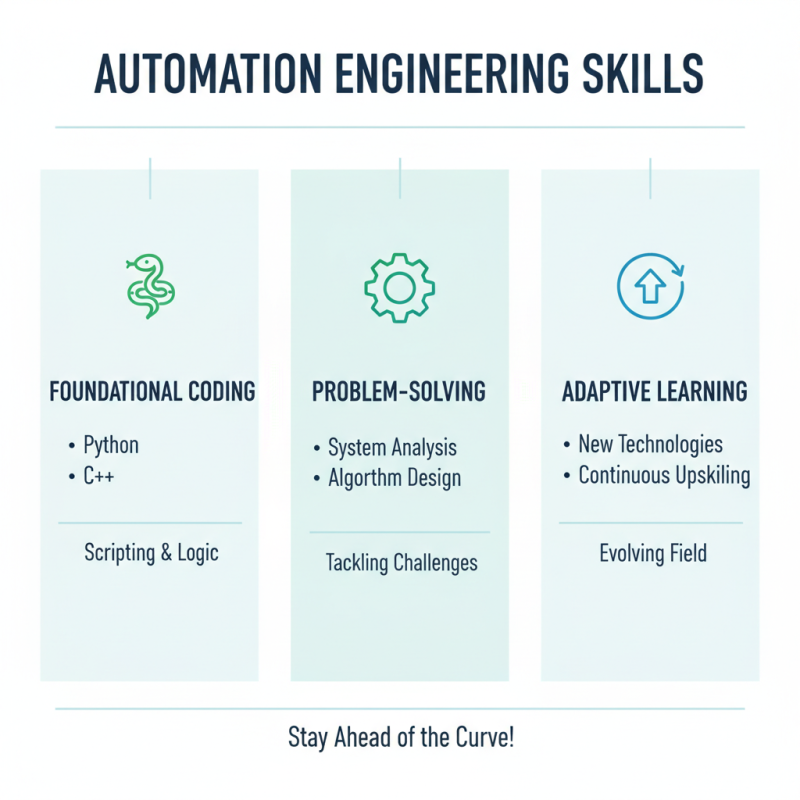
Automation engineering is a dynamic field that demands a unique set of skills. First, a solid understanding of programming languages is crucial. Familiarity with languages like Python or C++ can enhance your ability to create effective automation scripts. This knowledge helps engineers tackle various challenges. Yet, many professionals struggle with continuous learning in this area; technology shifts rapidly.
Another key skill is problem-solving. Automation engineers often encounter unexpected issues. Quick thinking is vital here. The ability to analyze a problem and come up with a solution can set you apart. However, it's common to feel overwhelmed when faced with complex issues. Engaging in collaborative discussions can be beneficial. Sharing experiences leads to diverse solutions.
Lastly, attention to detail cannot be overlooked. Automation often involves intricate systems. Small mistakes can lead to significant failures. While striving for perfection is admirable, it can lead to burnout. A balance is essential; acknowledging that errors are part of the learning process fosters growth. Building resilience is important, as is being open to feedback and improvement.
Essential Tools and Technologies for Automation Engineers
Automation engineering is rapidly evolving. Professionals in this field must embrace essential tools and technologies to succeed. A recent study shows that 70% of automation engineers rely on simulation software for system design. This software enhances efficiency and reduces errors. Understanding automation platforms is critical. They streamline processes, making projects more manageable.
Data analysis tools are also vital. Automation engineers use these tools to monitor performance metrics. Analytics can help identify bottlenecks in systems. Surprisingly, many engineers overlook this aspect. Reports indicate that only 50% actively use data analytics to fine-tune operations. This creates room for improvement.
Another significant area is collaborative tools. These tools facilitate communication among cross-functional teams. They enhance productivity, yet a considerable number of engineers struggle with effective collaboration. Research suggests that teams using collaboration software increase project success rates by 40%. Engineers should reflect on their usage of these tools. Adopting a proactive approach to mastering these technologies can lead to substantial advancements in one's career.
Building a Strong Professional Network in the Automation Field
Building a strong professional network in the automation field is essential for career growth. Attend industry conferences and workshops regularly. These events offer opportunities to meet experts and peers. Engaging in discussions can lead to valuable connections. Share your experiences, even if they include setbacks. Vulnerability can foster trust.
Online presence matters too. Join forums and social media groups related to automation. Actively participate in conversations. Ask questions and share insights. You may feel uncertain at times. Don't let that stop you. Others appreciate authentic interactions. Networking is not just about what you can gain. It's also about what you can offer.
Building relationships takes time and consistency. Follow up with people you meet. A simple message can keep the connection alive. Remember, not every interaction will lead to an opportunity. Reflect on those that didn’t work out. Learn from them and adjust your approach. Keeping an open mind will serve you well in this evolving field.
Continuing Education and Certifications for Automation Engineers
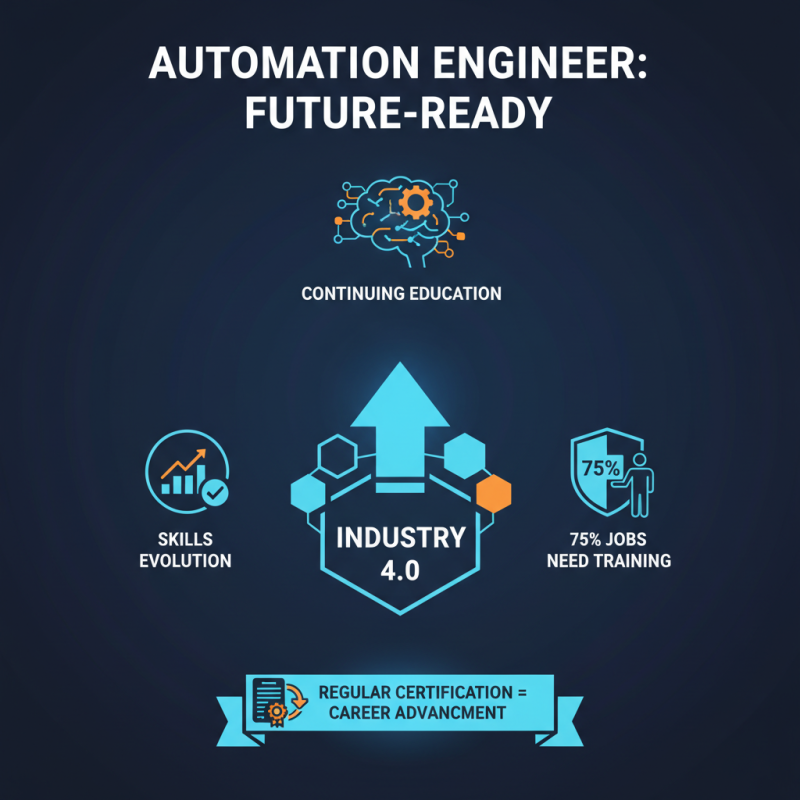
Continuing education is crucial for automation engineers. With the rise of Industry 4.0, skills must evolve. A report by the International Society of Automation states that 75% of automation jobs require ongoing training. This emphasizes the need for engineers to pursue certifications regularly.
Various certifications are available, such as those focusing on specific programming languages or systems. These qualifications can increase job prospects and salary potential. According to a study by the Automation Federation, certified engineers earn approximately 20% more than their non-certified peers. However, finding the right certification can be overwhelming. Not all certifications are equally valued in the industry.
Engineers should evaluate which skills are in demand. Networking with industry professionals can provide insights that formal education may not offer. Many engineers focus solely on technical skills. This can lead to gaps in other essential areas, such as project management or soft skills. Balancing these aspects is vital for long-term success. Embracing a lifelong learning mindset is key. The field is always changing. Adaptability can help overcome challenges in a competitive job market.