2026 Top Trends in Manufacturing Automation Industry Innovations?
The manufacturing automation landscape is rapidly evolving. A recent report by PwC indicates that 70% of manufacturers are investing in automation technologies. This trend is reshaping operational efficiency and productivity across the sector. Experts in the field, such as Dr. Emily Carter, emphasize the importance of adaptation. She stated, “Embracing innovation in manufacturing automation is no longer optional; it's critical for survival.”
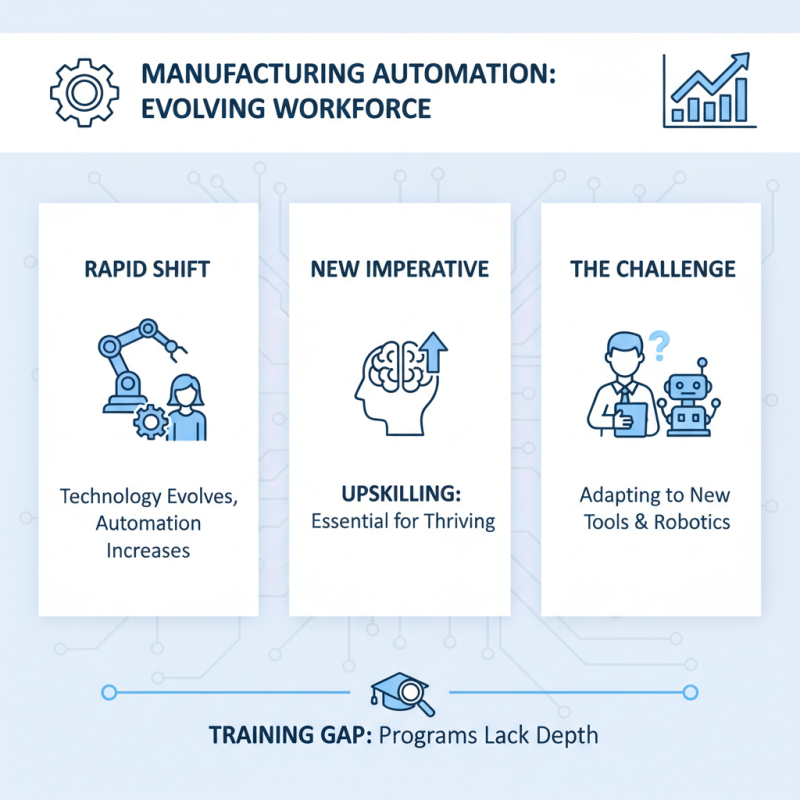
Amid these advancements, challenges persist. The integration of robotics and AI presents both opportunities and hurdles. For instance, workers may feel threatened by automation adoption. According to a study by McKinsey, approximately 30% of jobs in manufacturing could be automated by 2030. While this can streamline processes, it raises questions about workforce displacement. Addressing these concerns is essential for a holistic approach to manufacturing automation.
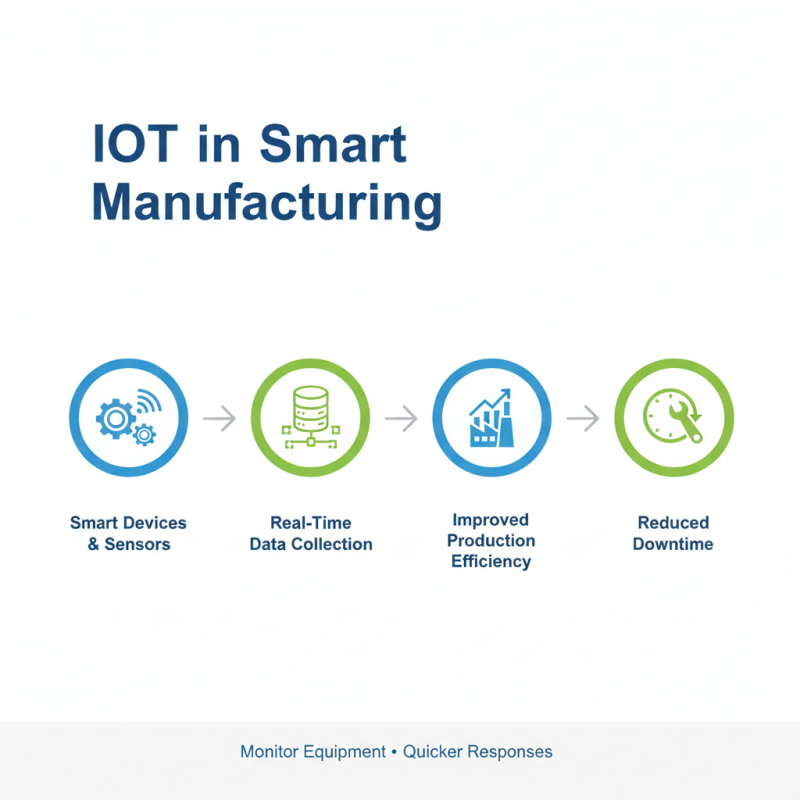
Investments in smart factories and IoT are on the rise. However, not all companies are equipped to adapt to these changes. Many struggle with the pace of technological advancement. As the industry continues to evolve, the need for a strategic framework becomes clear. It is vital for businesses to assess their readiness for the future of manufacturing automation.
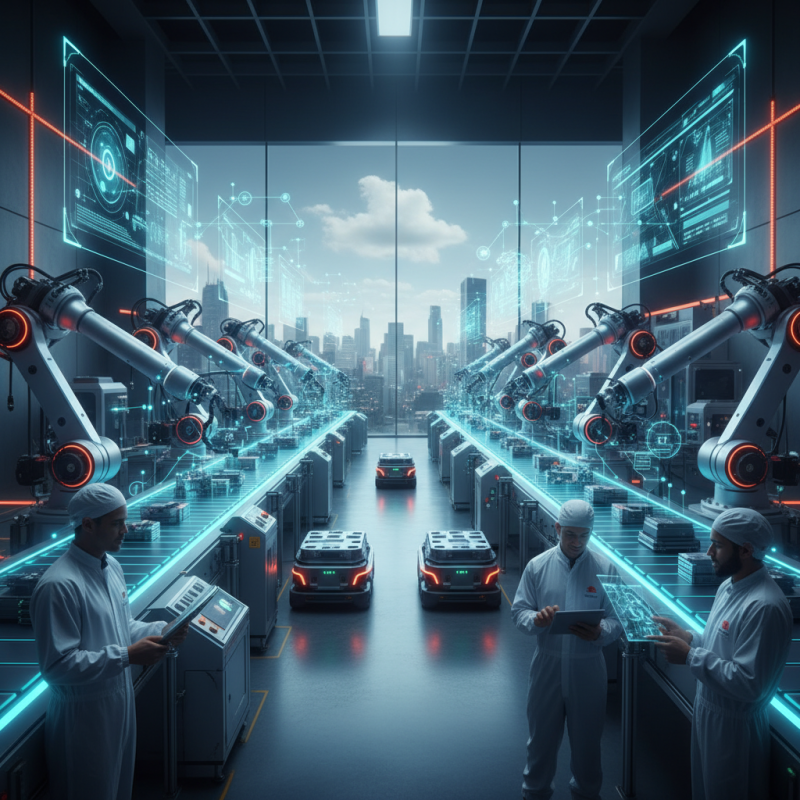
Key Automation Technologies Transforming Manufacturing by 2026
The manufacturing automation landscape is evolving rapidly. By 2026, key technologies are set to transform the industry significantly. According to a report by Markets and Markets, the global market for industrial automation is projected to reach $296.70 billion by 2026, growing at a CAGR of 9.25%. This growth hints at a massive shift in how factories operate and manage production.
Artificial intelligence (AI) is at the forefront of this transformation. AI-powered systems can analyze vast amounts of data to improve efficiency. Predictive maintenance, driven by AI, has the potential to reduce downtime by about 50%. However, the integration of AI poses challenges. Many organizations struggle with workforce adaptation and retraining. Cybersecurity also emerges as a major concern as automation increases data vulnerability.
Robotics continues to play a crucial role in automation. Collaborative robots, or cobots, are designed to work alongside human workers. They enhance productivity, but their implementation can lead to job displacement anxiety among employees. Moreover, while automation offers operational advantages, it can create complexities in supply chain management. Businesses must address these challenges while leveraging the advantages of new technologies.
Advancements in AI and Machine Learning for Enhanced Production Efficiency
Manufacturing automation is experiencing a transformative phase, driven by advancements in AI and machine learning. According to recent reports, automation technologies are expected to boost productivity by up to 30% by 2026. This reveals a significant trend towards integrating intelligent systems into manufacturing workflows.
Factories are now leveraging AI to analyze real-time data, improving decision-making by up to 25%.
Machine learning models enhance production lines by predicting equipment failures. These models can decrease downtimes by as much as 20%. However, the reliance on such technology raises concerns. There are still challenges in data privacy and the accuracy of algorithms. Not all companies can adapt quickly to these innovations, leading to uneven progress across the industry.
Despite the benefits, skills gaps persist. Workers must be trained to collaborate effectively with machines. Approximately 70% of manufacturers cite the need for upskilling their workforce. Addressing this issue is vital for maximizing the potential of AI in production. The journey of adopting automation is not without obstacles, requiring careful consideration and strategic planning.
Sustainability Trends in Manufacturing Automation and Their Impact
Sustainability is becoming a key focus in the manufacturing automation industry. According to a recent report by McKinsey, over 70% of manufacturers are prioritizing sustainability initiatives. This shift is reshaping production processes and technologies. Companies are integrating energy-efficient systems to reduce waste and emissions. For instance, smart sensors now optimize energy consumption in real time.
However, the journey is not without challenges. Many manufacturers face high initial costs for sustainable technology. The transition may disrupt existing operations. Reports indicate that around 25% of companies struggle with adopting new technologies. This gap in adaptation can hinder overall progress in the industry.
Moreover, regulatory pressures are increasing. The International Energy Agency projects that compliance costs could rise by 30% in the coming years. This forces manufacturers to rethink their sustainability strategies. Some may resort to quick fixes rather than long-term solutions. This approach could lead to short-lived improvements. Careful planning and investment are essential for meaningful change in the sector.
2026 Sustainability Trends in Manufacturing Automation