2026 Top Stainless Steel Welded Pipe Buying Guide?
The demand for Stainless Steel Welded Pipe has been steadily increasing, particularly in the construction and manufacturing sectors. According to a recent industry report, the global stainless steel pipe market is projected to reach $15 billion by 2025, with a significant rise in usage across diverse applications. This growth underscores the importance of understanding the specifics of welded pipes, including their dimensions, grades, and intended uses.
When purchasing Stainless Steel Welded Pipe, several factors come into play. Quality, durability, and corrosion resistance are crucial attributes. However, not all suppliers meet the industry standards or offer the same quality assurance. Inadequate research may lead to subpar purchases, resulting in increased costs and project delays. The emphasis should be on sourcing pipes from reputable manufacturers with proven track records.
As the industry evolves, buyers are encouraged to stay informed about the latest trends and innovations. This includes understanding the implications of different welding techniques and their impact on performance. Investing in the right materials can significantly affect the longevity and safety of infrastructure projects. Prioritizing reliable partnerships and ongoing education in this domain can foster better outcomes in the long run.
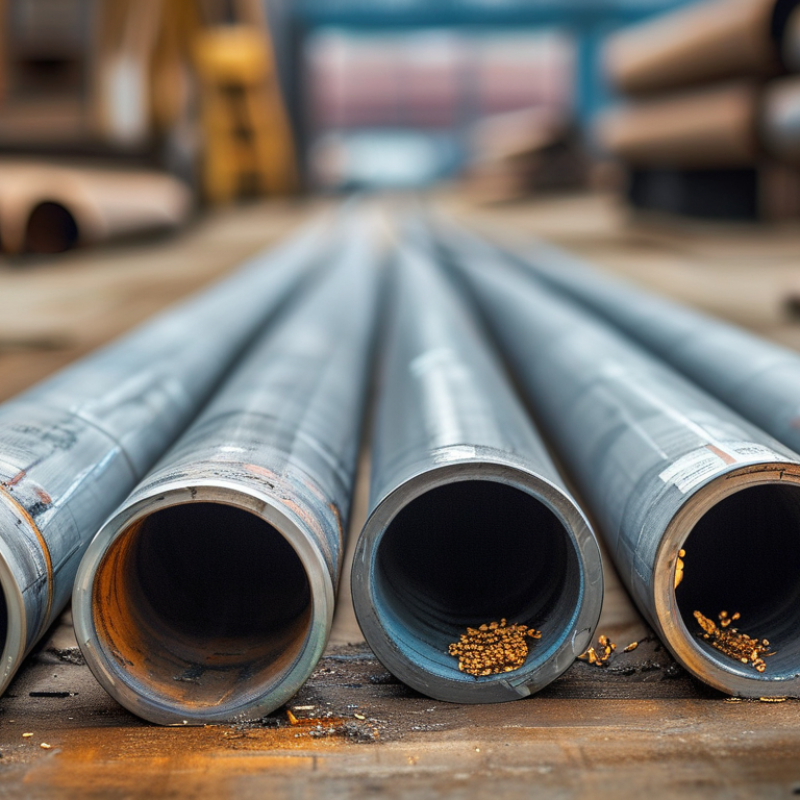
Understanding Stainless Steel Welded Pipe Grades and Standards
When discussing stainless steel welded pipes, understanding the various grades and standards is crucial. Stainless steel is known for its corrosion resistance and durability. Common grades include 304, 316, and 310. Each grade has distinct properties tailored to different applications. For instance, 316 stainless steel offers superior resistance to chlorides and is preferred in marine environments.
Standards regulate the quality and specifications of welded pipes. The American Society for Testing and Materials (ASTM) and the International Organization for Standardization (ISO) provide guidelines that manufacturers should follow. These standards ensure that the pipes meet specific mechanical and chemical requirements. It is essential to choose pipes that conform to these regulations to avoid failures in real-world applications.
Despite the advantages of stainless steel welded pipes, some challenges exist. Variations in quality can arise from fabrication techniques. Moreover, improper welding practices can lead to weaknesses in the finished product. It is vital to scrutinize the manufacturing process and ask questions. Understanding these factors helps make informed purchasing decisions.
Key Specifications for Choosing High-Quality Welded Pipes in 2026
When selecting high-quality welded pipes in 2026, several specifications are essential. The pipe material is crucial. Common materials include stainless steel and carbon steel. Stainless steel offers resistance to corrosion and is ideal for various applications. Carbon steel, while stronger, may not withstand harsh environments. Consider the grade of the material carefully. Different grades provide varying levels of strength and corrosion resistance.
Weld quality is another critical factor. It determines the pipe's durability and longevity. Look for pipes with consistent welds, as poor welding can lead to leaks. Inspect the weld bead and the heat-affected zone. The pipe diameter and wall thickness also matter. Thicker walls enhance strength, while larger diameters allow for greater flow volume. Make sure to evaluate these dimensions according to your project requirements.
Don't overlook certifications and standards. Pipes should meet industry regulations to ensure reliability. Always request documentation from suppliers. This practice can prevent future issues. It's important to balance cost with quality. Inexpensive options may save money initially but could result in complications down the line. Careful consideration at the buying stage can lead to better outcomes.
Market Trends: Demand for Stainless Steel Welded Pipes in Various Industries
The demand for stainless steel welded pipes is steadily rising across various industries. In 2022, the global stainless steel pipe market was valued at approximately $60 billion. By 2026, it is projected to reach around $80 billion, indicating a compound annual growth rate (CAGR) of nearly 7%. Factors driving this growth include increasing applications in construction, oil and gas, and food processing.
The construction sector is a significant contributor to this trend. As cities expand, the need for durable and corrosion-resistant piping solutions grows. Particularly, the rise in infrastructure projects is fueling this demand. Additionally, industries are increasingly aware of the long lifespan and low maintenance of stainless steel pipes, making them attractive for long-term investments.
Despite the promising outlook, challenges remain. Pricing fluctuations due to raw material costs can impact affordability. Companies must seek cost-effective sourcing strategies to remain competitive. Furthermore, stringent regulations in specific markets can complicate compliance efforts. Industry stakeholders must proactively address these challenges while capitalizing on growth opportunities.
Cost Analysis: Price Factors Influencing Stainless Steel Welded Pipe Purchases
When purchasing stainless steel welded pipes, various cost factors come into play. One major factor is the material grade. Higher grades, like 316L, often command a premium due to their corrosion resistance and durability. Buyers should assess the application to determine which grade suits their needs. It can be a bit confusing, leading to potential overspending on unnecessary features.
Another key influence on price is pipe size and wall thickness. Larger diameters and thicker walls typically cost more. These specifications affect strength and application suitability. However, it’s vital not to overlook the implications of overengineering; it could unnecessarily inflate costs. Understanding your specific requirements can help in honing down your choices.
Market conditions also play a significant role. Fluctuations in raw material prices, labor, and shipping can dramatically affect overall costs. Buyers often face challenges in navigating these variables. Moreover, those who remain unaware of market trends might find themselves paying higher prices. Keeping a pulse on industry news can help streamline purchasing strategies and potentially save money.
2026 Stainless Steel Welded Pipe Price Factors Analysis
Best Practices for Sourcing and Buying Stainless Steel Welded Pipes
When sourcing stainless steel welded pipes, quality and reliability are paramount. Industry reports indicate that over 40% of buyers prioritize pipe certification and material traceability. Ensuring that your supplier complies with standards like ASTM and ASME can safeguard against potential failures. A recent survey highlighted that 85% of professionals faced challenges in verifying supplier claims. This emphasizes the importance of thorough vetting.
Price is often a deciding factor, yet it should not compromise quality. A report by the International Stainless Steel Forum noted that 30% of low-cost pipes failed to meet industry specifications. Sourcing from reputable manufacturers can prevent costly mistakes down the line. Consider visiting facilities and reviewing their quality control processes. It can be revealing and may raise questions about your current suppliers.
Expert insight suggests asking for multiple quotes. This approach facilitates comparison and highlights discrepancies in pricing structures. However, price should not be your only consideration. Reputation, availability, and technical support are equally vital in making an informed decision. An over-reliance on pricing may lead to choosing a supplier full of risks. Balancing cost with these attributes fosters better procurement strategies.
2026 Top Stainless Steel Welded Pipe Buying Guide
| Specification | Material Grade | Size (inches) | Thickness (mm) | Standard | Applications | Price Range (per meter) |
| Austenitic Welded Pipe | 304/304L | 1/2" - 30" | 0.5 - 20 | ASTM A312 | Food and Beverage, Chemical Processing | $10 - $50 |
| Duplex Welded Pipe | 2205 | 1" - 16" | 2 - 12 | ASTM A790 | Oil and Gas, Marine Applications | $15 - $70 |
| Corrosion-Resistant Pipe | 316/316L | 3/4" - 24" | 1 - 5 | ASTM A312 | Pharmaceuticals, Marine Engineering | $20 - $90 |
| High-Pressure Pipe | Stainless Steel 321 | 1" - 12" | 3 - 15 | ASTM A358 | Power Generation, Petrochemical | $25 - $100 |