2026 Top Automated Conveyor Solutions for Global Buyers?
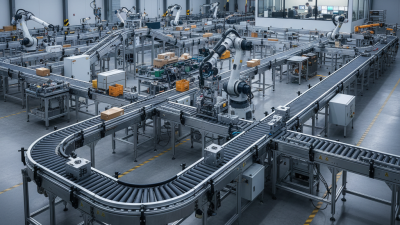
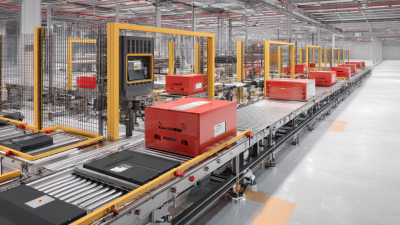
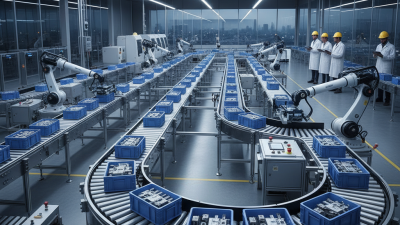
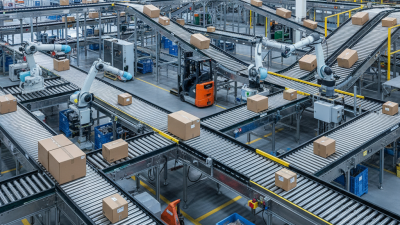
In the fast-evolving world of logistics and manufacturing, automated conveyor systems are becoming essential. These systems enhance efficiency, reduce labor costs, and minimize human error. As global buyers seek reliable solutions, understanding the latest trends is crucial.
The year 2026 brings exciting developments in automated conveyor technology. These advancements focus on speed, scalability, and flexibility. However, while many manufacturers promote their systems as innovative, not all solutions live up to the hype. Some may overlook critical needs, such as maintenance and support.
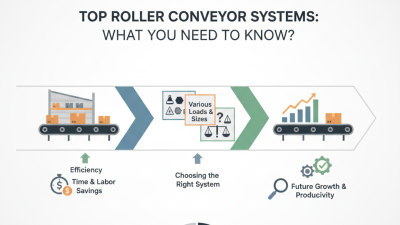
Buyers must navigate a crowded market. Selecting the right automated conveyor system involves careful consideration. Not every solution suits every application. It is vital to assess specific requirements thoroughly. Balancing features with practicality can lead to smarter decisions and better outcomes.
Overview of Automated Conveyor Solutions in 2026
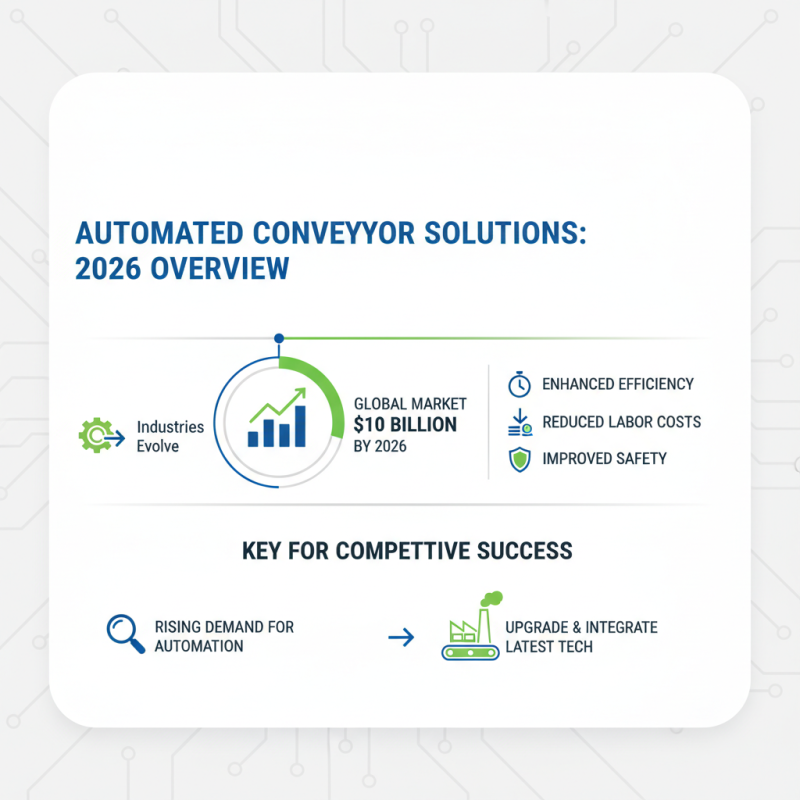
As industries evolve, automated conveyor systems are becoming foundational in manufacturing and logistics. In 2026, experts anticipate a significant growth in the global conveyor market, projected to reach $10 billion by 2026. These systems enhance efficiency, reduce labor costs, and improve safety—critical factors for competitive success. With a rising demand for automation, many companies are looking to upgrade their existing setups and incorporate the latest technologies.
A key driving force behind this trend is the push for sustainability. Automated conveyors can optimize energy use and minimize material waste. A recent report highlighted that implementing advanced conveyor solutions can reduce energy consumption by up to 30%. However, companies must be cautious while integrating these systems. Challenges like high initial costs and the need for specialized training can hinder their effective utilization.
Furthermore, businesses are grappling with the rigidity of some conveyor designs. Adapting to changing production needs requires flexible systems. Industry data shows that around 40% of companies report difficulty in modifying their existing conveyors to accommodate new products. This highlights the necessity for ongoing innovation and analysis to better meet dynamic market demands.
Key Features and Innovations in Conveyor Technology
Automated conveyor systems are evolving rapidly. They now feature enhanced efficiency and precision. Key innovations focus on smart technology integration. Sensors and data analytics optimize performance. These advancements streamline operations, reduce energy consumption, and minimize labor costs.
Flexible designs are another significant trend. Conveyors now adapt to various product types and sizes. This adaptability meets diverse industry needs. For instance, modular components allow for quick adjustments. Manufacturers can easily reconfigure setups as required. However, the increased complexity also poses challenges. Some users find it hard to maintain these systems without proper training.
Safety features have improved notably. Enhanced emergency stop functions protect workers. Moreover, advanced monitoring systems identify hazards quickly. A growing emphasis on compliance with safety standards is vital. Yet, many organizations struggle with implementation. It requires time and investment in workforce education. As technology advances, continuous learning becomes essential for effective utilization.
Leading Manufacturers and Their Competitive Advantages
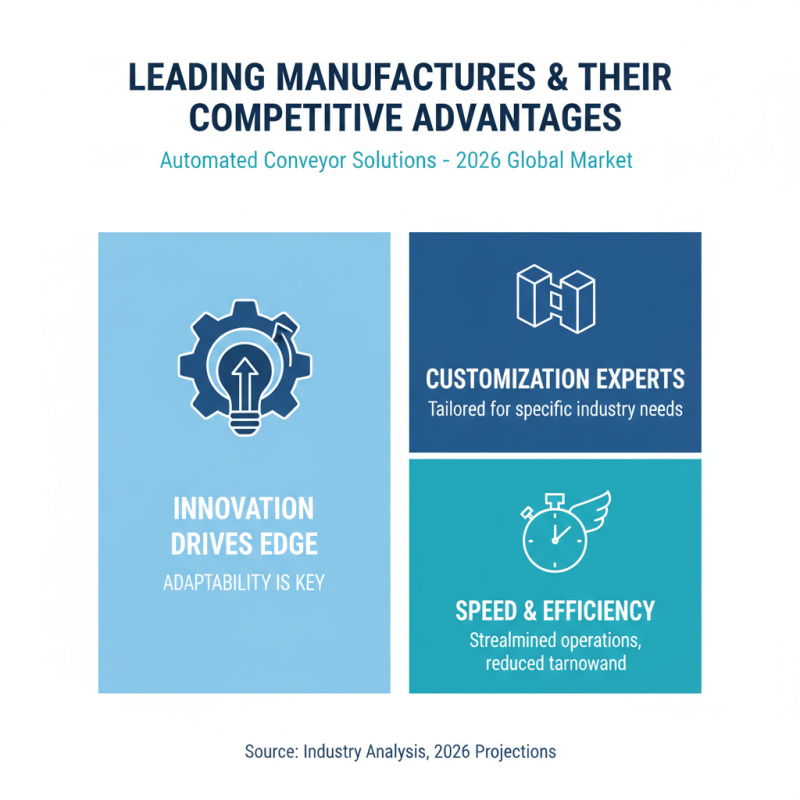
The automated conveyor solutions for 2026 present a dynamic landscape for global buyers. Leading manufacturers are focusing on innovation to maintain their edge. Strength in adaptability becomes crucial. Some companies excel in customization, offering solutions that cater to specific industry needs. Others prioritize speed and efficiency, streamlining operations and reducing turnaround time.
Competitive advantages vary widely. Certain manufacturers integrate advanced sensor technologies, enhancing reliability. This improves maintenance schedules and minimizes downtime. Some brands emphasize user-friendly interfaces, simplifying training processes for workers. The goal is to blend technology with usability seamlessly.
However, not all solutions meet every need. The market can be oversaturated with options, making choices overwhelming. Buyers must assess not just features but also long-term sustainability. Investing in a conveyor system requires careful thought. What works for one industry might pose challenges for another. Balancing innovation and practicality is key to making informed decisions.
Market Trends and Consumer Demands for Conveyor Systems
The conveyor systems market is evolving rapidly, driven by changing consumer preferences and technological advancements. Research indicates that the global conveyor systems market is projected to grow at a CAGR of over 5% from 2021 to 2026. This growth reflects a demand for enhanced efficiency and automation in various sectors. Industries such as e-commerce and manufacturing are investing significantly in automated conveyor solutions to streamline operations.
As automation takes center stage, consumers are increasingly requiring customized and flexible conveyor systems. According to a recent industry report, over 40% of companies are prioritizing modular conveyor designs, allowing for scalability and adaptability. This shift not only caters to diverse operational needs but also addresses the challenge of space constraints. Companies are recognizing the importance of integrating technology, such as IoT and AI, into their conveyor systems to meet these evolving expectations.
Despite these advancements, challenges remain. Many organizations struggle with the initial costs of upgrading existing systems. A survey shows that 30% of respondents cite budget constraints as a significant barrier to implementation. Moreover, ensuring proper training for staff on new technologies is often overlooked. These areas require critical reflection as businesses move towards more automated solutions, aligning with market trends and consumer demands.
2026 Top Automated Conveyor Solutions - Market Trends
Future Prospects and Challenges in the Conveyor Industry
The conveyor industry is evolving rapidly, with automation at its heart. In the coming years, buyers will face numerous challenges. One significant issue is the integration of advanced technology. Smart systems promise to enhance efficiency but require substantial investment. Many companies may struggle to allocate funds for these upgrades.
Training staff to operate new technologies presents another hurdle. There’s often a skills gap. Workers must adapt to complex systems. This transition can lead to temporary productivity dips. Additionally, maintaining equipment becomes crucial. Automated systems need regular checks to avoid downtime.
Environmental considerations are also pivotal. As regulations tighten globally, conveyor solutions must be sustainable. Companies need to develop systems that minimize energy consumption. However, this shift can be slow and costly. Balancing innovation and sustainability is a tightrope every company must walk. While opportunities are abundant, the path to automation is fraught with potential pitfalls.
2026 Top Automated Conveyor Solutions for Global Buyers
| Solution Type |
Material Handling Capacity (tons/hour) |
Length (meters) |
Power Consumption (kW) |
Estimated Cost (USD) |
Market Growth Rate (%) |
| Belt Conveyor |
20 |
50 |
15 |
10,000 |
5 |
| Roller Conveyor |
15 |
30 |
10 |
8,000 |
6 |
| Chain Conveyor |
25 |
40 |
20 |
12,000 |
7 |
| Overhead Conveyor |
10 |
60 |
5 |
15,000 |
4 |
| Magnetic Conveyor |
18 |
45 |
8 |
9,500 |
5 |