2026 Top Stainless Steel Bar Buying Guide for Global Importers?
In the global market, the demand for high-quality Stainless Steel Bars is on the rise. Experts like John Smith, a leading figure in the stainless steel industry, emphasize the importance of quality. He states, "Choosing the right stainless steel bar can make or break your project." This highlights the critical nature of making informed decisions.
When sourcing stainless steel bars, importers face various challenges. Factors include material grades, surface finishes, and dimensions. Understanding these aspects is key to finding reliable suppliers. Moreover, the global supply chain can show inconsistencies, leading to unpredictability in product cycles.
Many buyers overlook details when choosing stainless steel bars. This can result in underperformance in their end use. It's essential for importers to prioritize research to ensure they select the best options for specific applications. Quality materials can lead to lasting solutions in construction, automotive, and various industries, reinforcing the importance of informed choices in this competitive field.
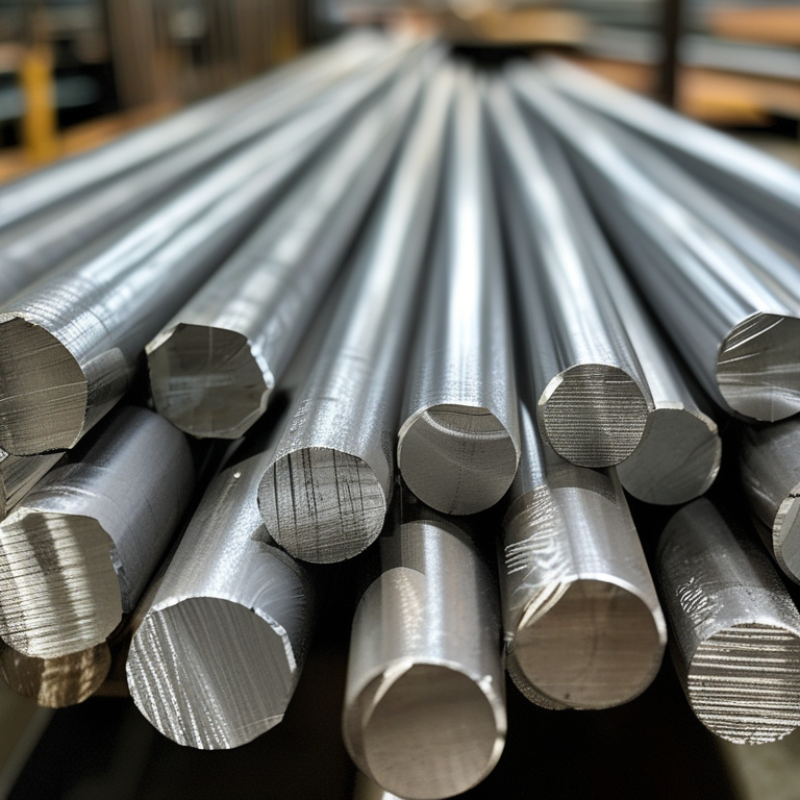
Overview of Stainless Steel Bar Types and Grades
Stainless steel bars come in various types and grades, which can be confusing for buyers. Understanding these options is essential for making informed purchasing decisions. Common types include round, square, and flat bars. Each type serves different applications. For instance, round bars are widely used in construction and manufacturing. Square bars are often seen in frameworks and structural projects. Flat bars are versatile, often used in fabrication and support elements.
When selecting a grade, consider the environment where the bar will be used. Grades like 304 and 316 are popular for their corrosion resistance. Grade 304 is ideal for indoor use, while 316 is better suited for marine environments. Knowing the difference in chemical composition helps in choosing the right bar for the job.
Tip: Always verify the specifications of the stainless steel bar with suppliers. Some may not meet industry standards and could compromise your project. Inspecting the surface finish can also reveal potential quality issues. Look for smooth, even surfaces free from pitting or scratches. It's worth considering that not all bars are created equal; understanding these details helps avoid costly mistakes.
Key Factors to Consider When Purchasing Stainless Steel Bars
When purchasing stainless steel bars, several key factors deserve careful consideration. The grade of stainless steel plays a crucial role in performance. Different grades offer varying levels of corrosion resistance and strength. For example, 304 stainless steel is common, known for its versatility. However, in specific environments, you may require a more resistant grade.
Another vital factor is the bar's size and dimension. Precise measurements ensure compatibility with your projects. Miscalculating size can lead to complications, resulting in wasted materials. Also, consider the finish of the stainless steel bar. A polished finish might be necessary for aesthetic applications. Conversely, a rough finish could be ideal for structural purposes.
Price is undeniably important but should not be the sole focus. A lower price might indicate compromised quality. Reflect on your project requirements. Will the bar withstand environmental stresses? Is its durability sufficient for long-term use? These questions will help guide your purchase, ensuring you select the best stainless steel bars for your needs.
Global Market Trends Impacting Stainless Steel Bar Prices
The demand for stainless steel bars is influenced by various global market trends. Recent data shows fluctuating prices due to changing raw material costs. Factors such as energy prices and transportation costs play a significant role in pricing. As energy becomes more expensive, production costs rise, ultimately affecting the final product price.
Additionally, the environmental regulations in different regions have a noticeable impact on availability. Stricter regulations can lead to supply shortages, further driving up prices. Importers need to stay informed about these trends. Awareness of geopolitical issues can also provide valuable insights. Regional conflicts or trade disputes often disrupt supply chains and affect market stability.
Market volatility can create opportunities but also pose challenges. Keeping abreast of market trends is essential for making informed purchasing decisions. Importers might hesitate, unsure if prices will drop or rise in the near future. This uncertainty necessitates a strategy to adapt to changing conditions. A reactive approach could hurt profitability. Continuous research and monitoring of market conditions can help navigate these complexities.
2026 Top Stainless Steel Bar Buying Guide for Global Importers
| Country | Average Price (USD/ton) | Supply Volume (tons) | Demand Forecast (2026) | Market Trend (%) |
| United States | $2,500 | 1,200,000 | Stable | 3% |
| China | $2,200 | 3,500,000 | Growth | 5% |
| Germany | $2,800 | 900,000 | Decline | 1% |
| India | $2,400 | 1,600,000 | Growth | 4% |
| Japan | $2,600 | 800,000 | Stable | 2% |
Top Suppliers and Manufacturers of Stainless Steel Bars Worldwide
When looking for stainless steel bars, it's vital to consider top suppliers and manufacturers globally. The market is diverse, with various companies specializing in different grades and formats. Many manufacturers offer custom solutions, enhancing their appeal. Their expertise can ensure quality and timely delivery.
Importers should understand regional variations in standards and specifications. Not all suppliers maintain the same quality control measures. Some might lack certifications that guarantee product reliability. It's essential to vet suppliers thoroughly, as the wrong choice can lead to project delays and increased costs.
Networking at industry trade shows can reveal trustworthy manufacturers. Building relationships often uncovers hidden gems in the market. However, trust must be earned through experience and consistent product performance. Importers must stay informed about market trends, ensuring they partner with suppliers that reflect their needs.
Import Regulations and Standards for Stainless Steel Bars in 2026
In 2026, importers of stainless steel bars must navigate a complex web of regulations. The global market increasingly demands compliance with stringent standards. Each country has specific rules that affect how and what can be imported. For instance, in the United States, the ASTM (American Society for Testing and Materials) has set rigorous specifications for stainless steel grades. Non-compliance can halt shipments and lead to costly delays.
Data from the International Stainless Steel Forum indicates that demand for stainless steel bars rose by 4.3% in 2023, reflecting a growing trend in industries such as construction and automotive. Knowing the relevant regulations is essential for successful imports. Failure to meet these standards can result in fines or rejected shipments. Importers must stay updated on changing laws and consider working with compliance experts.
Metal fatigue and corrosion resistance are critical factors in stainless steel bar selection. The composition of the alloy can significantly affect performance. It’s vital to verify certifications and test results to ensure products meet quality expectations. Relying solely on suppliers’ claims can lead to oversight. Establishing an auditing process may help improve reliability without overwhelming resource allocation.