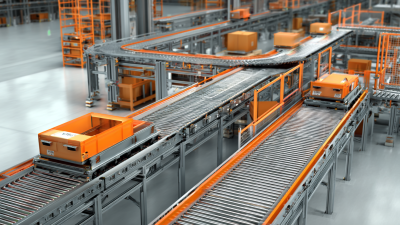



In 2026, packaging teams face higher labor costs, tighter delivery windows, and stronger sustainability expectations. Choosing the right automated packaging solutions can improve throughput, consistency, and workplace safety. However, automation is not automatically efficient. A fast machine may still create waste if it cannot handle your product range.
A reliable decision begins with real production data. Measure package dimensions, product weights, daily volumes, changeover frequency, and common error rates. Watch the line during peak hours, not only during a quiet demonstration. A carton sealer that handles 30 boxes per minute may perform differently with uneven cartons or dusty environments. Small details matter.
Review equipment compatibility, operator training, maintenance access, software integration, and future capacity. Ask suppliers for documented test results, service response times, warranty terms, and references from comparable facilities. Safety features should be practical, visible, and easy to inspect. Energy use and material consumption deserve equal attention. A machine that reduces labor but doubles packaging waste is not a complete improvement.
Pilot testing can reveal problems that brochures hide. Track uptime, rejected packs, setup time, and total operating cost for several weeks. No checklist is perfect. Your first assumptions may be wrong. Revisit them when operators report jams, awkward controls, or difficult cleaning procedures. The best automated packaging solutions support people, products, and measurable business goals. This guide explains how to compare systems carefully, reduce implementation risk, and build a packaging line that remains dependable as demand changes.
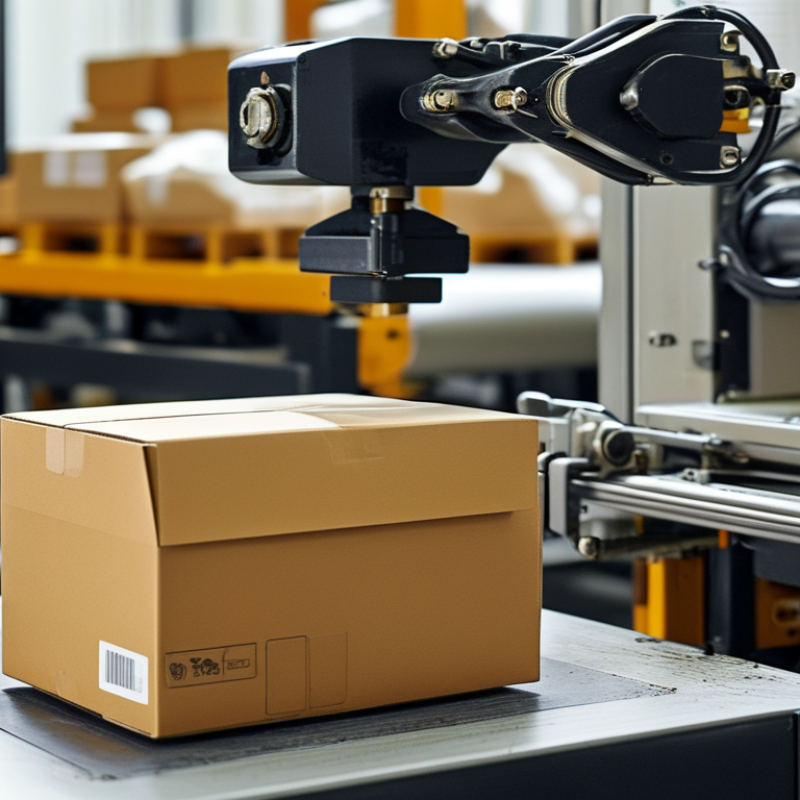
Automated packaging solutions are systems that prepare, fill, seal, label, and move products with limited manual handling. They may combine conveyors, sensors, filling equipment, sealing units, control software, and inspection tools. Each part should work within a measured process, not as an isolated machine.
In production environments, I have seen automation reduce repetitive lifting and improve packaging consistency. A sensor can detect an empty container before filling begins. A weighing device can check whether each package contains the expected amount. The system can also record speed, faults, and rejected units for later review. Clear records support quality checks and practical maintenance decisions.
The process is not magically perfect. A poorly positioned sensor may stop a line unnecessarily. Incorrect settings can create damaged seals or uneven labels. Operators still need training, routine inspections, and safe access to control panels. Good solutions allow adjustments for different product sizes and packaging materials. They should also include guards, emergency stops, cleaning access, and understandable operating instructions.
When comparing options, examine the complete workflow rather than one impressive feature. Ask how the system handles changeovers, interruptions, material waste, and future production needs. Request documented performance data and test the equipment with real products when possible. A reliable solution fits the workplace, the staff, and the required quality controls.
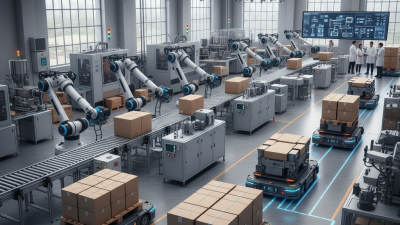
2026 How to Choose Automated Packaging Solutions?
Which Packaging Tasks Can Be Automated?
Packaging automation works best when the task is repetitive, measurable, and physically demanding. In a typical production line, machines can form cartons, fill containers, apply closures, and seal cases. They can also print batch data, attach labels, check weight, and inspect packages with cameras. These tasks reduce hand fatigue and improve consistency during long shifts.
Palletizing is another practical application. A robotic arm can place sealed cases in stable patterns, while sensors detect missing or misplaced cartons. Conveyor systems can move products between stations without constant manual carrying. Data collection can also be automated. The system may record output, stoppages, rejects, and material use for later review.
Not every task should be automated.
Irregular products, delicate items, and frequently changing package sizes may still need skilled operators. From production trials, small jams often reveal larger design problems, such as poor spacing or weak material control. Automation also requires routine cleaning, testing, and maintenance. A reliable solution includes accessible parts, clear alarms, and operator training. Before installation, measure cycle time, product variation, downtime, and labor effort. A pilot test is wiser than trusting a sales estimate. Even then, the first design may need revision.
| Packaging Task | What Can Be Automated | Typical Throughput | Automation Suitability | Best-Fit Production Conditions | Important Selection Factors |
|---|---|---|---|---|---|
| Product Feeding and Orientation | Bulk product loading, singulation, spacing, orientation, and transfer to the packaging line. | 20–300 items/min | High | Continuous production with repeatable product dimensions and stable product flow. | Product geometry, surface friction, fragility, dust, static electricity, and orientation accuracy. |
| Filling and Dosing | Volumetric, gravimetric, auger, piston, liquid, or counting-based filling into bags, bottles, trays, or containers. | 20–200 fills/min | High | Medium- to high-volume products with defined fill weights or volumes. | Product flowability, target accuracy, viscosity, particle size, dust control, and cleaning requirements. |
| Counting and Collating | Counting individual products and assembling a predefined quantity before packing. | 20–150 packs/min | High | Repetitive multipack production with consistent product size and shape. | Counting tolerance, product overlap, line speed, static charge, and changeover frequency. |
| Weighing and Checkweighing | Dynamic weight verification, underweight or overweight rejection, and weight data recording. | 60–300 packs/min | High | Lines requiring continuous weight control and documented quality checks. | Pack stability, target weight, permitted error, belt speed, vibration, and calibration procedures. |
| Bag, Pouch, or Container Sealing | Heat sealing, ultrasonic sealing, induction sealing, capping, lidding, and seal inspection. | 20–250 packs/min | High | Products requiring consistent closure quality and repeatable seal parameters. | Film or lid material, seal temperature, dwell time, pressure, contamination risk, and leak requirements. |
| Labeling and Application | Label dispensing, wraparound application, front-and-back labeling, tamper-evident labels, and label verification. | 30–250 packs/min | High | Standardized containers and repeatable label positions across long production runs. | Container shape, label material, adhesive behavior, placement tolerance, sensor accuracy, and SKU changes. |
| Date, Lot, and Code Marking | Printing variable data, batch codes, expiration dates, barcodes, QR codes, and automatic code verification. | 30–300 packs/min | High | Products requiring traceability, regulatory information, or serialized production records. | Print contrast, substrate, line speed, data integration, code readability, and ink or consumable management. |
| Vision Inspection | Checking fill level, cap presence, label position, seal quality, package appearance, and code readability. | 30–300 packs/min | High | High-volume lines with defined acceptance criteria and consistent inspection conditions. | Lighting, camera resolution, product variation, inspection speed, false-reject tolerance, and data retention. |
| Cartoning and Case Packing | Carton forming, product insertion, carton closing, case erection, case loading, and case sealing. | 20–200 cartons/min 5–40 cases/min |
High | Stable carton dimensions, predictable product presentation, and medium- to high-volume output. | Carton board quality, case dimensions, product orientation, glue or tape requirements, and changeover time. |
| Palletizing and Depalletizing | Layer forming, case picking, pallet loading, pallet unloading, pattern changes, and load stabilization. | 4–20 cases/min | High | Heavy, repetitive, or ergonomically demanding case-handling operations. | Case weight, pallet pattern, reach, floor space, safety guarding, product stability, and warehouse interface. |
| Wrapping and Load Stabilization | Stretch wrapping, shrink wrapping, bundling, strapping, corner protection, and automatic film cutting. | 10–60 loads/hour | Medium to High | Palletized goods or standardized bundles requiring repeatable transport protection. | Load dimensions, film consumption, required containment force, product sensitivity, and downstream handling method. |
Choosing automated packaging solutions should begin with production facts, not machine speed. The International Federation of Robotics reported 541,302 industrial robots were installed worldwide in 2023. That growth shows automation is expanding, but it does not prove every line needs a robot.
Map daily output, peak demand, SKU count, package dimensions, material behavior, and changeover frequency. A line producing 120 cartons per minute may still lose hours weekly if format changes require manual adjustments. Measure the gap. Record stoppages beside the filler, conveyor, sealer, and inspection points. Small details matter.
Product requirements can overturn an attractive proposal. Fragile items may need gentle handling, while dusty products can challenge sensors and sealing surfaces. Test the actual product, including its worst-case size and temperature. The World Economic Forum’s Future of Jobs Report 2023 found that 44% of workers’ core skills may change by 2027. Therefore, assess training time, operator access, fault recovery, and maintenance skills alongside throughput. A common mistake is selecting equipment for today’s volume. That assumption often fails during seasonal peaks or new product launches. The International Federation of Robotics also reported over 4.2 million industrial robots operating globally in 2023, yet automation performance still depends on disciplined data collection, realistic trials, and compatible line controls.
Choosing automated packaging equipment requires more than comparing speed. A machine rated for 120 cartons per minute may slow during frequent size changes. Ask for performance data from products like yours. Watch a live changeover, measure operator steps, and inspect access points for cleaning and maintenance. A ten-minute delay repeated hourly can erase impressive headline capacity.
Software deserves equal attention. Compare production dashboards, recipe control, batch records, and alert handling. Can supervisors trace a carton from order release to final inspection? Check whether the system connects reliably with warehouse and planning platforms through documented interfaces. Request a demonstration using realistic data, not prepared samples. Useful software should show downtime clearly, support role-based access, and export records without complicated workarounds. Small details matter.
Integration often decides whether automation succeeds. Review line layouts, electrical requirements, network security, sensors, and handoff points between machines. Ask who owns testing, training, documentation, and future upgrades. In packaging projects, unclear responsibility creates expensive pauses. I have seen equipment perform well alone but fail at transfer points. The lesson is uncomfortable: integration risk is easy to underestimate. Build a site trial with representative materials, operators, and peak production conditions. Leave room for manual intervention, because real facilities rarely behave perfectly. Reliability comes from measured evidence, practical support, and honest limits.
How to Choose Automated Packaging Solutions in 2026
Cost evaluation should begin with the full operating picture, not the purchase price. Include integration, training, spare parts, energy, software, and planned downtime. The International Federation of Robotics reported 541,302 industrial robot installations worldwide in 2023. This growth shows strong adoption, but automation is not automatically economical. A low-cost machine can become expensive when changeovers require frequent manual adjustments.
Safety deserves practical testing. Observe operators loading materials, clearing jams, and cleaning contact surfaces. The U.S. Bureau of Labor Statistics recorded 2.6 million nonfatal workplace injuries and illnesses in private industry during 2023. Automated guarding, interlocks, emergency stops, and clear access rules can reduce exposure to repetitive hazards. Still, safeguards can fail through poor training or rushed maintenance. That uncomfortable detail matters.
Maintenance records should show response time, failure frequency, and spare-part availability. Ask for realistic demonstrations using your products, packaging sizes, and production speed. MHI’s 2024 Annual Industry Report found that 55% of supply-chain professionals planned to adopt artificial intelligence within five years, signaling faster digital integration. However, a connected system may create new dependency on data quality and technical skills. Choose modular equipment that can expand with additional stations, sensors, or product formats. Leave physical and software capacity for growth. Overbuilding today may waste capital, while underbuilding can force an expensive replacement sooner than expected.
How to evaluate costs, safety, maintenance, and scalability over a five-year operating period.