2026 Top CNC Bending Machine Trends Buyers Must Know?
The CNC Bending Machine market is evolving rapidly. Understanding the latest trends is crucial for buyers in 2026. Manufacturers are focusing on automation and smart technology integration. These advancements enhance precision and efficiency in bending processes.
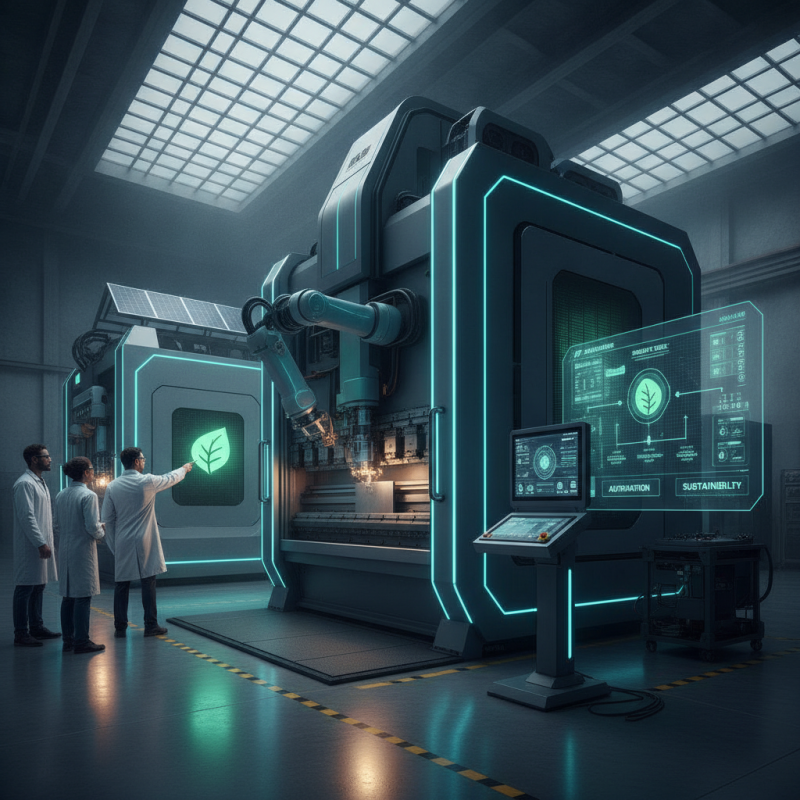
Sustainability is another key trend. Many companies are adopting eco-friendly practices. Innovations in materials and energy usage play a significant role. These changes not only attract environmentally conscious customers but also comply with new regulations.
However, buyers should be cautious. Not every trend suits every operation. Evaluating specific needs and applications is vital. This helps avoid costly mistakes and ensures optimal productivity. Keeping up with these trends can empower buyers to make informed decisions in a competitive landscape.
Emerging Technologies in CNC Bending Machines for 2026
Emerging technologies are set to revolutionize CNC bending machines in 2026. Buyers should stay informed about advancements in automation, artificial intelligence, and materials. These innovations enhance efficiency and accuracy.
Automation is key. New machines will feature more robotics. This allows for faster production times and reduced human error. AI integration improves the decision-making process. Machines can adapt to different projects more effectively. They learn from patterns, increasing overall productivity.
Tips: Evaluate machine capabilities thoroughly. Assess whether the technology aligns with your production needs. Regular training on new features is crucial. Ensuring your team is up to date can minimize mistakes.
New materials are also gaining attention. Machines are adapting to process advanced composites and alloys. This flexibility expands usage across industries. However, this can present challenges in terms of compatibility. Testing new materials before full implementation is essential.
Invest wisely in technology. Understand that not every trend fits every business. Prioritize solutions that address your specific challenges. Keeping an open mind will help you navigate the evolving landscape of CNC bending machines.
Key Features to Look for in Advanced CNC Bending Machines
As we approach 2026, understanding the key features of advanced CNC bending machines is essential for buyers. One crucial aspect to consider is the machine’s precision. Reports indicate that precision improvements in CNC machines can enhance product quality by up to 30%. Selecting a machine that boasts robust software capabilities enables effective adjustments, minimizing errors in bending processes.
Another critical feature is versatility. A machine that can handle various materials and thicknesses allows for greater flexibility in production. Data shows that companies employing versatile CNC machines report increased operational efficiency by nearly 25%.
**Tip:** Assess the machine's ability to integrate with existing systems. This can vastly improve workflow efficiency.
Monitoring the machine's maintenance requirements is vital. Advanced machines often come with self-diagnostic features. These systems can anticipate issues before they arise, reducing downtime. Yet, it’s also essential to remain vigilant. Even the best machines may face unexpected failures.
**Tip:** Regular training for operators can help mitigate potential maintenance issues. A well-trained team can maximize machine capabilities and ensure smooth operation.
2026 Top CNC Bending Machine Trends Buyers Must Know
| Feature | Description | Importance |
| Automated Angle Measurement | Incorporates advanced sensors to provide precise angle measurement in real-time. | Increases accuracy and reduces human error in production. |
| User-Friendly Interface | Intuitive touchscreen displays and easy-to-navigate menus to streamline operation. | Enhances usability and operator efficiency. |
| Smart Technology Integration | Integration with IoT for remote monitoring and predictive maintenance. | Reduces downtime and maintenance costs. |
| Energy Efficiency | Design optimized for lower energy consumption without sacrificing performance. | Contributes to sustainability and reduces operational costs. |
| Modular Design | Flexible machine structure allowing easy upgrades and customization. | Increases longevity and adaptability to changing production needs. |
| Advanced Safety Features | Includes safety interlocks, emergency stops, and protective barriers. | Enhances operator safety, which is critical in manufacturing environments. |
Sustainability Trends Influencing CNC Bending Machine Designs
Sustainability is reshaping the CNC bending machine landscape. Manufacturers are increasingly focused on eco-friendly designs. This focus reduces energy consumption and minimizes waste during production. It is essential to consider the entire lifecycle of machinery, from sourcing materials to disposal.
One prominent trend is the shift toward renewable energy sources. Many new CNC machines now incorporate energy-efficient technologies. For instance, integrated systems that use solar or wind energy are gaining traction. However, not all manufacturers are fully committed. Some cut corners, seeking cost savings over environmental impact. This inconsistency highlights the need for thorough research when selecting equipment.
Material choice is another area of improvement. Eco-friendly alternatives, such as recycled metals, are becoming more common in CNC bending. Still, not all designs prioritize sustainability. It is crucial for buyers to ask questions and understand the implications of materials used. The industry must engage in transparent practices to foster trust and ensure genuine advancements in sustainability.
2026 Top CNC Bending Machine Trends Buyers Must Know
Automation and AI Integration in CNC Bending Machine Operations
The integration of automation and artificial intelligence (AI) in CNC bending machine operations is reshaping the manufacturing landscape. According to a report by Markets and Markets, the global CNC machine market is projected to reach USD 100 billion by 2026. This growth is largely fueled by the adoption of automated systems, which increase precision and reduce labor costs.
AI's role is pivotal in enhancing efficiency. By analyzing vast data sets, AI algorithms can optimize production processes in real-time. For example, an AI-enabled CNC machine can predict maintenance needs, reducing downtime by up to 30%. This predictive approach lowers operational costs significantly, making CNC machines more appealing to manufacturers.
Despite the advantages, challenges remain. Not all manufacturers can afford the initial investment in AI-integrated systems. Additionally, the learning curve associated with these technologies can be steep. Research by Deloitte indicates that only 37% of companies have successfully integrated advanced automation into their operations. As the industry evolves, understanding both the potential and limitations of automation in CNC bending will be crucial for buyers.
Market Predictions and Buyer Considerations for CNC Bending Machines
As the demand for CNC bending machines continues to grow, buyers must navigate a landscape of evolving technologies. 2026 will see significant shifts in automation and efficiency. These machines will integrate advanced robotics, enhancing precision and reducing labor costs. Manufacturers are focusing on user-friendly interfaces, making it easier for operators to run complex tasks effortlessly.
Buyers should consider the sustainability aspect of CNC bending machines. Companies are leaning towards eco-friendly materials, reducing waste during the production process. Additionally, while buying newer machines is appealing, it's essential to assess existing equipment. Updating older models can sometimes yield better results than investing in entirely new systems. This approach might also uncover hidden potential in aging machinery, which could lead to innovative solutions without a hefty price tag.
It's crucial to remain informed about industry standards. Regulations on energy consumption and emissions are tightening. Machines that meet these new standards will likely have a longer lifespan and better resale value. Buyers should engage with experts who can provide insights into these trends. Awareness of market fluctuations will help in making informed purchasing decisions. Balancing cost with quality is key for sustainable investment.