2026 Top Automation Systems Trends for Smart Technology Solutions?
The future of automation systems is bright and full of innovation. As industries evolve, smart technology solutions become crucial. Businesses seek efficiency, reliability, and intelligence in operations. Changes are happening rapidly, and many trends shape this field.
In 2026, we will see transformative trends in automation systems. For instance, artificial intelligence will assist decision-making processes. The integration of IoT devices will streamline operations even further. However, some companies may struggle to adapt to these new systems. There will be challenges in training staff and managing new technologies.
Market competition forces businesses to innovate constantly. Automation systems can bring cost savings and better productivity. Yet, the human aspect cannot be ignored. Organizations must balance automation and the workforce effectively. The journey ahead promises growth, but also calls for careful reflection on its implications.

Emerging Technologies Shaping Automation in 2026
As we look towards 2026, automation systems will be heavily influenced by emerging technologies. Artificial intelligence will play a crucial role. It will enhance decision-making processes in various industries. Businesses will use AI to analyze vast amounts of data. This shift could lead to smarter operations.
Another important technology is the Internet of Things (IoT). IoT devices will become more integrated into automation systems. Think about smart sensors in factories or homes. They will collect real-time data to streamline processes. However, this increased connectivity may raise security concerns. Organizations will need to address vulnerabilities.
Robotic process automation (RPA) will also evolve. More businesses will adopt RPA for repetitive tasks. This change could improve efficiency but might lead to job displacement. Companies must balance automation with workforce impacts. Ethical implications of these technologies cannot be ignored. Reflecting on these challenges will be essential as automation continues to grow.
Integration of AI and Machine Learning in Smart Solutions
The integration of AI and machine learning in smart solutions is transforming industries rapidly. A recent report by McKinsey predicts that AI could contribute around $13 trillion to the global economy by 2030. This growth illustrates how vital these technologies are for competitiveness. Smart technology applications range from logistics to healthcare, indeed reshaping operational efficiency.
However, challenges remain. While businesses seek efficiency, the overwhelming data generated can confuse decision-making. According to a survey, 40% of organizations struggle to incorporate AI into their operations due to data quality issues. The expectation is high, but the reality often falls short. Data privacy concerns also loom large, as companies collect sensitive information to train models.
Smart solutions should not just focus on automation. The human factor is crucial. Employees need training to work alongside these technologies effectively. Furthermore, ethical considerations are vital. Bias in algorithms can lead to unequal outcomes. Continuous refinement of AI systems is necessary to address these concerns and ensure fairness.
The Role of IoT in Enhancing Automation Systems
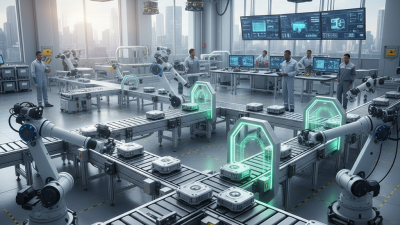
The Internet of Things (IoT) is transforming automation systems. By connecting devices, the IoT creates a seamless flow of information. This connectivity improves efficiency and productivity across various industries. For instance, factories equipped with IoT sensors can monitor machine performance in real-time. They can predict failures before they occur, minimizing downtime.
However, relying on IoT presents challenges. Data security is a significant concern. Vulnerabilities can expose critical systems to cyber threats. Many organizations struggle to find a balance between connectivity and security. Regular software updates and robust encryption are vital yet often overlooked. Also, the skills gap in managing these advanced technologies can hinder progress.
Integrating IoT into automation systems is not without its hurdles. Companies must invest in training and resources. Not all equipment may be compatible with new IoT solutions. Additionally, the cost of implementation can be daunting. Despite these challenges, the potential benefits far outweigh the risks, making the exploration of IoT in automation essential.
2026 Top Automation Systems Trends for Smart Technology Solutions
| Trend |
Description |
Impact on Automation |
IoT Role |
| AI Integration |
Combining AI with automation processes to enable predictive maintenance and autonomous decision-making. |
Enhances efficiency and reduces downtime in manufacturing. |
Collects real-time data for AI algorithms. |
| Robotics Automation |
Incorporation of advanced robotics in operational processes for improved accuracy and reliability. |
Increases throughput and reduces human error. |
IoT connects robotics to central systems for monitoring and control. |
| Edge Computing |
Processing data near the source, minimizing latency and bandwidth usage. |
Allows real-time analytics and quicker responses in automation systems. |
Facilitates immediate data collection and processing from IoT devices. |
| Augmented Reality (AR) |
Using AR for training, maintenance, and repair tasks in automated environments. |
Improves workforce efficiency and safety in complex automation setups. |
IoT devices provide real-time data to enhance AR experiences. |
| Cybersecurity Advances |
Improving security measures for automated systems against cyber threats. |
Protects sensitive data and maintains the integrity of automation operations. |
IoT devices need robust security protocols to function safely. |
Trends in Robotics and Automation for Various Industries
In 2026, robotics and automation are set to reshape industries dramatically. The healthcare sector is experiencing this change. Robotics helps in surgeries with precision. It reduces the risks involved for patients. However, dependency on machines raises some concerns. Errors, though rare, can have serious consequences.
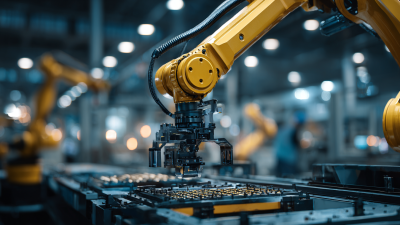
Manufacturing is another area benefiting from automation. Smart robots can work alongside human workers. They handle repetitive tasks efficiently. This boosts productivity and reduces costs. Yet, some workers fear job loss. Adaptation and reskilling are essential for these individuals. Companies must invest in training programs.
Agriculture is seeing innovative automation tools. Drones monitor crops and deliver inputs precisely. This technology enhances yield and resource use. However, the initial costs can be daunting. Small farmers might struggle to afford such advancements. Balancing technology and human labor is necessary for sustainable growth.
Cybersecurity Challenges in Automated Smart Technologies
As automation systems evolve, cybersecurity challenges become more pressing. Automated smart technologies underpin many industries, but they are vulnerable to cyber attacks. According to a report from Cybersecurity Ventures, cybercrime is expected to cost the world $10.5 trillion annually by 2025. This alarming figure highlights the urgent need for robust security measures in automated systems.
The integration of IoT devices expands security vulnerabilities. A report from Gartner indicates that by 2025, over 25 billion connected devices will be in use. Each device can serve as a potential entry point for hackers. Automated systems often lack adequate encryption, making them easy targets. Weak security protocols in real-time data processing and remote management amplify the risks.
Investing in advanced cybersecurity solutions is essential. Organizations must prioritize security in the design phase. Continuous monitoring and proactive threat detection can prevent breaches. However, many firms still fall short. A recent study revealed that 70% of organizations do not have a complete understanding of their security landscape. This gap can lead to heavy financial and reputational damage. Addressing these vulnerabilities is critical for the future of automated smart technologies.